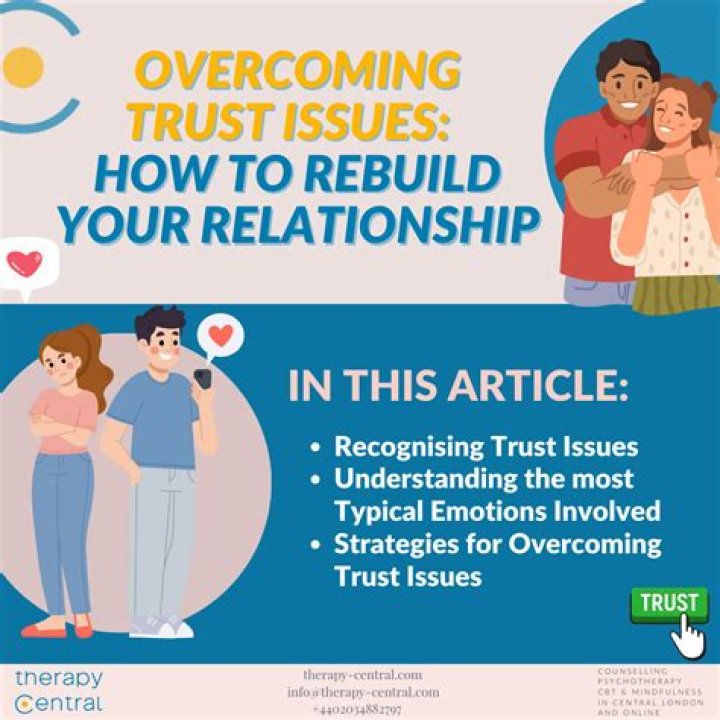
Being constantly worried about the state of your relationship is likely a feeling fueled by distrust. Even if you feel like your gut is telling you to be suspicious, therapists note that this emotional reaction itself can be dangerous.
"If our thoughts center around suspiciousness and thinking the worst of others, then we likely have trust issues," licensed marriage and family therapist Rev. Connie L. Habash, MA, tells Bustle. "It’s hard to see our relationships clearly when we’re always looking at them through a negative filter." If you're worried that these thoughts may be turning into a self-fulfilling prophecy, then therapy may help.
There are definitely times when it's worth it to be suspicious in relationships. There are, however, more likely many more times when difficult feelings and fears are causing suspicion, not genuine evidence. "Listen to your gut, but then reality check it with facts," Rev. Habash says. "[...] Give the other person or situation time to reveal whether they are worthy of your trust or not. And give yourself time and seek professional help if you realize that your negative thoughts are getting in the way of building healthy, trusting relationships.” Many people have to learn to trust their gut; it's OK that it doesn't come naturally for everyone.
Editor's Note: If you or someone you know is seeking help for mental health concerns, visit the National Alliance on Mental Health (NAMI) website, or call 1-800-950-NAMI(6264). For confidential treatment referrals, visit the Substance Abuse and Mental Health Services Administration (SAMHSA) website, or call the National Helpline at 1-800-662-HELP(4357). In an emergency, contact the National Suicide Prevention Lifeline at 1-800-273-TALK(8255) or call 911.