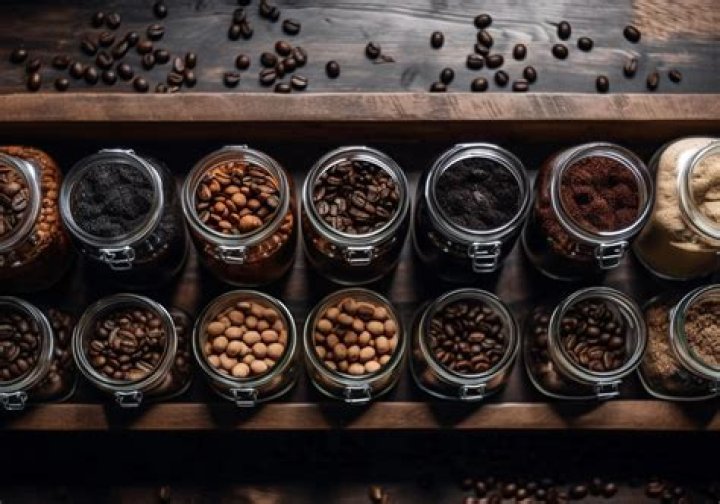
When it comes to coffee, surely, we have different tastes and preferences. I know you like to taste different types of beans, but you have that one kind or two that you really like. One might just like a specific type because he/she is not familiar with other varieties.
“So, How To Choose Coffee Beans Wisely- Revealed For You!
Now, let me give you an idea of the different coffee beans so you could make more flair on your coffee breaks. It’s also good to get familiar with these beans. When you go to coffee shops, you’ll see a lot of coffee mixing to prepare them with the prefect coffee maker, right?
By familiarizing the beans, you’ll have an idea on what types of coffee to order. In that way, you’ll enjoy more of your coffee because you’re quite sure of what beans your coffee are made and their possible taste.
Actually, I cannot recommend what you have to choose. Every type of coffee bean has its own taste, and choosing the bean is a matter of preference.
Now, let’s get started.
Fresh Roasted Coffee Bean
If you haven’t tried freshly roasted beans because you’re already good with stuff that you get from the supermarket, then I can say you’ve missed something which aroma cannot be compared. The richness of coffee diminishes after roasting. Normally, the freshness of roasted beans last up to 2 weeks, so if you buy something from the supermarket, the coffee’s intense flavor might already have gone. And the taste would be much different. So here’s a tip: check the roasted-on date and be sure to consume the coffee within a couple of weeks from that date.
Whole Coffee Bean
Whole beans are coffee beans which are not yet ground. These are freshly harvested and the flavor and freshness of such beans are of great taste.
Balance of Flavor
If you are going to describe a truly good coffee, it should contain a natural sweetness that you might taste on your every taste, a balance acids, and a satisfying mouthfeel that makes your every cup of great taste, without being bitter. So, what’s the tip? You look for roasters who are good at sourcing and are meticulous in their roasting.
Where the Beans Come From
Did you know that coffees are cultivated in tropical areas, and a lot of countries have been producing different varieties because of high demand in the market? Yes, so you have to check on where your favorite coffee beans come from. If you happen to experience a bad taste, look on where it come from and see to it not to buy again coffees come from the same country/region. There are countries who produce coffee just because of the demand in the market, but the quality of the coffee bean are poor due to unfit weather for growing coffee beans.
Roast Styles
How your coffee beans are roasted greatly affect the taste of your coffee. Too much roasting makes the bitterness of the bean awful which can be tasted when brewed.
Labels and Certifications
Usually, when we go to the shop, we tend to check the labels of all things we plan to buy. So, with these coffee beans. There are labels that indicate certifications from organizations saying that such brand is good, can be trusted, safe, and even some awards received because of their extraordinary taste and best of production. Looking at these labels will give you an idea how good these brands are.
| Recently Added | ||
| 0 Items | Total $ 0.00 | |
The item you just added is unavailable. Please select another product or variant.
The item you just added is unavailable. Please select another product or variant.
Most people demand two things from their coffee – that it gives them a boost and that it tastes the way they want.
Let’s talk about that boost first. Sometimes you want caffeine, sometimes you don’t. We carry both kinds, in a wide range of flavors.
So – what makes a coffee flavorful?
Three things create a great cup of coffee – the origin of the bean, the care and precision with which the bean is handled from seed to green bean and the way it is roasted.
Our local roaster has a world-class coffee plantation with exacting quality standards for both the cultivation, picking and handling of the green beans he grows as well as the others he sources from all over the world. As a result, only c onsistently shaped and sized green beans with smooth surface areas get to the roaster, which allows them to roast more evenly. Finally, he uses exacting roasting profiles to ensure a consistent roast every time.
Coffee origin – the terroir of where it is grown – also significantly impacts the flavor of the bean.
There are three major coffee-growing regions in the world: The Americas, Africa and Asia. Green beans from each of these locations have their own distinctive characteristics.
- Americas: these coffees vary from light to heavy body and have balanced notes of brightness (orange peel) , fruit (blackberry or black currant) and floral (orange blossom) .
- Africa: renowned for their lively and intense fruit notes of citrus orange peel, blackberry & blueberry.
- Asia (Indonesia): consisting of over 13,000 islands, Indonesia produces coffees with very full body, but very low acidity.
Precise roasting also ensures that a light, medium or dark roast does not hide the specific flavors from each region. For example, the medium roasting profile for our Costa Rican La Minita Viennese brings out the balanced notes of blackberry and floral with a note of dark molasses. A lighter roast profile coaxes out the orange peel and blueberry notes of our Ethiopian Yirgacheffe. We classify our coffees by the way they are roasted.
So – how do you choose? Many people are intensely loyal to one coffee flavor profile they love. We can guarantee you’ll consistently get that same flavor in every bag we deliver. But – if you feel like experimenting – you’ll be able to discover a whole new world of flavors – even in coffees you think you’ve tasted before.
You’ll taste the flavor and adventure in each cup.
Our Mission
The Cultured Cup’s mission is to:
- help you select the perfect tea, coffee or chocolate for your family, friends, restaurant or business
- learn and teach everything we can about beverage adventures
- nurture the culture and community of which they are part
© 2020 The Cultured Cup
Do you know how to choose coffee beans?
Coffee beans come from all over the world and are sold on various platforms, from gourmet shops to supermarkets. Picking the right bean will take time, but it’s going to be an adventure with sampling different beans from all over the world. I’d recommend tasting as many different beans as possible; you may be missing out on some great beans with unique flavors.
Firstly I would suggest that you think about what coffee you enjoy. What’s your first coffee of the day? Is it a smooth light blend to ease you slowly into your day? Or do you prefer a black espresso-style coffee to ignite your brain into action, on its own or with steamed milk for a cappuccino or Latte?
If you drink coffee at different times of the day, what do you choose? A stronger style or a smoother mellowing blend.
With these questions, the answers should begin to build a picture of your coffee drinking habits, but there are so many factors and with no right answer. You must also consider your mood during the day and if any the occasion, while many of us have the time to enjoy coffee, busier people may not, so that will also be an influence.
So having a collection of beans for various moods, occasions would serve you best, especially if you drink a more extensive range of coffee during the day.
Table of Contents
What Types of Beans are there?
Three types of coffee beans exist all over the world.
1. Arabica Beans
These are the most famous and highly-priced beans, grown in high altitudes and used by many of the finest coffee roasters. Arabica beans give coffee it’s aroma, smoothness, and body.
Arabica beans make up 75% of the world’s coffee production.
2. Robusta Beans
The Robusta Beans are used most in instant low priced commercial blends. Instant blends offer convenience but offer a lower grade in blend and roast.
3. Liberica Beans
Not widely known to the normal coffee drinker, the Liberica Bean grows on a large tree measuring up to 18 meters high. It is grown in Malaysia and West Africa.
The demand for the bean is low due to the beans’ flavor characteristics; it’s only traded in small quantities.
The Characteristics of The Arabica Bean
Beans are grown all over the world and depending on conditions such as temperature, humidity and soil qualities flavors can be different. The list below reveals the different tastes in beans from various countries.
High Flavour & Aroma
Jamaican Blue Mountain, due to its high price, produces excellent flavor and aroma. Columbian and Guatemalan would also be recommended due to possessing similar qualities.
Sweetness
For beans in this category, I’d recommend Haitian & Venezuelan beans.
Body & Richness
The Java & Sumatra Mandheling would be good examples.
Acidity
Beans from Costa Rica and Guatemala locations tend to be higher in acidity.
How to Pick the Best Coffee Bean?
Most importantly, the best beans will be freshly roasted. Always go to a source that advertises freshly roasted. If you are unsure if they are true to their word and if it’s a shop, go and visit them, if they seem busy and selling a lot of beans this will mean their inventory will have a high turnaround, good for fresh beans. Even better, some shops will roast the beans while you wait, great for grabbing some really fresh beans.
If you have the chance to see the beans you’re buying, take a good look and make sure they have a good appearance and importantly the smell, if it smells good, then it’ll taste good.
Supermarkets can offer some great beans, when buying supermarket beans look for beans that have been vacuum packed; this will ensure freshness from the moment they are sealed. Some packs will feature a sell-by date, check the date and make sure it isn’t over.
Online coffee bean stores also offer some great beans, but this is down to how often they roast their beans, make sure they give assurances on shipping freshly roasted beans.
That’s why we have reviewed some best coffee beans for espresso, I hope they will satisfy your desire.
Shopping for Beans? Try these:
- Supermarkets – Big range, make sure they are vacuum packed and in date.
- Coffee Houses – Can provide excellent beans that aren’t stocked in supermarkets.
- Online – Amazon can offer some great deals with unique beans on offer.
You can watch this video from My Cafe and JS Barista Training Center. They have given some awesome tips. Hope you’ll enjoy.
How to Choose Coffee Flavours
If you love to drink coffee, it is worth being a bit more adventurous and trying the flavors of ground coffee.
The beans taken from the coffee cherries are sometimes roasted and ground to produce easy to use coffee which can be used to make delicious drinks throughout the day. Coffee has increased in popularity over the years and is seen as a fashionable drink. It has stimulating effects thanks to the caffeine found naturally in the bean, and it can give you a kick to get you through your busy day.
Experiment with the Flavours of the Beans
Ground coffee is produced in different ways to make sure each pack delivers unique flavours. The beans are grown in different climates and locations which give the coffee a flavour its properties. Some of the words associated with ground coffee are rich, smooth, and dark, but this is just skimming the top as the world of flavours goes so much deeper. Here are only a few of the different types of ground coffee to help you choose which one to try next.
It’s all in the Blend
Africa, Latin America, and Indonesia are huge producers of coffee, and each one on their own is a popular choice to make when selecting your next cup. When you blend beans from these locations together, you can get something exceptional. A combination of these three can give you a smooth and velvet drink which has a slight chocolaty taste. If you are looking to impress your loved one, then serving this sensual coffee is highly recommended.
Brazilian beans mixed with Arabica beans can give you the perfect mug of coffee to sit back at the end of a hard day and relax. But if you want a bit of a lift, then an espresso will undoubtedly give you the lift that you need. The perfect espresso needs to be smooth yet creamy and give you delicious taste experiences over your taste buds.
One of the most delicious blends has the perfect balance brought by the Brazilian beans with Indonesian beans that deliver chocolate tones. These are then mixed with sweet Kenyan beans and the flavourful Ethiopian beans to produce an espresso of pure indulgence.
Give Something Back
If you are a world conscious buyer, it is always good to know that the farmers and workers that all go into making your ground coffee are paid well for their labour. There is a wide range of Fair-trade products that allow people to be paid well and also help to put something back into the local communities where the beans are grown. You can choose to have organic or decaffeinated and even go for pure indulgence with gourmet ground coffee.
Specialty coffee’s reputation for high quality stems from the region in which the plants grow, the specific coffee varietal and/or origin, as well as the process growers use to harvest and dry their beans. As a result, choosing a farm or set of coffee producers from which to buy your beans is an important decision for your cafe.
Recommended: Read our full, in-depth How to Start a Coffee Shop Business guides, inspired by coffee professionals, they will help make your coffee dreams real, from sourcing beans to hiring baristas, choosing the best POS system, forming an actual company, and everything in between.
- Home
- Coffee Shop Business
- How to Choose a Coffee Farm
Last Updated: 2020-03-24
Processing Methods
First, it is important to understand the process the coffee you are buying goes through before it becomes the green beans you will be roasting. The reason behind this is that each process informs the flavor of the coffee. Here is a breakdown of each process:
Natural Method
Only used in regions with low humidity and lots of sun exposure. The whole coffee cherries are harvested and laid to sun dry after being raked into a single layer. Once the cherries have reached an ideal moisture level (around 12%) the entire hull is removed bearing a fruitier coffee due to its prolonged exposure to the cherry.
Washed Method
Opposite to the natural method, washed coffees are processed by removing the fruit surrounding the coffee bean using fermentation. They are then mechanically dried or laid in a single layer to dry until they reach ideal moisture levels (about 11%) producing a coffee that adopts more of the flavors of the growing stages and soil rather than processing.
Pulped/Honey Method
A somewhat happy medium between the aforementioned processes, the honey method is also known as semi-washed. This is due to the partial removal of the coffee cherry before sun drying the bean with mucilage still attached, allowing the bean to adopt some of the fruit flavors of its fruit.
Selecting Your Source
Follow these steps to help you select the right farm-direct source for your business:
1. Choose Your Origin
Start by determining the origin or country from which you want to source your coffee. Keep in mind that coffees vary wildly from country to country due to soil fertility, altitude, local varietals, and common processing methods. If you want to buy a fruit-forward coffee, for example, you’re more likely to find it in Ethiopia than Mexico.
Here are two other factors to consider when selecting your preferred origin:
- Your desired order amount and frequency can help you determine the best origin for your business because you can’t source coffee from all countries year-round.
- Local regulations also may impact coffee sourcing from some countries. In Ethiopia, for example, the government does not allow you to source directly from its coffee farms in an effort to generate governmental revenue. You must therefore source Ethiopian coffee from an importer.
2. Choose Your Region
Coffee-producing countries usually contain several distinct growing regions defined by geography and climate. That means the coffee grown in each region can differ dramatically. Understanding each region’s typical flavor profile can help inform your selection. For more information, check out the detailed overviews of specific regions within our origin pages.
3. Research Regional Processing Methods
Part of choosing a region involves understanding which varietals farmers typically grow there and how they process their harvest. Arabica coffee, like any plant, includes varietals adapted to different regions, resulting in nuanced flavor profiles. Arabica varietals include:
Amarello
Blue Mountain
Bourbon
Catimor
Mundo Novo
Pache colis
Pache comum
Typica
In terms of processing, farmers across a specific region or country typically use the same coffee-processing methods due to climate and tradition. Because the processing method impacts a coffee’s flavor profile, it’s important to understand the three main processes — natural, washed, and honey — and choose accordingly.
4. Visit and Taste
After selecting your preferred origin and region, you’re ready to taste the coffee you hope to buy. Sampling coffee involves a process called “cupping,” which is the standard for professional coffee tasting. The best way to do this is to visit the farm(s) in question — many of which have access to facilities for “cupping” purposes. If you can’t visit your target farm(s), many importers have “cupping” facilities you can visit instead along with their own detailed tasting notes to give you an idea of a specific coffee’s flavor profile.
5. Find an Importer
Once you find a farm from which you wish to source coffee, you must decide how to ship the coffee to your roastery. Here are the two main options:
- Direct from a farm – While this can be a difficult process for new business owners given all of the required taxes and permits, it’s possible to source coffee directly from a farm in many countries. You’ll need to find an exporter operating in your farm’s region as well as an importer to finish the process and ship the beans to your roastery. Be sure to check with your farm’s local government to learn about specific requirements in that area.
- From an importer – Importers can make the sourcing process easier if they sell the coffee you want. Once you select an importer, you must then decide on the amount of coffee to order and set up a wholesale account.
Pro Tip: If you want to ensure you buy coffee from farmers who work under fair practices, research importers selling Fair Trade Certified TM coffees.
Visiting a Coffee Farm
If you plan on visiting a farm that you’re thinking of buying from, here are a few tips for you:
- Understand what you’re looking for. Farming of any kind is complicated work with many steps required to achieve the final product. Make sure you are aware of what you want to see while you are there, do your research about every step of the farming process before your arrival.
- If needed, hire a translator to aid in language barrier that may arise while you are communicating with your farmer to ensure a positive and helpful experience for you both.
- You are going to want to sample the coffees you have travelled to see, be sure to bring equipment for cupping and a simple manual brew method as well as a grinder.
- Be respectful and kind, these are potentially your future business partners. Therefore, respect and communication are key to developing a connection that will favor you both in your new business venture.
Choosing a coffee farm requires research, patience and effort to build a relationship with the people producing the most important item in your cafe, your coffee. For more information on how to source coffee from specific origins, read our guides to some of the most popular producing countries.
Introduction: Choosing Coffee Beans
If you are a pedestrian coffee drinker like I am, facing the decision of which beans to buy for home brewing can be daunting. There are too many brands and too many variables to make immediate sense of it all.
So I turned to my friends Joe Speicher & Mark Wickens of Ground to Grounds (), a rad online coffee publication, to come and help me get a handle on where to start when choosing the best (for me) coffee beens.
Step 1: Learn What You Like
There are only two types of commercial coffee beans available, Arabica and Robusta. Arabica is grown in high altitudes and is known for it’s smooth, slightly acidic taste. Robusta is grown in lower altitudes and is known for it’s stronger, more bitter taste. From what I understand Arabica is considered a higher grade bean, but that again depends on how it is grown and treated on it’s journey to the roaster, and doesn’t necessarily guarantee a quality product. (As an example, Maxwell House instant coffee is 100% Arabica. ) So unless you plan on becoming a connoisseur, I would suggest not worrying about the type of bean, and instead focus on finding a (local & ethical if possible) brand/roaster that looks after that for you and makes a quality bean that meets your caffeine content and taste bud needs.
How to determine what you like:
Taste
If you’re like me, you want that first coffee of the day to be consistently delicious. Finding that dream cup will take some trial and error.
Since most coffee drinkers have been to a Starbucks at least once, an easy place to start is for me to ask if you like their house coffees. If the answer is no, then you are most likely going to want to be on the look out for a light colored and dry bean (as pictured on left). This is going to offer you a smoother taste, with different levels of acidity depending on how it was roasted without that classic Starbucks dark, bitter bite. If your answer to my question is yes, then chances are you are going to like a bean that has been roasted longer, which brings more oils to the surface of the bean giving it a dark and shiny appearance (as pictured on right) and a bold, bitter taste. It’s worth figuring out that out to start and then you can delve into the subtleties within each of those groups to find ‘the one(s)’.
Caffeine Content
Contrary to common sense, dark roasts actually have less caffeine than medium or light roasts – light roasts having the most of all three. Espresso beans tend to be in the medium roast realm, so if you are looking to maximize your caffeine intake that way, go for a medium-light roast. Medium-dark will offer fewer high kicks.
Step 2: Ground Vs. Whole Bean
If you prefer to buy pre-ground beans, another way to tell the difference between the dark/oily beans and light/dry ones other than color, if they’re too close to tell by looking alone, is to test the consistency of the grounds. If when you tip the bag the grounds are sticking together and moving in crumbly clumps, then that’s the dark/oily bean (as pictured on left). If when tipped, the grounds all run smoothly downhill as sand would, then that’s the light/dry bean (that’s them on the right).
Without a doubt the freshest and best tasting coffee is going to come from beans that were ground only moments before being used (for either espresso or drip coffee), so buying whole beans is highly recommended. But whichever choice you make, try and make sure that what you’re getting is fresh. Fresh means that it hasn’t been on the shelf for more than a week before going home with you. I would recommend asking for the best selling bean to start your taste testing, as that will undoubtably be the most replenished = freshest!
I would like to thank Joe & Mark from Ground to Grounds () once again for giving me the seeds of info I needed to start making better decisions for my morning brew!
Now go forth, explore your local roasters, and find your favorite!
For my Instructable on How to Pack an Espresso Shot, click here!
Be the First to Share
Did you make this project? Share it with us!
Get a great fit for your room and your lifestyle by considering a coffee table’s size, features and aesthetics
A coffee table does a lot of work. It needs to hold books, magazines, drinks, food — even games on game night. You might want to put your feet up on it, or the kids might need a place for coloring. Plus it’s usually smack dab in the middle of the room, where you can’t miss it — so make sure it’s a good one.
Here are a few things to keep in mind when you’re picking a coffee table.
Before you choose a coffee table, first think about what you need it to do for you, or what your room is missing, then pick a table that provides the solution.
To see what size of coffee table will work best for your room, first mark its footprint with painters tape. That will allow you to see the scale of the piece in the room and how that affects the surrounding furniture.
If you have a very large room and a large coffee table, you can break up the scale of the table by flanking it with pairs of ottomans or benches, as in this example. When there’s a party, they can be moved out of the way for better circulation, but for everyday use these extra seats help connect the sofa at one end and the pair of chairs at the other end. Be sure to use a pair of ottomans — not just a single one.
When you have two sofas or any larger seating arrangement, a big coffee table might seem like the obvious solution. But also consider a pair of matching coffee tables. They will keep the focus off one large piece of furniture and let your eye move around the room more easily.
One classic coffee table size is 48 by 24 inches, so you can plan on that when thinking about your furniture arrangement. A large coffee table is often double that: 48 inches square.
A lip edge or tray top on a coffee table is always a smart choice if you have a tendency to spill your coffee or have kids that will be using the coffee table for snacks and drinks. They’re also good if you entertain often and don’t want to worry about red wine getting spilled on your carpet.
Coffee tables should be the same height as the surrounding seating, with 18 inches being a good average (although it will depend on your furniture). If you select a coffee table with a lip, make sure the lip isn’t higher than the adjacent seating, or you’ll end up hitting your drink against the lip when you try to set it down. The idea is to put your drink down, not up.
If you don’t want the coffee table to be the focus of the room, choose one with a glass top and a finish that blends with others in the room, as in this example. This will keep the eye interested in all the items in the room, not just one layer of the design.
Metal bases with glass tops are another good choice to keep rooms feeling open. They’re also great when you have a special rug and don’t want to block views of it. Keep your glass cleaner handy, though, as there is no way around fingerprints.
Keep in mind that with most glass tops — if they are not inset — you’ll see a green tint on the sides. You can order a speciality glass that doesn’t have this tint, but it’s more expensive.
Or perhaps you want your space to look cozier (and you need some storage). Stash baskets, trunks and old suitcases under simple legged coffee tables to ground spaces that are otherwise too open.
Go for color with an upholstered coffee table, as it will draw people to the surrounding sofas and chairs. Top it with a tray to hold books and other items (and to soften a bold color, such as the pink in this image).
Choose your fabric wisely, since people may want to put up their feet (and shoes). Outdoor fabrics can be smart; steer clear of linen and fabrics with high amounts of rayon or viscose.
Take a swatch home and test it out with dirt, red wine or whatever you think your coffee table will encounter, to make sure your fabric choice can handle it all.
Keep an upholstered ottoman 18 inches from a sofa or chair, so you can easily put up your feet, and make sure the height is consistent with the surrounding seats.
If you get a tufted ottoman, consider the depth of the tufts — especially if you expect to eat on it. Crumbs will find their way into the tufting and are not always easy to get out.
Round coffee tables aid circulation, especially where there are many available seats, as in this example. If not every seat can reach the table, make sure there’s another surface at hand.
Using a vintage object for a coffee table adds a bit of history — a story — to a room, and is one of my favorite things to do. Make sure the piece is stable and all the connections are secure. If you need to refinish the piece, ask the vendor precisely what it’s made from, as this will help in the refinishing process.
Another consideration is how it will sit on your floor or rug, and if it will damage those surfaces. Splintered table legs or rusty metal bases can scratch or stain the flooring. Secondhand stores sometimes leave those areas unrefinished, so be sure to check.
Sometimes a coffee table that isn’t the standard height or width is exactly what a room needs. In this instance, a very low coffee table creates a crisp horizontal plane in the foreground that showcases the white sofa against the room’s wall of picture windows in the background.
The best rule when buying a coffee table is to make sure the table works for your space as well as for your aesthetic.
Tell us: What do you look for in a great coffee table? Share your thoughts in the Comments.
by Ed McGuire Updated: March 13, 2020 7 min read
CLICK HERE to subscribe to our newsletter for exclusive promotions and regular updates on everything coffee!
What Makes a Good Coffee Grinder
Investing in a quality coffee grinders whether you’re brewing for espresso or drip style coffee is crucial to getting tasty results. Today, we’ll be listing what makes a good coffee grinder and how to choose one based on your lifestyle needs, so that you can be on your way to coffee and espresso nirvana.
The Complete Guide to Coffee Grinders
Burr Grinders
For now, we’ll only consider burr grinders. There are low-cost blade grinders available but you don’t want to use those for grinding coffee beans. Blade grinders hack coffee into random size particles ranging from dust to chunks. Brew from blade ground coffee and those dusty particles are over-extracted while the chunks are under-extracted. You end up with coffee that doesn’t taste good. Very unbalanced, it can be weak and bitter at the same time and result in dirty mucky cups.
What’s in a Burr?
On the other hand, burr grinders produce consistent particle sizes. Here’s a look at a burr set. Beans are fed into the center while one burr is spinning and the other is stationary. Ground coffee exits from between the burrs. The spacing between the burrs is adjusted to produce the desired grind size. More on that in a moment.
Are burr grinders better?
After reading a bit about burr grinders, you might be wondering if burrs grinders are better than blade grinders. We’re big fans of burrs grinders because of their ability to create consistent grind size no matter the brew method. They also reduce heat transfer when grinding the beans so there’s no loss of flavor of your coffee. So we always recommend people to go with burr grinders whenever possible to really get the best results for your coffee and espresso.
The Best Grind Sizes for Different Coffee Brewing Methods
Shape
Burrs come in different shapes, sizes and materials. For shapes, there are flat or conical types. Is one shape better than the other? Well, that’s hard to say and a debatable topic. What we can say is flat burrs may produce a more consistent particle size while conical burrs tend to grind faster. In general, we prefer flat burrs when grinding for espresso and conical burrs for brew methods like drip, press, and pour-over. Those brew methods use a larger grind size and don’t require super fine control of grind size for good results.
SSP Burrs: Upgrade Your Coffee Grinder
Burr size is measured in millimeters and ranges from around 40 millimeters for a lower cost but capable home-use grinders, up into the 60-millimeter range for prosumer level espresso focused grinders and into 80+ millimeters for high volume commercial rated grinders. In general larger burrs tend to produce a higher quality grind and do it faster.
Material
Burr material is usually steel or ceramic. There are even titanium coated burrs that’ll last a lifetime for most home users. Steel burrs are the most common. They are tough and do a fine job. If you’re grinding a lot they’re better at dissipating heat than ceramic burrs. Ceramic burrs stay sharp longer than steel but are more brittle so more susceptible to damage from foreign objects. Is one material better than the other? It’s debatable. Sure ceramics last longer but steel burrs are good for hundreds of pounds of grinding before needing replacement.
Stainless steel is a common material for burr construction.
In our opinion, any burr material is fine for a first grinder. If you’ll be grinding a lot of coffee I’d lean toward steel burrs for their better heat dissipation. And, we wouldn’t worry about ceramics being more susceptible to damage. I’ve ground a lot of beans through ceramics and never had a problem.
Features
Adjusting Grind
Dialing in a Eureka Atom is a piece of cake using the micrometric adjustment.
Next up grind size adjustment. There are two basic types stepped and stepless. On stepped grinders, there are definite stops for each grind size. Grinders with stepless adjustment have no stops so you can make extremely precise and essentially infinite grind size adjustments. The advice here; unless you are doing higher-end espresso on a prosumer level machine you don’t need stepless adjustment. Now you will find stepped grinders that can do espresso. They either focus their adjustment steps in the fine espresso grind range or have micro-adjustments that get you really close to the same level of control you’d have on a stepless grinder.
Motor Power
Some other considerations when choosing a grinder: Motor power. It’s rated in watts and ranges from about 100 to more than 400. More powerful motors give longer duty cycles. That is they can grind more coffee and they usually do it faster. Grinders with lower power motors often have duty cycles around ten percent meaning grind for 60 seconds and the grinder should then rest for about ten minutes before using again.
Build Quality
Ceado designs their grinders with suspended motors to reduce the amount of noise generated while grinding.
Then there’s build quality. As with most equipment, you get what you pay for. As you go up in price you get better quality. There’ll be more metal and fewer or no plastic parts in more expensive grinders.
Beyond that, we get into how the grinder is used. Things like timed or weight-based grinding that’s programmable. How grind size is adjusted; For that, options run from turning a bean hopper, sliding controls, levers, turning collars and more. How grinding starts; there are push buttons, portafilter activated switches, and there are more options like how grinds are dispensed. They can go into a grinds bins, directly into a portafilter. Some grinders can do both and for espresso, there are dosing grinders which grind into a hopper and then send a measured amount into a portafilter with a pull of a dosing lever.
So now that you know a little more about coffee grinders here are our beginner level recommendations depending on the brew method.
Coffee and Espresso Grinder Recommendations
For drip, press and pour over which use a medium grind check out the Capresso Infinity, Baratza Virtuoso+, and the ROK Manual. The Infinity has been around for years. It’s affordable and does a nice job. It’s not fast and some may find it a little plasticky, but it gets the job done and is still one of our top picks for users on a budget.
I find myself often explaining to my fiancee why different aspects of coffee matter, and how, before I even open the bag, I can tell if a coffee will be good or not. Here’s how.
Preamble
One fine day my fiancee called me a snob for not wanting to try a new coffee. To her mind, I was being closed minded and arrogant for thinking that I knew everything about the beans. In the end, I caved and tried the coffee. But to prove my point I did a blind, side-by-side comparison of the un-named coffee and a Blue Bottle ABS Finca La Florida SO. I was vindicated, but it got me thinking, how can you figure out if a coffee is good without trying it? The truth is, you can’t. But there are definitely some indications that a coffee has the potential to be good. Here are the things to look for:
What to look for in a good bag
1. A respected roaster- The chances are, that if you are buying coffee from a roaster you respect, then you are probably getting a high quality product. The coffee may not be to your taste, exactly (for example, I usually don’t care for Indonesian coffees) but it should be relatively free of flaws. This is the single easiest way to ensure you’re buying a decent cup.
2. Roast date- Buy fresh coffee. Even more importantly, make sure that the package has the roast date labelled on it. I’ve had people try to tell me that roast date doesn’t matter. When you hear that, turn around and leave, the chances aren’t good that you’ll get a cup worth remembering.
3. Whole Beans- I understand that not everybody has a grinder at home. Ideally, if this is the case, you should buy the whole bean bag, and then have the cafe, or supermarket or whatever grind it for you. If the packaging says “Ground” you’re barking up the wrong tree. Coffee that is manufactured and ground right then and there may offer an okay cup, but it shows a lack of understanding about how truly exceptional coffee needs to be treated.
4. Terroir and Farm- Most coffee snobs have a preference for a region when it comes to coffee, but that isn’t what this is about. If you only ever stuck to your wheel-house you would never get to try some of the amazing coffees that exist in the world. Check the packaging, and lacking that, ask the barista about the sourcing for the beans. If the barista doesn’t know, and the package doesn’t say, you are more likely to get an indifferently sourced coffee. Simply having the country, however is not enough. Because of the way that coffee is traditionally (i.e. not Direct Trade) sourced, country of origin alone will tell you little about the beans. Look for some indication of the farm, region or co-op the beans are from. Even better, look for some marking as to the wash and drying process. Attention to details like this on the part of the roaster are essential for a truly good cup. Even if you are buying a blend, which often won’t have as much information about source, a good roaster will give some indications as to where the component coffees come from.
5. Cupping notes- These will at least let you know that the roaster has tried their coffee. If there are notes like “Pipe tobacco” or “tar” you may be looking at a nice way of saying “we roast the crap out of our poor beans or we buy muddy beans in the first place.” That isn’t always the case; sometimes a coffee is bold and earthy and isn’t a bad thing.
What to avoid:
1. 100% Coffee- You would hope it would be. This is a way of saying “we don’t know what’s in here”
2. Robusto- For the most part, any coffee bragging of being a robusto is assuming ignorance on your part.
3. 100% Arabica- This is much more common. It is true that all the best coffees in the world come from this pant-leg as it were of the bifurcated species of coffee. But not all Arabica are created equally. You should look instead for a mention of varietal. Not all coffees will have it, but if they do, you’re more likely to get a better cup. The varietal itself doesn’t guarantee quality, but attention to details such as varietal imply a level of attention necessary for good beans.
4. Meaningless labeling- If a coffee is talking about the “joy of a simple cup” or the “fine tradition of Costa Rican coffee growing” they are wasting space where they could have been giving you information on what you’re drinking. Often, this is due to a lack of knowledge on the roaster’s part. Packaging should be informative, not trying to evoke a feeling. That is what the beans inside are for.
I can’t guarantee that if you follow there guidelines you’ll love all the coffee you ever buy, but you’ll certainly be more likely to. Cheers and good hunting.
Are you a coffee lover? The one who tends to take more than 2 cups of coffee a day? Someone who likes to experiment the mixing of coffee? If you are, then maybe you should own a coffee grinder too along with your coffee maker.
Coffee beans are not brewed directly. You have to bust them up in order for its great taste to come out when you finally make your coffee. That’s why you need a grinder. Although there are lots of ground coffee beans out there, it’s still best that you know how to grind ones. Grinding coffee could be a good start in experimenting your coffee mix and blending them.
Here’s what: You can buy coffee grinders anywhere in the appliance and department stores. But not all of them provides good performance in grinding your beans, so we cover the fact on How to Choose Coffee Grinder exactly as a resource. Below are some things you need to look into when choosing a good coffee grinder:
Performing the coffee bean grinding does in 2 ways with the;
• Burr Coffee Grinder
• Blade Coffee Grinder
On the basis of types of bean grinders are two;
• Automatic Coffee Grinder
• Manual Coffee Grinder
What else to check out? Just keep running your eyes below:
- Consistency in Grinding . Choose a grinder that provides the same grind very time you use it. If you use blade grinders, there should not be chunks left in the grinder
- Versatile . If you have enough budget, you can choose a grinder that allows you to grind in different types such as for Turkish and espresso brews, coarser grinds for drip and French press such as Burr Grinder. Unlike Blade grinder with only a few and basic options. Burr Grinder allows you to grind for various coffee mixing and blending.
- Easy To Clean . Choose grinders which are designed to be easily wiped with cloth or damp. It’s more convenient to clean than those that require maneuvering a brush. It is also important that the burr in burr grinders are easy to clean. Be careful in using soap to avoid soapy aftertaste.
- I n the case of Blade Grinders, see to it that the grinder’s lid is also a ground-coffee receptacle.
- Quiet Operation . There are grinders that produce annoying sounds when they grind. But if you can tolerate such noise, you can choose these kinds. But many still prefer those with quiet operation.
- Durable . Look into grinders which are stainless steel in construction as well as with all-metal drive train. These kinds surely are durable and would last longer than other types.
But hey! Before you click and place and order your best coffee grinder, you should know well the grinders you are eyeing:
- If you are that person who simply drinks coffee without any hassle, then go for a Blade Grinder. But if you’re not just a plain coffee lover who loves to blend, mix, and make every cup of coffee an exciting day, then go for a burr grinder. Ooops! Burr Grinder is a bit steeper in price, so make sure you have the enough budget.
- But if you own a coffee shop or a restaurant may be, then you should own both Blade and Burr Grinders. Surely, you have customers with different preferences in coffee and I know you don’t want to frustrate them.
- Think about the price. You should be wise when choosing a grinder. There are cheaper grinders with good performances in grinding coffee beans. You should make a good research or read great and honest reviews online.
It’s time to decide smoothly, it’s high time to get the most desired portable coffee grinder!!
Coffee has been a part of our lives since a long long time. A 9th century goat-herder of Ethiopia is said to have discovered coffee beans in a pretty dramatic way and since then it’s been a worldwide favourite.
Whatever good equipment you manage to buy to make coffee, nothing can compensate for low quality or stale coffee beans. They say choosing high quality coffee is like choosing wine.
A few basic considerations are vital to experience good coffee:
Know your preferred bean type
There are broadly two kinds of commercial coffee beans in the market, Arabica and Robusta.
The higher you go in altitude, the more sweet and acidic coffee you get. Arabica is farmed in higher altitudes and is well known for its smooth and a bit acidic taste. They are deep green before roasting and slightly larger in size to boot.
Robusta is produced in lower altitudes and is perceived as stronger and more bitter. They are pale green in colour with a brown tint.
While Robusta beans are easier to grow, Arabica beans give a much finer brew with milder, more aromatic and less bitter flavour than Robusta beans. Consequently, Arabica blends seem to be more richer and luxurious in every sense of the word while Robusta is economical and provides a stronger flavour.
Knowing the distinction between the two beans will make it easier to choose the beans whose attributes meet your taste expectations.
Origin influences taste
Just like wine, the geographic region where beans have been grown also has a distinct effect on the taste and aroma of coffee. It also depends on the soil, altitude and farming methods of every individual grower. Other factors that may also affect the taste include if they were shade-grown or organic and how the beans were processed.
Familiarizing yourself from where the kind of coffee beans you love come from, makes it easier for you to purchase them when there are so many options in the store.
There are basically 3 regions where the finest coffee beans are grown and each of these places offer a distinct taste.
- Latin America: This region includes Central and South America, the Caribbean, Columbia, Costa Rica, Panama, and Mexico. They are usually light body and well-balanced, acidic and with good fruity undertones . To bring down their bitterness, they are best if roasted mild to medium. This region also includes brazilian coffees that are mostly robusta beans and tend to have a heavy mouth-feel, often with chocolatey overtones, and they are better if roasted dark vs light roast.
- Africa/Arabia: This region includes the countries in the continent of Africa(prominently Ethiopia and Kenya), the Middle-East and Arabian regions. Coffee here tends to have a medium body and with syrupy acidity with usually strong hints of strawberry or blueberry. Some people even find them to be tropical, with a black-currant character and occasionally even a tomato-like acidity. A dark roast is recommended for this region.
- Indonesia and the Pacific Island Region: This region includes Asia, Indonesia and surrounding Pacific Islands. Coffees from here have a dark rich or smoky flavour with a prominent aftertaste hinting of unsweetened cocoa. They are less acidic and bolder. To preserve its smooth undertones, they are best if roasted medium-dark to dark.
Freshness
Buying freshly roasted coffee is very important. Before purchasing your beans, make sure you know the roast date so you have an idea of how many days you have to consume it. If you have a coffee grinder in your house, go for the whole bean bag and grind them just before you are going to brew. Avoid coffee that is packed as ground and opt for whole beans always as coffee tends to lose its flavor within 30 minutes of being ground.
The type of roast
Roasting turns green beans into coffee. Making yourself familiar with the roasts available can help you predict the flavor of coffee beans you are about to brew.
Along with species and origin of beans, the kind of roast is heavily responsible for determining the aroma, acidity, flavor and caffeine content of your chosen bean.
Contradicting to common sense, the darker the roast, the lesser is its caffeine content!
Here is a brief outline of the roasts available:
A great coffee experience, at the most basic level, is quite simple: make it hot, strong, and delicious. However, we have found that coffee is an astonishingly complex beverage. The total number of different aromatic compounds found in coffee is still not completely known, but the current estimate stands at more than 800, and it’s increasing every year. This would suggest that the possible flavor variations in your cup are essentially infinite. For some, choosing a coffee can seem quite daunting. If you approach the task with curiosity and an open mind, it can also be a continuous journey of discovery.
The basic components of coffee are Aroma (how it smells), Brightness (the presence of a high, sharp citrus element), Flavor (how it tastes), and Body (how it sits, or how heavy it feels, in your mouth). Then there are the distinctive flavors individual to the particular region, soil, climate, etc: eastern African coffees may express an almost tea-like quality, combined with a tart cherry note. Our Papua New Guinea, meanwhile, is full bodied with an earthy sweetness that is unique to that part of South-east Asia.
There are also specific flavors elicited based on processing methods that might have a bearing on which coffee you’d enjoy. For example, a natural processed Sidamo from Ethiopia will inherently contain earthy, blueberry notes due to the fact that the coffee bean is sun-dried while still inside the cherry. A washed Guatemala, by contrast, will contain cleaner, brighter notes and a more balanced, chocolatey body, because of the amount of water used in processing.
Finally, different roast levels can accentuate all these characteristics, and will have a strong influence over how the coffee eventually tastes in your cup. In simple terms, a lighter roast will bring out more of the unique flavor components of a coffee and will also generally be brighter than a darker roast. A darker roast will reveal more roastiness and sweet sugar flavors. Very dark coffees, such as an Italian roast, tend to be very oily and can often verge on the singed flavors reminiscent of burnt sugar, or charred meat on a grill.
At Mighty Good, we roast to bring out the unique flavor profiles of all our single origin coffees, while our signature blends tend towards the darker side. As a rule, we never roast our coffee to a level so dark that the taste would be affected, or just to make a dark coffee for the sake of it. Instead, we carefully examine each individual coffee and assess the characteristics we wish to highlight. Only then do we offer it for sale through our website, Bean Shop, and local grocery stores and partner restaurants.
To view our coffees, please visit our shop.