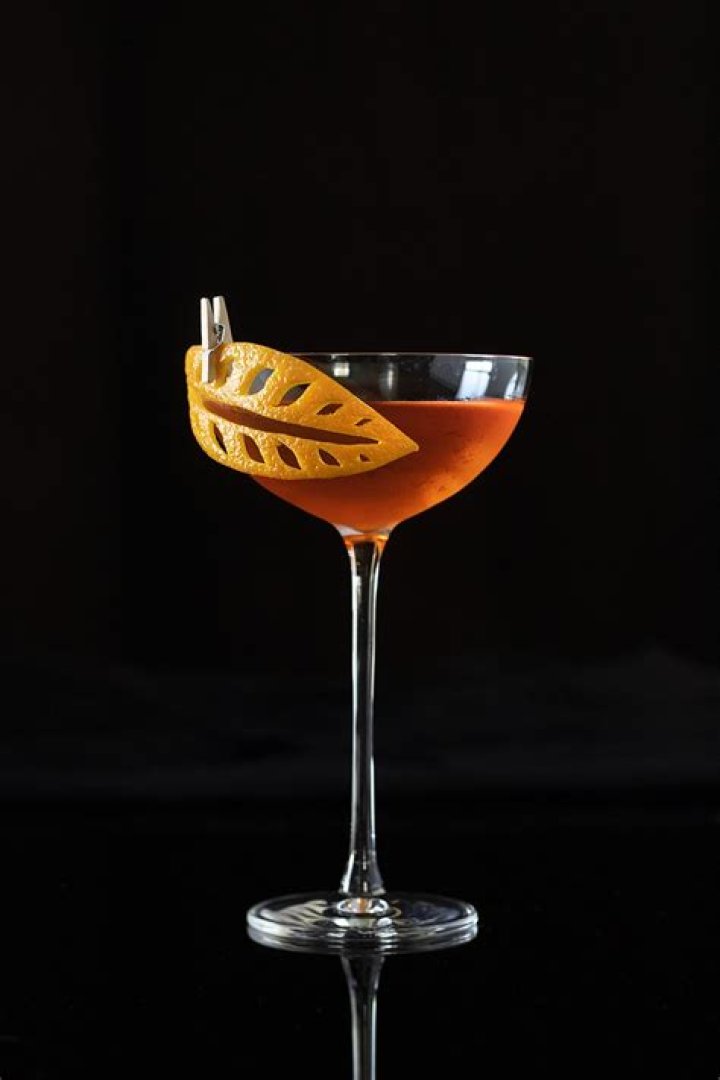
Decorate drinks with lemons, limes, and oranges
A Garnish Is the Perfect Finishing Touch for a Great Cocktail
Learning how to cut citrus garnishes is essential to any good bartender’s skill set. These can be used in almost every cocktail you will create behind the bar, from fancy twists for martinis to a simple lime wedge for your beer. The best part is that all of these garnishes are easy to cut.
Even if you are not a professional bartender, cutting basic garnishes is a good skill to have. This is the finishing touch that will set your cocktail presentation apart from others, and it is not all about looks.
Many times, lemon, lime, and orange garnishes are used to add an extra hint of citrus to a cocktail. For some drinks, the essences of an orange twist are expressed over the drink (you can even flame it). In other instances, such as the gin & tonic, a fruit slice allows the drinker to add a hint of citrus whenever they like.
Choosing the Right Garnish
Most cocktail recipes will recommend the type of citrus fruit to use. If it does not, simply choose one that complements the drink.
- If your drink is a short, martini-style cocktail with lemon juice like the lemon drop martini, you may want to use a delicate lemon twist.
- If you are garnishing an orange juice highball such as the screwdriver, a large slice of orange would likely be best.
- For a jungle bird cocktail, you’ll use a pineapple wedge and a few leaves along with a cherry to create a “jungle bird” adornment for the glass.
Think about the drink’s ingredients as well as the color of the garnish and how that would complement the visual appeal and taste of the drink.
When it comes to making cocktails at home, garnishes are often overlooked, skimped on, or simply skipped altogether. But cocktail garnishes should never be an afterthought, because they contribute far more than just decoration to a drink. Cocktail cherries add a slight fruity nuance to a Manhattan or an old-fashioned. And it wouldn’t be a mint julep without the effusively aromatic and flavorful mint sprig garnish.
Cocktail cherries. (Courtesy of America’s Test Kitchen)
Rimming the outside of a serving glass with salt or sugar is an easy and attractive way to intensify the flavor of a cocktail through garnishing. Citrus rim salt tempers the sweetness of a frozen margarita, and we love our sidecars with a classic sugared rim.
Countless cocktails use citrus zest as a garnish, in one shape or another. Citrus zest is a tool for expressing citrus oil into a cocktail, adding the finishing touch of flavor, aroma, and texture. When we want the lightest touch (as in our Aviation, where we don’t want to overwhelm the delicate floral flavor), we create a narrow coil, simply twisting the zest into a curl over the glass before dropping it in or perching it on the rim. For a stronger burst of bright aroma and flavor, as in our Bichon Frisé, we use a wider strip of peel and pinch it over the top of the drink to express the citrus oils before rubbing the outer edge of the glass with the peel and then dropping it right into the drink.
How to Rim a Glass With Salt (or Sugar)
Moisten about 1/2 inch of glass rim by running citrus wedge around outer edge, or by dipping edge of glass in small saucer of water; dry any excess liquid with paper towel. If you prefer, moisten only portion of glass so that you can enjoy cocktail both with and without garnish.
Spread 1/4 cup kosher salt or sugar (for up to four glasses) into even layer on small saucer, then roll moistened rim in salt or sugar to coat. Remove any excess granules that fall into glass.
Garnishing with citrus peel. (Courtesy of America’s Test Kitchen)
How to Garnish With Citrus Zest
To make citrus zest twist, use channel knife to remove 3- to 4-inch strand, working around circumference of citrus in spiral pattern to ensure continuous piece.
To garnish with citrus twist, curl strand tightly to establish uniform twist, then place in cocktail or on edge of glass.
To make citrus zest peel, use Y-shaped vegetable peeler to remove 2- to 3-inch strip, working from pole to pole and avoiding as much white pitch as possible.
To garnish with citrus peel, hold strip horizontal, pith side facing you, near surface of cocktail, with index finger and thumb of each hand. Pinch zest to express oils onto cocktail. Rub outer edge of glass with peel, then place in cocktail.
Excerpted with permission from “How to Cocktail: Recipes and Techniques for Building the Best Drinks” by America’s Test Kitchen. Published by America’s Test Kitchen.
‘How to Cocktail: Recipes and Techniques for Building the Best Drinks’ by America’s Test Kitchen (America’s Test Kitchen, $24.99).
M inimalism is in when it comes to cocktails, at least in the rest of the world where they may like to serve up your drink in the choicest of crystal. But when it comes to the dressing up department, they display a strange lethargy –В a few squeezes of the lemon does better than those bothersome, perfectly executed long twists.
After all, reasonable people point out this approach is infinitely more refreshing than tacky umbrellas or toothpick poles of canned fruit — besides being more nutritious.
But not everyone in the world is reasonable and I, for one, have a problem with such a rationale.
First, we don’t exactly depend on our vitamin C from the three drops squeezed into our Bloody Marys.
Second, I am not condoning cheesy pina coladas but, with or without the umbrellas, the fact remains that a dressed up cocktail is much better bet any day. For don’t we first drink with our eyes?
Luckily, if you do, like me, place a premium on looks, there are a number of interesting — and stylish — things you can do to the routine cocktail. In a world made tacky by plastic swizzle sticks and straws, the first thing I’d recommend is to get back to basics — or classics, in this case.
Food consultant Sonia Mohindra recalls how, in the good old days, “we were all taught to put a celery stick in a Bloody Mary.”
The classic approach remains classy and is back in vogue internationally too. So if you want to be safe, the simplest way is to stick to the classic garnishes recommended with each classic cocktail (think olive for a Martini, lemon twists for a clear, citrus drink, wheels and half wheels in punch bowls).
The lemon wedge is the simplest of the classic garnishes. Even if you do nothing else, stick it to the rim of a drink that you think will benefit from the extra flavour, say, a simple gin and tonic. The wedge can be conveniently squeezed into the drink.
While on wheels, avoid slicing either too thinly or too thickly — just under a quarter inch is good for large wheels. The twist is more difficult to accomplish. In most bars the length would be about one or two inches but longer, thinner ones are definitely prettier provided you can get them right.
If you want to be more innovative, however, just let your imagination run. Only take into account the flavour and colour of the drink you are serving. Needless to say, a garnish should not be overpowering but must complement the cocktail.
Bhudan at the bar at Shalom, the New Delhi lounge where I have had some of the best mojitos imaginable, has some interesting ideas.
He recommends using thin carrot sticks instead of the swizzle stick for drinks with a fruity/ vegetable flavour (He himself uses this for a summer cooler, a cucumber-guava juice-vodka concoction spiced with chaat masala!). Or use a lemon grass stick in strong tall cocktails like a Long Island Ice Tea.
A sprig of basil can rev up the old Bloody Mary, particularly if you are using guava juice instead of tomato, Bhudan vouches.
Another easy and trendy way to do something different is to use frozen fruit bits in a clear drink. While fruits such as black grapes, kiwis and star fruit (the last recommended in a dry Martini, if you were wondering) are the toast of the cocktail circuit, an interesting garnish would be to freeze bits of these in water in an ice tray and then use them to garnish clear drinks with milder flavours.
Similarly, frozen cubes of fruit juice or pulp could be smashed into a drink to complement the flavours. For creamier drinks, instead of the usual pineapple, use chocolate flakes.
Waiting to get started? Stock up on a good paring knife (a sharp knife makes all the difference in the world), a chopping board, the mandatory toothpicks and/ or wooden skewers plus the ingredients. Whether it is fancy cocktail onions and stuffed olives or the usual cherries and pineapple, whatever you put into that drink, make sure to add a dash of imagination.
Garnishes, those little decorations that add color or flavor to a drink, can make or break a cocktail in your bar. What’s a Bloody Mary without a crisp and cool celery spear? Or a gin and tonic without a lime or three? In some cases the garnish defines the cocktail (the difference between a Gibson and a martini is the cocktail onion, after all).
The most important point to remember about your garnishes is that they should be fresh and clean. Use your imagination to decide what garnish you put with what drink, but always consider price and freshness.
It may be a great idea to garnish every Bloody Mary with a skewer of marinated vegetables and deli meats, like a little antipasto on a stick. But if the cost of the garnish eats into your profit margin, you can’t serve it for long!
How to use citrus fruit as garnishes
Citrus fruits can garnish anything from a Long Island iced tea to a wheat beer. Here are a few common cuts of many of your favorite citrus fruits and how to use them:
Wedges: A wedge is a section of a citrus fruit, usually one-eighth of the fruit, sliced lengthwise. Here are the basic steps to create wedges:
Slice the fruit in half the long way.
If you commonly hang your wedges on the edge of a glass, go ahead and cut a notch in them now. Make a small cut the short way across the inside of each half at this point. Make sure you don’t completely cut through the fruit’s peel or you’ll cut the wedges in half, rather than notching them.
Lay the cut halves down (peel side up) and halve them the long way again.
Cut each of those halves the long way to create eight wedges total.
Wheels: A wheel is a full circle of fruit, placed on the edge of a glass. You make wheels simply by cutting the ends off the citrus fruit, and then slicing the fruit the short way to the desired thickness. Make a cut from the middle of the fruit slice to one side to create a slit to hang the fruit on the rim of the glass.
Squeezes: A squeeze is very similar to a wedge, but smaller. In fact, it’s half the size. Make wedges, and then cut those wedges in half the short way. Rather than hanging on the side of a glass, a squeeze is squeezed into the cocktail by the bartender, and then dropped in the drink.
Twists: A twist is a small piece of the peel of a citrus fruit. Here are the basics:
Cut off both ends of the fruit.
Insert a sharp knife or spoon between the rind and the meat of the fruit and carefully separate them.
Cut the rind into strips.
Other must-have garnishes
To make a perfect cocktail, you must have the perfect garnish. Many garnishes are traditional, but innovative barkeeps can use their creativity to exceed the patron’s expectation. Add the ribbon on the package; it always helps to garnish your cocktail because it upgrades the appearance and makes for a complete presentation.
Here’s our list of other basic garnishes and how you can use them:
Flags: A flag is a maraschino cherry wrapped in an orange slice and then stabbed with a sword to hold it all together. Use flags to garnish things like Amaretto Sours.
Olives and olive juice: Olives are the traditional garnish for martinis. Add a little olive juice to make a martini “dirty.”
Celery: It’s a garnish and stir stick in one! Use these to garnish Bloody Marys and the host of related drinks like Bloody Bulls, Bloody Caesars, and so on.
Onions: This garnish is the differentiating factor between a martini and a Gibson.
Mint: Whether you muddle it for a Mojito or use it to top off a Razzberry Lemonade, this herb is becoming a must-have for many bars.
Cherries: When all else fails, toss a cherry in it.
Strawberries: Notch these superfoods and hang them on the edge of anything fruity.
Rimming: Why, when, and how to do it
Rimming is coating the rim of a glass with a granular or crumb-like substance as a garnish. It adds a decorative touch that improves the presentation of the cocktail and complements its flavor. The most basic example of rimming is using salt on the rim of a margarita.
Bartenders are becoming much more creative with rimming choices (using goodies like cocoa, graham-cracker crumbs, or shaved coconut), but the most common rimmers are sugar and kosher salt. Prime cocktail candidates for rimming include margaritas and martinis, but that’s not an absolute rule.
You can used toasted coconut to grace the rim of a piña colada, salt on a Bloody Mary or Salty Dog, or superfine sugar on the edge of a screwdriver. Your imagination is your only limitation.
Here are the basic steps for rimming a glass:
Moisten the rim of the glass.
Choose a complementary flavor to enhance the cocktail. Many people choose a lime wedge or triple sec to rim a margarita, or Kahlua to rim a chocolate martini, for example.
Dip the moistened rim into whatever you want to coat the glass with. Gently turn the glass as you coat it to ensure you coat it evenly.
Indulging in a strong, tropical cocktail is the ultimate form of escapism, whether you’re enjoying it at an authentic Tiki bar or making drinks for friends at home. Tiki garnishes are known for being elaborate and often over-the-top, which is one of the reasons these drinks are so fun to serve. To learn more about how to master the Tiki garnish, we chatted with bartenders Brian Evans and Yael Vengroff. Evans is the bar director at Sunday Hospitality and the brains behind one of our favorite summer pop-ups, Yaki Tiki. Vengroff oversees the beverage programs at Los Angeles favorites Winsome, Genghis Cohen, and The Spare Room, the latter of which hosts a yearly event called Evening of Tiki where guest bartenders team with Vengroff to serve their most over-the-top tropical creations. We chatted with both bartenders to get some expert tips on how to become a Tiki garnish master in your own right.
Transform Fruit Scraps Into Elaborate Garnishes
Bar waste is a real problem. For example, most establishments use citrus juice, but then toss the rest of the fruit if they have no use for the peel. But tiki drinks can benefit greatly from these so called scraps. “I like to utilize lime shells,” Vengroff says. “The shells can be used as boats to hold either floating booze (like in a Dark and Stormy), or [you can] add a sugar cube in the lime shell and set the shell on fire.”
Alex Kikis
While a pineapple slice perched on the rim of a glass is a no-brainer, Evans also makes use of the fronds and skin. “I really enjoy cutting the skin off in strips and lining the opening of a tiki mug to look like a collar — just make sure to clean the yeasts off of the skin first!” he says. “Also, pineapple slices work tremendously well and [are] visually striking when dehydrated as a garnish, then flame-torched to order.” On a recent Yaki Tiki visit, Evans garnished a frozen shochu drink with a fan of pineapple skin and fronds that looked like a mohawk of sorts.
Make Your Garnishes Come Alive
You’ve likely seen a banana dolphin balanced on the rim of a tiki drink, whether it was in a photo or in-person. Turning a garnish into a cute, edible character is always a fun way to serve a tropical drink, and it makes the libation extra photogenic. “One of the most recent and funny items I garnished a cocktail [with] was fresh passionfruit,” Vengroff says. “I sliced the passionfruit open halfway horizontally so it looked like Pacman with a mouth, and then scooped the insides of the passionfruit out and put googly eyes on it. It’s all about being fun and playful.”
Don’t Forget the Inedible Garnishes
We love it when our tiki drink comes with a snack, but the inedible garnishes are just as important. Branded stirring sticks used to be everywhere, and many people collected them as souvenirs to use at their home bars. While not every bar has jumped back on this bandwagon, some of our favorite tiki bars — like Pittsburgh’s Hidden Harbor with their branded sharks — are creating signature garnishes for their drinks. When you come across one, make sure to take it home, as it’s a great way to tell a story while you’re garnishing tiki drinks for friends.
Alex Kikis
Cool cocktail picks are always a good garnish choice, as are those little colorful mermaids you can perch on the edge of the glass. At Yaki Tiki, a drink called the Blue Kawaii — a tasty mix of rum, blue curacao, mango, coconut, rice vinegar, yuzu and lime — is garnished with a tiny Japanese flag. Not only does it look awesome, but it nods to the origin of the ingredients featured in the drink.
Tiki Garnishes Should Transport the Drinker
Tiki is all about escapism. The movement was born in the Depression Era, but it gained mainstream popularity following WWII as servicemen returned home from the South Pacific with tropical shirts in tow. Things like plastic mermaids and elaborate fruit skewers certainly fit the bill, but simple garnishes that are thoughtfully done can have just as much of an impact. “It’s safe to say that it soothes guests’ expectations with the ‘more is more’ approach to decorating a drink, but even simpler garnishes like a lime wedge carved with a fruit zester or an edible flower can really achieve that wonderful ‘island get-away’ escapism,” Evans says.
When Garnishing a Drink, Put on a Show
Sitting at the bar is always a more exciting experience than a table because you get to watch the bartenders in action. This is especially true at a tiki establishment because so much goes into making each cocktail. And according to Evans, this display of showmanship can be part of the garnish experience. “I don’t necessarily have a formula in mind when designing a cocktail, but I do tend to geek out on the process and delivery,” he says. “It truly adds depth to the guest experience when they watch you strategically stack garnishes like a game of Jenga or light various garnish components on fire.”
Tiki Selects
Don’t hide in the kitchen when you’re entertaining and making tiki drinks for friends. Instead, set up your bar in a way that you can socialize and mix at the same time. That way, your guests will see the time and skill that goes into making and garnishing a drink, which will make the libation taste all the more special.
More is More, But Simplicity Works, Too
When it comes to tiki garnishes, there’s truly no right and wrong. In fact, it’s one time when the mantra “more is more” actually works quite well. But you don’t have to garnish a drink in a completely over-the-top way for it to be tiki. “You can also garnish something lightly, and it will still be beautiful,” Vengroff says. “I like to look at the color of the drink, what style it is and what glass it’s going in, and then make a decision based on that.”
Tiki Selects
Pay attention to the glassware, color of the cocktail, and ice used in the drink. For example, a tall, thin Collins glass will become top-heavy if your garnishes aren’t proportional. “Thinner garnishes are always better,” Vengroff says. “I hate to see big chunky pineapples and watermelons. But pay attention to your glassware because if you have a big chunky glass, then maybe a chunky piece of fruit might work.”
In the end, tiki garnishes are all about having fun. So use these expert tips as guidelines, but learn to follow your own tropical path when creating these fantastical drinks at home.
Looking for a unique cocktail recipe for your next house party? Here we have have a surprise for you! These cocktail recipes will grab all the limelight in no time.
Stephanie Kenney | Updated: September 19, 2020 16:15 IST
You must give these cocktails a try
- Virginia has 70 distilleries making some of the finest alcohols
- Here are seven recipes of Virginia-special cocktails
- Enjoy and drink responsibly
Here in Virginia, we take pride in our hand-crafted spirits. We’re also the birthplace of American Spirits with the first batch of whiskey distilled right here in 1620. We now have over 70 distilleries making some of the finest whiskey, bourbon, vodka, moonshine and liqueurs in the United States. Don’t believe us? Give them a try. Here are seven recipes of Virginia-special cocktails from our soul to yours. Enjoy and drink responsibly.
The Huntsman:
Whether you’ve just returned from a fox hunt or are just looking to unwind after a long day, you’ll definitely enjoy this classic, courtesy of Tarnished Truth.
- 2 oz Tarnished Truth 9-Year Bourbon
- 3/4 oz Grapefruit Juice
- 3/4 oz Honey Simple Syrup
- French Tarragon
Combine bourbon, grapefruit juice and simple syrup in a shaker. Add ice and shake. Double strain with Hawthorne strainer into chilled coupe glass. Garnish with French tarragon.
Horse’s Neck:
Cousin to the Moscow Mule, this refreshing cocktail is perfect on warm summer nights. If ginger beer is too spicy for you, we recommend giving locally-produced Northern Neck Ginger Ale a try instead!
- 1.5 oz Ironclad Small Batch Bourbon Whiskey
- Ginger beer
- 3 dashes of Angosture bitters or Fee Brothers Black Walnut bitters
- Fresh lime
Build in the glass with ice. Top with ginger beer and a squeeze of lime. Garnish with a lime slice.
Maple Old-Fashioned:
For those who like the sweeter things in life, A. Smith Bowman Distillery’s twist on an old fashioned bourbon is a combination of smooth and delicious flavours that’ll have you making another. and another.
- 2 oz Bowman Brothers Bourbon
- 1/4 oz Maple Syrup
- 4 Dashes of Peychaud’s Bitters
- Orange Peel
Combine bourbon, maple syrup and bitters. Stir until maple syrup is dissolved. Add ice. Garnish with orange peel.
Blue Ridge Punch:
One summer cocktail that’s loved all year round, this Ragged Branch specialty gives an island cocktail a bourbon kick. They say it’s like relaxing on a beach in the mountains.
- 2 oz Ragged Branch Wheated Bourbon
- 1 oz Pineapple Gomme
- 1/4 oz Campari
- 1 oz Fresh Lime juice
- Pineapple leaf
- Blueberries
Add all the ingredients into a shaker and strain into a rocks glass. Garnish with pineapple leaf and blueberry, if desired.
Cirrus Cucumber Cruiser:
The folks at Cirrus Vodka are serious about their vodka, and the crisp Cucumber Cruiser is evidence of that. Muddle in a mint leaf or two for something extra refreshment in the warmer months.
- 2 oz Cirrus Vodka
- 1 lime, squeezed
- Juice of 2 cucumber wheels, blended with water and strained
- 1 oz agave nectar
Muddle, then shake with ice. Add a splash of soda and serve over ice. Garnish with thinly sliced cucumber wheels.
Bloody Mary
We’ve seen some crazy Bloody Marys here in Virginia, but for those looking to master the basics, Blue Sky Distillery has a simple (but delicious) take on this brunch staple.
- 1. 5 oz Blue Sky Dog Star Vodka
- 2 oz tomato juice
- 1 tsp Worcestershire sauce
- 3/4 tsp horseradish sauce
- 3 dashes of Tabasco sauce
- 1 pinch of salt
- 1 dash of freshly ground pepper
- Celery
- Olives
Combine vodka, tomato juice, Worcestershire sauce, horseradish sauce, Tabasco sauce, salt and pepper into a stirring glass. Mix and pour over ice. Garnish with celery and olives if desired.
Applachian Manhattan
Trying to impress some friends at your next cocktail party? Our friends over at Boar Creek have put an Appalachian twist on this big-city classic that’s sure to be a crowd-pleaser.
- 2 oz Boar Creek Whiskey
- 1 oz Sweet Vermouth
- 3-4 Dashes of Bitters
- Orange peel
- Luxardo Cherry
Combine in stirring glass, mix and pour. Garnish with orange peel and luxardo cherry.
Author: Gousto
If you’re not ready to go back to the pub yet, why not bring the bar to you this summer with these simple at-home cocktail styling tips? Are you ready to take your garnish game to the next level?
Whether you’re planning a garden party with friends or summer brunch with family, mastering the art of the cocktail garnish will help level up your hosting skills.
Food stylist Jenny Brown from recipe box company Gousto shares her decorating tips to serve up sharp-looking cocktails that are a cut above the rest.
From a lemon twist to a cucumber ribbon, this guide will make your cocktail creations perfectly Instagrammable with ingredients you already have at home.
Plus, we’ve got six easy cocktail recipes you can make at home. Cheers!
ADVERTISEMENT
Create a Citrus Twist
Citrus peel is a simple but classic garnish. Creating them might look technically difficult, but they’re actually pretty easy to make – although a little patience is required!
You can use any citrus fruit, just grab a vegetable peeler and gently glide along the surface of the fruit (trying to avoid the bitter white pith) then roll the cut peel into a twist and place in the glass.
Jenny’s Garnishing Tip
The twisting action is more than just for show. This is called ‘expressing’ the peel and if you do it over the top of your cocktail glass, you’ll distribute the natural oils in the citrus peel into your drink, adding a delicious tang of acidity.
‘For a guaranteed party crowd-pleaser, take a toothpick and pierce through the citrus peel – balance the cocktail stick across the glass or leave hanging inside.’
Simple and tasty!
Spice up your Cocktail Rim!
If you’re planning to shake up a Margarita, then you might be thinking about garnishing it with a salted rim. It’s an easy way to add a decorative touch to your cocktails (as well as highlighting the contrasting flavours in the cocktail).
First, using lemon or lime moisten the rim of the glass, pour salt or sugar into a dish and dip the edge of the glass to create an even coat. It’s quick, sophisticated and adds tons of flavour to your drink!
Jenny’s Garnishing Tip
‘If you don’t enjoy salty flavours, then you can experiment with other mixtures. Sugar, herbs and even spices can add a stunning final touch to an expertly prepared cocktail. Try chilli flakes, cinnamon or mint mixed with sugar to coat the rim of the glass.
‘For something like a Margarita with a punchy yet sweet taste, a salted rim complements the flavour. But instead of keeping it basic, add a touch of lime zest to the mix’
Level up With Herbs
A speedy way to add a touch of flair to any cocktail – herbs! Adding fresh aromatics such as mint, basil and thyme is a really simple way to add a final flourish to your cocktail.
If your fresh herbs have been stored in the fridge, you might need to wake them up! You can do this by placing the herbs between your hands and clapping – this ruptures some of the cells, releasing the essential oils and increasing the aromas.
You can even experiment with dried herbs such as rosemary and lavender, just pair together with the correct spirit and you’re in for a treat!
Jenny’s Garnishing Tip
‘If you’re using herbs to garnish your cocktail, find a complimenting flavour to your drink. For example, mint goes well with white rum (think Mojito!), whereas basil is a perfect companion for gin because of its anise-like flavour.
‘Don’t limit the number of herbs used to garnish your cocktail, experiment with flavours by combining two or three different herbs to give your drink a unique taste. Why not test a mix of sage and mint?
‘If you’re keen to level up your garnishing skills, a simple hole punch can have a massive impact, you can get creative with shapes and effects to the herb leaves and fruit peels.’
Take things up a notch with fresh fruit
Throwing a backyard bash? Forget the traditional maraschino cherry, fresh exotic fruit is the new go-to garnish.
Simply cut your fruit into a wedge and then cut a slit to help you balance it on the edge of your glass.
Fruit comes in all shapes, sizes and colours, making it the perfect way to jazz up any basic drink. Go big with a slice of watermelon, or downsize with kumquats.
Jenny’s Garnishing Tip
‘For the ultimate summer cocktail, use a biscuit cutter to cut creative shapes into your fruit chunks, you can try this with melon or pineapple.
‘Along with fresh fruit, whipped cream can also be a great garnish for fruity cocktails such as pina colada and mai tai. Add a few sprinkles of shaved coconut for an extra tropical taste.’
Garnish A cocktail without garnish is like a party without balloons. So, that not such a good party. There are different tactics to garnish or decorate a cocktail. The reason why we garnish cocktail to complete the whole experience. Not only the taste has to be perfect but it has to look good as well. It is also a chance to improve the experience and taste by using the smell. Every time you take a zip of your cocktail you take your glass close to your nose and smell the mint – pineapple – cherry – lemon that is in your cocktail and it stimulates the taste. Besides this stimulation, a heart, flower or anything also just looks good!
In this blog we take out five different ways to garnish your cocktail. Good luck!
#1 Heart
Just like you can carve a star out of fruit, you can also carve a heart out of fruit. The best moment to use this if you have a cocktail you ccan garnish with a bigger fruit like pineapple, pear, melon or apple. Strawberries are off course also possible and very nice to combine with a heart. Start with cutting the fruit in the middle, this is usually the biggest part of the fruit. Carve the heart out and make a little cut in the side so you can put it onto the glass.
Cocktail tips: Pina Colada, Singapore Sling of Bellini Rosso (met hart van een aardbei)
#2 Curl
The curl or spiral is a beautiful, but more intensive garnish to make. This is a garnish you have to prepare before starting to make your cocktail. Fruits you can make a curl of are oranges, lemons and limes. Use a special knife to carve out a longer piece of the skin of the fruit. Then take a straw, twist the piece around the straw and put in into the freezer. Leave it there for at least 5 to 10 minutes before you take it out. When you finish your cocktail, take it out en and put it on the side of the cocktail. Now you see it still has a nice curly effect.
Cocktail tips: Cosmopolitan, Amaretto Sour
#3 Surprise
A cocktail with a hidden treasure. Put some fruit balls (melon for example), pistachio nuts or almonds, coffee beans or candy in the bottom of the glass. This way you will find a small surprised when you start drinking the cocktail. Off course choose something that adds the right flavor to the cocktail.
Cocktail tips: Coupe Cantaloupe, Espresso Martini
#4 Flowers
The flower is a real delicate garnish for a cocktail. We see these kind of decorations a lot in Thailand and Bali. Off course they also have the most beautiful flowers there. Especially the orchid is a popular decoration with cocktails. If your pick the flower make sure you leave a small stalk to the flower so it can stay in the glass. And second, make sure the flower is clean. Nobody like a bite of dirt in their cocktail.
Cocktail tips: Perestrojka, Lady Violet or White Lady Romance.
#5 Fire
Fire is also a beautiful way to give an extra dimension to your cocktail. You can do this in different ways. You can light up the liquor that is on top of the cocktail like a B52 or light up a decoration containing liquor on to of the cocktail like a Zombie.
Garnish to strengthen the taste
Like i said before. Garnish is not only to make the cocktail look good. It is also a tool to strengthen or stimulate the taste of the cocktail. Think about the salty rim with a Margarita or the glass of champagne next to the Pornstar Martini.
Some nice garnish examples
We made this garnish to point out how tropical the Jungle Book cocktail is.
De Besamé is supposed to be a very tempting and seducing cocktail. The garnish in this cocktail emphasizes this.
The Zombie is made with a possion fruit light up. Here you see the Zombie by night! One of our favorites.
M inimalism is in when it comes to cocktails, at least in the rest of the world where they may like to serve up your drink in the choicest of crystal. But when it comes to the dressing up department, they display a strange lethargy –В a few squeezes of the lemon does better than those bothersome, perfectly executed long twists.
After all, reasonable people point out this approach is infinitely more refreshing than tacky umbrellas or toothpick poles of canned fruit — besides being more nutritious.
But not everyone in the world is reasonable and I, for one, have a problem with such a rationale.
First, we don’t exactly depend on our vitamin C from the three drops squeezed into our Bloody Marys.
Second, I am not condoning cheesy pina coladas but, with or without the umbrellas, the fact remains that a dressed up cocktail is much better bet any day. For don’t we first drink with our eyes?
Luckily, if you do, like me, place a premium on looks, there are a number of interesting — and stylish — things you can do to the routine cocktail. In a world made tacky by plastic swizzle sticks and straws, the first thing I’d recommend is to get back to basics — or classics, in this case.
Food consultant Sonia Mohindra recalls how, in the good old days, “we were all taught to put a celery stick in a Bloody Mary.”
The classic approach remains classy and is back in vogue internationally too. So if you want to be safe, the simplest way is to stick to the classic garnishes recommended with each classic cocktail (think olive for a Martini, lemon twists for a clear, citrus drink, wheels and half wheels in punch bowls).
The lemon wedge is the simplest of the classic garnishes. Even if you do nothing else, stick it to the rim of a drink that you think will benefit from the extra flavour, say, a simple gin and tonic. The wedge can be conveniently squeezed into the drink.
While on wheels, avoid slicing either too thinly or too thickly — just under a quarter inch is good for large wheels. The twist is more difficult to accomplish. In most bars the length would be about one or two inches but longer, thinner ones are definitely prettier provided you can get them right.
If you want to be more innovative, however, just let your imagination run. Only take into account the flavour and colour of the drink you are serving. Needless to say, a garnish should not be overpowering but must complement the cocktail.
Bhudan at the bar at Shalom, the New Delhi lounge where I have had some of the best mojitos imaginable, has some interesting ideas.
He recommends using thin carrot sticks instead of the swizzle stick for drinks with a fruity/ vegetable flavour (He himself uses this for a summer cooler, a cucumber-guava juice-vodka concoction spiced with chaat masala!). Or use a lemon grass stick in strong tall cocktails like a Long Island Ice Tea.
A sprig of basil can rev up the old Bloody Mary, particularly if you are using guava juice instead of tomato, Bhudan vouches.
Another easy and trendy way to do something different is to use frozen fruit bits in a clear drink. While fruits such as black grapes, kiwis and star fruit (the last recommended in a dry Martini, if you were wondering) are the toast of the cocktail circuit, an interesting garnish would be to freeze bits of these in water in an ice tray and then use them to garnish clear drinks with milder flavours.
Similarly, frozen cubes of fruit juice or pulp could be smashed into a drink to complement the flavours. For creamier drinks, instead of the usual pineapple, use chocolate flakes.
Waiting to get started? Stock up on a good paring knife (a sharp knife makes all the difference in the world), a chopping board, the mandatory toothpicks and/ or wooden skewers plus the ingredients. Whether it is fancy cocktail onions and stuffed olives or the usual cherries and pineapple, whatever you put into that drink, make sure to add a dash of imagination.
Being served a Gin and Tonic with a dried-out lime wheel is a deal-breaker at any bar, but it’s especially hard to accept at an upscale joint that charges premium prices.
Even if a drink is made with fresh juice and from a great recipe, that’s not enough to compensate for bad presentation. The aesthetics of a well-made cocktail (just like a plate of gourmet food) are, of course, a huge part of its appeal. But figuring out the proper garnish can be tricky, even for a professional.
If the garnish is there simply to doll up the whole production, it has to be eye-catching. An example is the Sonia orchid that often graces a Mai Tai, whose perfectly hooked stem clings so tenaciously to the rim of a glass that surely it was destined to be a garnish. But even a fruit wedge or mint sprig needs to be appetizing and not so large that the drink becomes unwieldy.
And for many recipes, a garnish has a dual role: It must look great and also contribute an accent flavor or aroma. Take something as simple as an Irish Coffee. At The Buena Vista Cafe in San Francisco, one of the busiest bars in the country, the concoction is finished with a white cloud of hand-whipped cream. This topping serves two important purposes: It creates the drink’s signature dramatic black-and-white look, and the unsweetened coolness of the cream tempers the alcohol and the hot, sugary coffee.
Bartenders across the country are now also looking to the kitchen for inspiration. I recently had a tasty Margarita whose plain salt rim was replaced with a mix of thyme and red Hawaiian sea salt. And five years ago, a classic Martini with a blue cheese-stuffed olive may have been cutting-edge, but the signature cocktail at the new Chicago bar Ole’ Hardwood is a Tamarind-Lemongrass-Peppercorn Martini with a pork belly-stuffed cherry pepper.
Nothing wrong with getting creative; you just have to make sure that your garnish doesn’t overwhelm the drink. Now get mixing!
by Prachee last updated – September 24, 2020
The ways people make a sidecar remain pretty uniform across the board. The brandy based cocktail uses some classic simple ingredients which, if you prefer, can be swapped for something more likeable or accessible. Even for a purist, it is difficult to argue against it because even though the way it is made is standard, its origins remain debated. Let’s take a look at what the sidecar cocktail is, and how you can make it.
What is the Sidecar Cocktail?
Named after the extra passenger car attached to the side of a scooter or bike that were more prominent till a few years ago, the sidecar cocktail is a popular evening drink invented probably sometime between the first and the second world war. Some say it happened at a bar in New Orleans , some believe it came from Paris, France, more specifically at the Paris Ritz Bar. Another group would want to give New York the credit, and a whole other crowd would point across the pond, towards London.
Irrespective of where we got it from, the identity of the sidecar today is a yellow- orange mix of brandy (usually cognac), Cointreau or other triple sec, and lemon juice, poured in a sugar-rimmed cocktail glass. The sugar on the glass was usually to balance out the citrus -y sourness of the cocktail. If you aren’t a fan of the technique, it would be helpful to add a little sweetener to your sidecar.
It is important be careful about the portions used when making a cocktail as well as how much you consume. Brandy, a distilled wine, has an alcohol concentration of 35% to 60%. On the other hand, triple sec, has 15% to 40% ABV. The exact percentage depends on what product your are using.
A modern sidecar cocktail. Photo Credit: Shutterstock
How to Make a Sidecar?
The recipe calls for cognac but you can easily use a brandy of your choice. Similarly, you can use Cointreau or any available triple sec. We recommend squeezing fresh lemon juice and using the peel to make a twist for garnish . This isn’t mandatory but it certainly adds to the appeal.
Another thing you are going to need to make this cocktail is a cocktail shaker. If you do not have one, use any tight-lid tumbler or shaker as a makeshift cocktail shaker. Now gather all these together and call over your company for the evening, and let’s get started on a sidecar cocktail.
XXXXXXXXXXXXXXXXXXXXXXXXXXXX
- Home
- Columns
- No categories
- RSS Feed
One Nation Under God
By Michael Greer That is the point, isn’t it? Didn’t our founders…
Testing, Testing, One, Two, Zero
By Joel Schlosberg For this fall’s college freshmen, standardized tests weren’t as…
Supreme Court: Playing for Time vs. Advise and Consent
By Thomas L. Knapp “The American people,” US Senate Majority Leader Mitch…
- Advertisements 9
- Business 550
- Geographies 13,703
- Government 8,075
- Life 4,098
- Newsworthy 19,581
- Opinion 5,809
- Uncategorized 202
- RSS Feed
New California Laws on COVID-19 Workplace Exposures
California Governor Gavin Newsom recently signed legislation that may affect you as an…
Webinars: California’s Failed Homeless Policy / Faith-Based Responses to Loneliness
You’re invited to register for one (or both!) of these unique webinars scheduled…
Defund Police Movement Part of the Fundamental Transformation
By Don Jans At the heart of so many movements in the…
3 easy methods from America’s Test Kitchen’s new book, ‘How to Cocktail’
When it comes to making cocktails at home, garnishes are often overlooked, skimped on, or simply skipped altogether. But cocktail garnishes should never be an afterthought, because they contribute far more than just decoration to a drink. Cocktail cherries add a slight fruity nuance to a Manhattan or an old-fashioned. And it wouldn’t be a mint julep without the effusively aromatic and flavorful mint sprig garnish.
Cocktail cherries. (Courtesy of America’s Test Kitchen)
Rimming the outside of a serving glass with salt or sugar is an easy and attractive way to intensify the flavor of a cocktail through garnishing. Citrus rim salt tempers the sweetness of a frozen margarita, and we love our sidecars with a classic sugared rim.
Countless cocktails use citrus zest as a garnish, in one shape or another. Citrus zest is a tool for expressing citrus oil into a cocktail, adding the finishing touch of flavor, aroma, and texture. When we want the lightest touch (as in our Aviation, where we don’t want to overwhelm the delicate floral flavor), we create a narrow coil, simply twisting the zest into a curl over the glass before dropping it in or perching it on the rim. For a stronger burst of bright aroma and flavor, as in our Bichon Frisé, we use a wider strip of peel and pinch it over the top of the drink to express the citrus oils before rubbing the outer edge of the glass with the peel and then dropping it right into the drink.
How to Rim a Glass With Salt (or Sugar)
Moisten about 1/2 inch of glass rim by running citrus wedge around outer edge, or by dipping edge of glass in small saucer of water; dry any excess liquid with paper towel. If you prefer, moisten only portion of glass so that you can enjoy cocktail both with and without garnish.
Spread 1/4 cup kosher salt or sugar (for up to four glasses) into even layer on small saucer, then roll moistened rim in salt or sugar to coat. Remove any excess granules that fall into glass.
Garnishing with citrus peel. (Courtesy of America’s Test Kitchen)
How to Garnish With Citrus Zest
To make citrus zest twist, use channel knife to remove 3- to 4-inch strand, working around circumference of citrus in spiral pattern to ensure continuous piece.
To garnish with citrus twist, curl strand tightly to establish uniform twist, then place in cocktail or on edge of glass.
To make citrus zest peel, use Y-shaped vegetable peeler to remove 2- to 3-inch strip, working from pole to pole and avoiding as much white pitch as possible.
To garnish with citrus peel, hold strip horizontal, pith side facing you, near surface of cocktail, with index finger and thumb of each hand. Pinch zest to express oils onto cocktail. Rub outer edge of glass with peel, then place in cocktail.
Excerpted with permission via The Epoch Times from “How to Cocktail: Recipes and Techniques for Building the Best Drinks” by America’s Test Kitchen. Published by America’s Test Kitchen.
Republished with Permission The Epoch Times SUBSCRIBE
18 September 2020, 14:21
Here’s how to make a perfect Negroni – and some with a twist. Picture: Getty
Love an Aperol Spritz? Try a Negroni. It’s a darker, more intense spritz that has been a favourite in top hotels and cocktail bars for a century.
The classic Negroni is now 100 years old – and it’s no surprise.
Traditionally made with equal measures of gin, Campari and Vermouth, this sippable serve is classed as an apéritif, but people all over the world enjoy this famous cocktail whenever it takes their fancy.
According to the experts at the Cocktail Service, the drink’s origins lie in Italy.
The legend tells of a mysterious Florentine, Count Camillo Negroni, who in 1919 happened across the recipe for the Negroni cocktail.
He asked for an Americano, whose ingredients are very similar to the Negroni cocktail. Its ingredients are Campari, sweet vermouth and soda water (you can find a recipe for this further down the page).
The story goes that Count Camillo asked his usual bartender at the Cassoni Café on the Via de’Tornabuoni to stiffen his Americano by replacing the soda with gin.
The bartender, Fosco Scarselli, also took it upon himself to replace the lemon with orange, and the Negroni was born.
Soon people were ordering a “Negroni”… and they continue to do so until the present day.
If you fancy taking on this bitter and refreshing cocktail, check out these recipes below.
Classic Negroni
Ingredients:
25ml Gin
25ml Campari
25ml Sweet Vermouth
Method:
Fill a rocks glass with ice and add all ingredients. Stir five times to enable dilution. Garnish with a dehydrated orange wheel.
Sailor’s Negroni
Ingredients:
1 oz Campari
1 oz Vermouth
0.5 oz Coffee Liqueur
0.5 oz Mezcal
Method:
Combine all ingredients in a mixing glass with fresh ice to chill. Strain over fresh ice, then garnish with a lemon slice and serve.
Americano
The Americano was created in the 1860s at Gaspare’s Campari’s bar in Milan, Italy, but is best known as what James Bond orders in the novel Casino Royale.
Ingredients:
45ml Campari
45ml Sweet Vermouth
Top Soda
Method:
Combine all ingredients, strain over fresh ice and garnish with an orange wedge.
Aperol Spritz
A beautifully simple and refreshing cocktail, create the perfect Aperol Spritz at home with the 50:50 recipe.
Fill a large wine glass with ice
Combine Prosecco followed by Aperol in equal parts
Add a dash of soda
Garnish with a fresh orange slice
Nut Negroni
Ingredients:
35ml Your favourite Orange Gin
35ml Your favourite Red Vermouth
35ml Your favourite Bitter Aperitif
Dash Chocolate Bitters
A Dehydrated Orange Wheel and Ferrero Rocher
Method:
Stir all liquid ingredients together in a glass with a large ice cube and then pour into a separate glass containing a new large ice cube. Garnish with the dehydrated orange wheel and Ferrero Rocher.
Rhubarb Negroni
Ingredients:
25ml Slingsby Rhubarb gin
25ml Sweet Red Vermouth
Method:
Stir down ingredients with ice in a short glass and garnish with an orange wedge and a pink grapefruit twist.
Other exciting twists to try.
The White Negroni – British Mixologist Wayne Collins created this spin on a Negroni, replacing Vermouth and Campari with Lillet Blanc and Suze.
Boulevardier – The same basics of the cocktail, but you simply replace Gin with Whisky.
Agavoni – As per the Boulevardier, the same basics of the cocktail occur, but you replace the Gin with Tequila.
Measuring a cocktail and stirring or shaking it properly are undoubtedly the most important aspects of drink-making. But what about all the other stuff? Welcome to “The Extras,” a recurring feature wherein we break down the details that make a drink look—and taste—good.
- Share story:
There are plenty of garnishes that offer more than just a pretty face, adding in some essential flavor or aroma without which a cocktail wouldn’t be whole. A Martini’s olives, a Gibson’s onion, a flamed orange peel. But some garnishes have historically taken their quest to impart flavor and aroma, and theatrically teetered into the realm of the rococo.
Enter the Horse’s Neck. While we don’t know the name of the creative genius who first twirled a peel around the inside of a highball, we do know it eventually wound its way into the Horse’s Neck cocktail, one of the few drinks in the classic canon to be named after its garnish, whose graceful curves resemble those of a horse’s long neck.
Tracing back at least as early as the 1890s, the original non-alcoholic combination of ginger ale, ice and lemon peel was later upgraded by the addition of bourbon or brandy (technically ordered as a “Horse’s Neck with a Kick”)—its looping accoutrement adding a touch of citric cut and bitterness to balance out the sweet concoction. The cocktail was a mainstay in the American and English drinking scene and pop culture throughout the first half of the century, making cameos in everything from Fred Astaire films to James Bond novels. (Ian Fleming notoriously referred to it as “the drunkard’s drink,” though he was purportedly a fan.) As William Grimes writes in Appetite City, the one place where the equine cocktail seems to have been noticeably absent was at a lavish and much-discussed 1903 party for the New York Equestrian Club—a missed opportunity for which the host was ridiculed in the Town Topics scandal pages afterwards.
In the 1960s, it displaced Pink Gin as the official drink of Royal Navy officers, and still holds the title today. So whether on land or sea, in a Horse’s Neck or really any damn highball cocktail you please, embrace the spiral. While many prefer a thicker spiral cut made with the use of a regular knife, we always opt for the dainty elegance of the thin spiral by way of the channel knife. If you own one (they’re available at just about any kitchen store), you can spiral everything from oranges to limes to apples. Here’s how:
1.) Grip the bottom of the fruit with one hand securely. Beginning at the top of the fruit, use your other hand to press the channel knife into the fruit, while firmly working your way around it. (Be sure to apply a decent amount of pressure so that the knife does not slip—it’s sharp and has impaled many a bartender before.)
2.) As you work your way around the fruit, keep about a centimeter to a 1/4 inches of space between the peels, so that you yield a peel long enough to wrap the length of a Collins glass.
3.) Add the peel to a glass of ice water for 30 seconds, to stiffen the peel’s coil, and then drop it into the glass while securing one end at the top of the glass.
4.) Use a bar spoon to push the coil to the edge of the glass, add ice to the center, and add liquid. Voila!
Related Recipe
Horse’s Neck
This cooler drink—which gets its name from its long, loopy lemon twist garnish that curls along inside of the glass—is one of several classic drinks that devolved into a mocktail around Prohibition.
Time to get creative with your gin and your garnishes!
Can your garnish make or break your gin cocktail? Probably not, there’s no reason to get dramatic. But your garnish can enhance or complement the gin flavors and aromas, not to mention adding a bit of eye candy to your cocktail.
It’s helpful to know a bit about your gin to find the best garnishes.
I dare say, it’s best to try many combinations before you land on a favorite. More fun that way.
It’s generally safe to say that London Dry gins do well with citrus garnishes.
For your typical London Dry gins, the flavors can be traditional juniper or any twist on modern tastes, as long as the process of creation adheres to the set standards of distillation.
Try these citrus garnishes for your London Dry gin:
- Lime
- Grapefruit
- Blood Orange
- Sweet Orange
- Sour Orange
- Mandarin
Spicy gins often pair well with garnishes that bring out more spices.
If you like that sort of thing. If you want to temper the spice, compliment the robust gin with herbs, citrus, or flowers.
Try the following spices or spicy things, just plunked right into your glass.
- Anise
- Cinnamon Sticks
- Peppercorn
- Juniper
- Olives
- Brined onions
Citrus gins can be amplified with more citrus, logically.
But why be normal? Try pairing citrus gins with herbs and plants. You can go for color, flavor, or texture here, or say “screw it all” and just add an umbrella.
Try these garnishes for the citrus-tinged gins.
- Basil
- Mint
- Cucumber
- Rosemary
- Chilis
- Lavender
- Pear
Floral gins are easily garnished with edible flowers, logically.
Mix things up if the floral is too much and you want to spice it up from the list above, or add an acidic punch with some citrus.
You could try these beautiful flowers for flavor and for an appealing visual, or mix things up with some berries for the garnish on your floral gin.
- Pansies
- Borage blossoms
- Hibiscus
- Lavender
- Rose
- Zucchini blossoms
- Blueberries
- Strawberries
- Raspberries
- Pomegranate
There’s really no limit to what you could add to your gin cocktail, perhaps you want to add more than one garnish.
How to Prepare Garnishes for Gin Cocktails
Fresh garnishes come right from the garden or market.
Citrus is generally wedged or sliced, plants are herbs are hydrated and bright. Olives and onions can be skewered right from the jar. Smaller fruits and berries can also be skewered, or tossed right in.
You can also slice fresh fruits and citrus for a more profiled look. I suppose you could try to slice some herbs and spices, but at that point, you should probably just sprinkle some in from your spice cabinet.
If you are going the dehydrated route for your gin garnish, you will definitely up the wow factor of your gin drink.
Slice and dice your garnish of choice evenly and thinly so it dries out beautifully, either in the oven or a dehydrator. You can purchase dehydrated garnishes already if saving time is your jam.
If you fancy the citrus oil flavors over the juice, a la a twist, zip off some of your fruit’s zest and agitate it over your glass.
Twist it, fold it, manipulate the zest to release the citrus oils in the zest. Do this while hovering over your cocktail, or drop it in your drink, or swipe the zest over the rim for max flavor.
You can also skewer and dunk any number of garnish combinations, and this works well with olives, small berries, and onions.
This particularly fiendish method of garnishing a cocktail makes for a tidy presentation and is, perhaps, the voodoo style of garnishing your drink.
Don’t stick to tradition here, mix up some olives and zest, or skewer some berries and herbs, or even onions and ….. well, what goes with onions?
There’s literally no limit to the possibilities. Drink and combine and decorate and savor what you like. And then try something new.
Heads up, gin lovers, I use affiliate links to these amazing services. Thanks for your support!
Measuring a cocktail and stirring or shaking it properly are undoubtedly the most important aspects of drink-making. But what about all the other stuff? Welcome to “The Extras,” a recurring feature wherein we break down the details that make a drink look—and taste—good.
- Share story:
A flamed orange peel is a guaranteed head-turner, especially in a dimly lit bar. But beyond the theater of igniting a miniature fireball with a spray of citrus oil, adding fire to an orange peel can contribute enormously to the aromatic properties of the cocktail, which in turn affects the flavor of the drink.
Put Some Fire On It
Latin Trifecta
The Brave
Citrus and Smoke
“It slightly mellows out the bright citrus notes that a standard orange peel would bring,” explains Pouring Ribbons’ Joaquín Simó. “I’ve heard it described as ‘caramelizing the oils,’ but I prefer to think of it as adding a slightly smoky complexity to the bright orange fragrance.”
Flaming a citrus peel of any kind involves expressing the oils from the skin of the citrus over a drink. The addition of the flame singes the natural oils, adds a hint of smoke. Many, like Simó, use the technique to enhance the flavor of a drink, but it can also be employed for simple aesthetic allure.
“Overall, there are reasons to argue for its flavor,” says Chantal Tseng, a partner in Washington, D.C.’s Mockingbird Hill. “But realistically, nine times out of ten, it puts on a good show. After all, channeling one’s Promethean heritage excites our hidden—or not-so-hidden—pyro tendencies.”
The technique was made famous by Pepe Ruiz, bartender at old Hollywood hangout Chasen’s, in the 1930s. The story goes that Chasen’s regular Dean Martin grew tired of classic Martinis and asked Ruiz for something new. The result was the Flame of Love—a vodka and fino sherry Martini with a long, elaborate flamed twist.
Since then the flamed orange peel has popped up in a number of modern drinks, often those that include a tequila and/or mezcal base, like Bobby Heugel’s genre-bending The Brave, an ice-less combination of mezcal, tequila, Averna and Combier tossed together in a wine glass before being misted over with Angostura bitters and garnished with a flamed orange peel. Jamie Boudreau of Seattle’s Canon plays with fire in one of our favorite drinks, the Latin Trifecta, a savory combination of tequila, sherry and bittersweet Cynar. But the flame dost not be match only with stirred drinks. In Eric Prum and Josh Williams’ aptly-named Citrus and Smoke, they combine mezcal and tonic in a honey-salt rimmed glass, and garnish it with a flamed grapefruit peel for a second layer of smoke.
To add some fire to your next drink session, here’s what to do:
1.) Take a washed, firm-skinned orange and use a sharp knife or vegetable peeler to cut a an ample peel (a silver dollar-sized disk or slightly longer strip works well), taking care to avoid the flesh.
2.) Strike a match and wait a moment for the sulphur from the match head to burn away. (Lighter fluid can affect taste and doesn’t look as impressive—stick to matches.)
3.) Hold the flame near the drink’s surface. With the skin side of the orange facing toward the flame, quickly press your thumb and index fingers toward each other. The citrus oils from the orange will be expelled, ignited, and land in the drink.
PRINT A DRINK create 3D-printed, edible garnishes for their drinks.
Garnishes (those finishing touches) are an important part of the cocktail experience and fulfil a number of functions:
Printed rice paper garnish from Aqua, HK.
- Aesthetically – a good looking cocktail will taste better. Science has proven that given the same food, the one that is more attractively presented tastes better. The same principle holds true with cocktails. If you garnish your cocktail well, without having to change anything else your cocktails will instantly taste better, hopefully improving your sales and reviews at the same time!
Drumstick Mojito with fragrant mint garnish from
- Flavour – around 80% of taste comes from smell. The reason airline food often tastes so bland (or is so heavily seasoned) is because the air conditioned and recirculated cabin air dries the moisture within your nose and prevents your flavour receptors from working. In garnish terms, when you garnish a cocktail with a fresh and fragrant piece of fruit, if that sits right next to your nostrils as you drink you will smell that fruit and in turn bring out the flavours within the cocktail.
Credit: Liolikas Bolikas, Belfast (Facebook).
- Fun – wacky garnishes can be really fun for both staff and patrons. Especially if Bartenders are given license to be creative they can come up with fun serves like the one above. If a bar is a fun place to be, people are more likely to return or tell their friends about it. This is great not only for the bottom line (people in bars generally buy drinks) but also the reputation of the venue…all from a couple of innovative garnishes.
Thanks to PRINT A DRINK for the shot (you can see the finished product on this Article’s header).
- Social Media – running alongside reputation of the venue is social media. In the age of smartphones, cameras and instagram…people like to take photos of what they’re doing. In fact, the majority of millenials are actively seeking excuses to take photos, either selfies or of their food and drink. Don’t believe me? Next time you’re in a hot local bar or restaurant, spend 5 minutes looking around you and count how many phones are on the table or mid-photo. This social media affect can be great for business because they are essentially little adverts, created by your customers, encouraging people to visit the business.
In conclusion, garnishes can be almost unlimited in terms of scope and variety. The limiting factor is your own (and your staff’s) imagination. Although many garnishes can come across as “gimmicky”, especially if they’re over the top, they may still bring value in the form of fun and social-media factor. Each niche venue has a garnish with its own value: what works in a sports bar may not work in a high-end speakeasy, for example. The important thing is to experiment to find what works for your clientele and when you hit that sweet-spot, keep innovating to keep your garnish game fresh!
Ingredients:
Serve in a Hurricane glass
- 2 shots vodka
- 3/4 shot fresh lemon juice
- 2 dashes Worcestershire sauce
- 4 dashes of Tabasco sauce
- 4 shots tomato juice
- Black pepper to taste
- Celery salt to taste
Garnish: 1 celery stick & 1 lemon wedge
How to Make
- Add all the ingredients to your Boston shaker with ice.
- Gently roll the mix from 1 vessel to the other until it’s adequately mixed & cooled (7-8 times).
- Strain into an empty hurricane glass.
- Add ice cubes.
- Add the garnish.
About
Unlike most cocktails, the origins of the Bloody Mary cocktail are well known. It was created by bartender Fernand “Pete” Petiot at Harry’s New York bar in Paris around 1924 just after France started importing tinned tomatoes from America.
In 1934, Petiot was brought to New York to head the bar at the St Regis Hotel during the prohibition era and he brought his creation with him. Americans have been drinking Bloody Mary’s ever since.
When it was first created, it wasn’t very well liked. David Embury went as far as to describe the cocktail as “strictly vile” in his book ‘The Fine Art of Mixing Drinks.’ Today, many people still consider the Bloody Mary strictly vile, but it also has a loyal following of diehard fans that absolutely love it.
Every bartender thinks they know ‘the best’ Bloody Mary recipe, but the truth, there is no 1 recipe because people’s preferences vary so widely. Some drinkers like it extra spicy, some prefer it mild. As such, you should always ask your guest how spicy they would like it on a scale of 1-10 and adjust the hot sauce you add appropriately.
Despite it being individualized, there are a few general consensuses on how it should be made. Always use lemon juice over lime juice as it marries better with tomato juice. And it should always be rolled as opposed to shaking or stirring. Shaking emulsifies the tomato juice (a fancy way of saying, separating it and making it bubble), and stirring isn’t strong enough to adequately mix the ingredients.
SHARE
There was a time when big, bold – okay let’s not beat around the bush here – in-your-face garnishes were the epitome of naff. Those twirly, girly umbrellas, citrus twists that looked like they’d exploded from a party popper and lurid-coloured straws weren’t for discerning drinkers – in fact, if you had any pride you’d run a mile from them. They were for Del Boy and Tom Cruise doing his bit in Cocktail.
More than just a twist or a paper umbrella
Fast forward 20 or so years and garnishes are back. And this time they’re serious. You see them adding an artistic flourish to the glassware at some of the swankiest bars around – we’re talking everywhere from smart speakeasies in east London to award-winning five-star hotels.
Marian Beke does a grand job at Nightjar in Old Street. Making a feature of everything from intricate origami birds through to dried star fish and mini pineapples his decorative flourishes are truly a work of art. Then there’s JJ Goodman at the London Cocktail Club. Here the ‘extras’ are on the fun, foodie side: a slice of crispy bacon here, a Custard Cream biscuit there – even pieces of toast adorn the cocktails at his two good times bars in central London.
Alex Kratena and the team at Artesian at The Langham do extremely good garnishes. As well as flowers, toasted fruit and sugar balls – don’t be surprised to find an alligator’s skull or a full-sized sombrero providing a playful sub plot to the genius cocktails on the menu in this award-winning bar.
Obviously, we’re not saying you should brush up on your origami skills or start playing around with dried fish (although if that rocks your boat, why not?) but you can give your cocktails more character by thinking about your garnish. Take your cue from bars such as Bassoon where the citrus twists are cut to resemble birds taking flight, perched on the side of your glass. Or, keep it simple and say it with flowers.
Edible petals are a nice way to add colour and interest to your glass. Find a good selection at Uncle Roy’s. For something a bit more dramatic, seek out the wild hibiscus buds from Lakeland. Add one to your glass, spoon in some of the syrup and top with Prosecco or Champagne and wait for the petals to unfurl. Or try dressing up your cocktails with a sprinkling of gold or silver leaf, if bling is your thing. Find edible dust and flakes at Sous Chef.
The Cocktail Lovers say:
Adding a final flourish to your dry martini with a lemon twist adds aroma as well as visual appeal. Cut a thick piece of peel, avoiding the bitter white pith, then point the skin towards the surface of the drink and give it a firm squeeze to release the oils. Drop it in and you’re good to go.
This week we’re loving:
Cocktails in the sky onboard Virgin Upper Class flights to New York. Sit at the custom-made bar and watch as your Martini or Negroni is mixed to your exact requirements – now if that isn’t the height of decadence, we don’t know what is.
Numerous cocktail recipes call for garnishes of a fruit slice, fruit wedge, or peel twist.
Cutting fruit slices:
- Cut off both ends of the fruit then stand up the fruit on one of its cut ends.
- Cut the fruit down the middle into two pieces, laying it fresh-side down on the cutting board.
- Cut the halves widthwise into slices from 1/4-1/2” thick.
- Cut a small slice halfway into the flesh of the middle of the fruit or keep the slices at that size so that you can place the slice on the lip of the glass before presenting the drink.
Cutting fruit wedges:
- Cut off both ends of the fruit then stand up the fruit on one of its cut ends.
- Cut the fruit in half down the middle into two pieces, laying it fresh-side down on the cutting board.
- Cut the fruit in half widthwise two more times, so each wedge is one-eighth of the fruit.
Cutting peel twists:
- Cut off both ends of the fruit you’re using as a garnish.
- Slice into the fruit lengthwise deeply but not all the way through.
- Open up the fruit partway, exposing the flesh.
- Separate the rind from the fruit flesh with the edge of a cocktail spoon.
- Once the flesh is removed, roll the rind up into a spiral.
- Cut it widthwise into thin strips about 1/4” wide.
- Each strip should have a slight spiral or corkscrew shape.
When the garnish is this sweet, you know you’re in for a treat…
For this week’s Cocktail of the Week I’ve decided we’re going full-on gin. But not gin as you would traditionally serve it, we’re adding some tea, a little apple juice, and a sprinkling of honey and lemon juice into the mix to spruce things up.
As well as all of the above, there’s some Cointreau – and orange flavoured Triple Sec liqueur – and Franklin & Sons elderflower and cucumber tonic water in this Toast to the Lassies cocktail.
Created by the team at the soft drinks firm, the gin used in this Scottish-inspired number is Dunnet Bay Distillers’ limited edition Lassies Toast Gin.
Inspired by the Moorland Tea that Robert Burns is said to have enjoyed, the spirit features botanicals including strawberry leaves, heather tops and wild thyme found in the Moorland Tea recipe.
Just add Scottish shortbread to garnish for that extra indulgent experience.
Toast to the Lassies
Ingredients
- 35ml Lassies Toast Gin
- 10ml Cointreau
- 40ml cloudy apple juice
- 40ml Earl Grey tea
- 10ml lemon juice
- 12ml honey syrup
- Franklin & Sons elderflower and cucumber tonic
- Shortbread, raspberry and mint spring to garnish.
Method
- Put an Earl Grey tea bag in 300ml of hot water for two minutes, remove the tea bag and allow to cool.
- Make the honey syrup by diluting honey on a one to one ratio with hot water and allow to cool.
- Add all the ingredients to a highball glass except the tonic. Fill the glass completely with ice and stir to combine. Add the Franklin & Sons tonic and continue to stir.
- Garnish with a piece of shortbread, a raspberry and a sprig of mint.
For more in this series…
Help support quality local journalism … become a digital subscriber to The Press and Journal
For as little as £5.99 a month you can access all of our content, including Premium articles.
Sparkling wine is a must-have at a festive daytime party such a brunch, bridal shower or a gathering of girlfriends. And, jazzing up the glass tends to impress guests because it shows that extra thought was put into the fun.
With that in mind, here are simple ways to garnish a champagne flute or coupe in a matter of minutes (or seconds, depending on which flourish you choose).
In This Article
Simple Fruit
Dropping a simple raspberry, a spoonful of pomegranate seeds or perching a strawberry on the rim of the glass is by far the easiest garnish and a touch that is always appreciated by guests.
Herbs
This technique tends to look better in a coupe-These simple garnishes will jazz up a champagne flute or coupe (as well as other cocktails) in seconds.style of champagne glass. Drop a few pomegranate seeds in and lean a sprig of rosemary on its side for a Christmas party. I’ve also seen a simple stem of flowering purple lavender slipped into champagne flutes.
Rock Candy
Sound crazy? It’s not (and even more of a reason to use a value champagne) and quite a trendy thing to do with a glass of champagne these days. All you need to do is dunk rock candy on a stick into a glass of champagne. Rock candy also comes in a variety of colors.
Skewered and Sugared Fruit
Find small skewers or cocktail picks that fit nicely on top or in the glassware of your choice. Add blueberries or another small fruit to it. Wet the skewered fruit and roll it into granulated sugar. Freeze until ready to serve and garnish on top of a glass. It’s so easy.
Citrus Peels
While a normal vegetable peeler will do as will a pairing knife, but the best gadget for a citrus peel twist is a special citrus stripper that you can find at a kitchen specialty store. Be sure to use organic citrus as pesticides can absorb into the peels.
When dressing up a champagne flute or coupe, it usually makes more sense to use a sparkling wine that doesn’t break the bank. In this case, it’s Andre Champagne which these days includes 9 California Champagnes and sparkling wines ranging from Brut to Moscato.
Tip: If mixing champagne with juice or another sweet mixer, it’s best to use a dry champagne.
How do you jazz up your champagne glass?
About La Jolla Mom
Katie Dillon is the managing editor of La Jolla Mom. She helps readers plan San Diego vacations through her hotel expertise (that stems from living in a Four Seasons hotel) and local connections. Readers have access to exclusive discounts on theme park tickets (like Disneyland and San Diego Zoo) and perks at luxury hotels worldwide through her. She also shares insider tips for visiting major cities worldwide like Hong Kong, London, Paris, and Shanghai that her family has either lived in or visits regularly (or both). View all posts by La Jolla Mom
Even before the pandemic shuttered restaurants and bars, Americans — particularly Millennials and Gen Zers — were drinking less alcohol than in decades past. Whether you cite health factors, cost, changing social norms, or any other reason, the fact remains that booze doesn’t have the same cultural sway it once did. Bars and beverage makers are recognizing this and providing all kinds of new choices in the way of delicious mocktails and other very drinkable non-alcoholic options. Teetotalers are having their day in the sun!
At home, though, it doesn’t seem as common to whip up a mocktail as to just grab a soda out of the fridge. This is likely because the end result of DIY mocktail mixology often doesn’t seem worth the effort. A non-alcoholic drink is indeed a tough thing to get just right and can turn out a little lackluster. Since cocktails get much of their flavor from spirits, how do you replicate it — or at least the feel and feeling of it — without that foundation?
In the last few months I’ve done extensive experimenting at home in order to make a better mocktail for my wife, who is pregnant with our third child. We’ve long enjoyed having an evening cocktail after the kids are in bed, but with her first two pregnancies, I admittedly didn’t try real hard to supply a substitute for these nightcaps, offering her a fancy soda instead. But this time around, with a little more cocktail knowledge in my back pocket, I figured I’d try a little harder to take things up a notch. And through trial, error, and tweaking, I’ve hit upon the perfect recipe.
The key to its success is using the same standard “formula” that cocktails are built with: a base flavor (in a cocktail that’s the liquor), a modifier/mixer that builds on the foundation, and a garnish or final flourish.
With a strong and flavor-packed base, a well-sourced mixer or two, and a garnish, you can create a mocktail that captures the balance of flavors, the mouthfeel, and even the aesthetic of a true cocktail.
How to Make the Perfect Mocktail
The first key to creating the perfect mocktail is treating its preparation and presentation just as you would any other cocktail. Measure the ingredients, use a fancy oversized ice cube, and serve the drink in a quality cocktail glass. Don’t just carelessly throw ingredients together into a plastic cup. The care taken in the creation and look of a mocktail contributes mightily to its enjoyment. If you approach it like you would any other cocktail, you’re primed to enjoy the experience all the more.
Ingredients
As with any recipe, food or drink, it all starts with quality ingredients. Let’s look at the three components of the perfect mocktail.
My new favorite syrup is raspberry-mint. Boil 1 cup of sugar in 1 cup of water. Add 1 cup of raspberries and simmer for 5 minutes, using a potato masher to smoosh the raspberries. Remove from heat, add 4-5 mint sprigs, and let it steep for at least 30 minutes. Strain into a mason jar and enjoy!
Base: simple syrup. Rather than starting with a spirit, we’re using a flavored syrup as the foundation of the drink. In its most basic form, simple syrup is sugar dissolved in water at a 1:1 ratio. Most modern cocktail recipes utilize simple syrup of some sort, often flavored. Some of my favorites include vanilla, mint, and blackberry ginger. The flavor combinations are limited only by your imagination and palate. Any number of flavored syrups can be bought online or at your local liquor store, or they can easily be made at home .
Your best bet for a mocktail is something fruity that also has a hint of herb or bitter. You don’t necessarily want to go entirely on the sweet side.
Modifier/Mixer: tonic, ginger beer, or other NA beverage.
In a traditional cocktail, the “modifier” ingredient (or ingredients — it doesn’t have to be just one) is anything that modifies or builds on the flavor of the base. In an alcoholic beverage, this could be a liqueur, simple syrup, juice, soda/tonic, etc. In a mocktail, you should go with something that has some bitterness or bite to it so that it offsets the inevitable sweetness of the syrup. Tonic and ginger beer (not ginger ale ) are the go-tos in our household; the quinine in tonic is an excellent bittering agent and the real ginger in a quality ginger beer adds a delicious spiciness to a mocktail.
Quality mixers make a difference when it comes to mocktails. In a drink that has liquor, something like Schweppes is just fine, but since the mixer needs to pull its weight a little more here, and since you’re saving money by not buying booze, it’s worth getting something higher-caliber than the sodas you’d find in a convenience store. In the tonic department, that means splurging for a quality brand like Fever Tree or Q; if you like your ginger extra spicy, try Cock & Bull or Bundaberg.
There are other NA beverages out there — Gruvi makes a tasty dry prosecco that can be used as a mixer, Lagunitas has a fun drink that they call Hop Water (basically a seltzer with hops added), and others are quickly hitting the market as younger generations lessen, and spurn altogether, their alcoholic intake.
If you choose something purely sweet, like a soda or an especially sugary syrup, you can also add a few dashes of bitters. Though bitters are an alcoholic product, it’s such a small dosage as to be unrecognizable by most. That said, a recovering alcoholic might understandably choose to avoid even that amount.
Garnish: citrus (and sometimes an herb). The acid of a citrus wedge perfectly complements the sweet of the syrup and the bitter/spicy of your mixer. Whether it’s a lime, orange, lemon, or grapefruit, always squeeze as much juice out of the wedge as you can. In a cocktail, garnishes are often just for the nose — they add a strong scent to the top of the drink to help inform your taste buds about what’s coming, which means the flavor isn’t always imparted in the drink itself. In a mocktail, our garnish has a clear purpose and adds mightily to the drink.
To finish things off, I often like to add a sprig of herb. As you’re taking a sip, a hearty whiff of mint or rosemary is a great complement to the flavor of the beverage. We have herbs in our garden, making it easy to just snap off a couple inches; if you’re needing to buy your herbs, it may not be worth the cost unless it’s a special occasion.
Perfect Mocktail Recipe
- 1 oz simple syrup of your choice
- 3-4 oz tonic (or other mixer)
- Lime wedge
- Mint sprig, for garnish
The construction is a piece of cake (easier than cake, in fact): after putting a large ice cube in a cocktail glass, add the syrup and tonic, squeeze the juice from the lime wedge, and mix it all together with a bar spoon (or other small spoon). Add the herb sprig and serve.