The blog that inspires leaders in the UK education sector
The blog that inspires leaders in the UK education sector
With a growing number of educators struggling to maintain a work life balance, Kelly Hannaghan shares her ideas around teaching self-care techniques to increase productivity and emotional harmony.
I appreciate that educators have one of the most stressful yet rewarding careers, and as such you could probably do with a few hints and tips for looking after yourself – particularly in the current circumstances we find ourselves in.
When your working life is dedicated to nurturing young minds, it can be easy to forget about looking after your own wellbeing. Here I share my reasons why self-care is so important and offer some life enhancing tips for educators.
You wouldn’t leave home without charging your phone, so why do we expect to function at our best when running on empty?
Why does self-care matter?
The nature of your work as a teacher means that your body and mind are at the forefront of what you do. The life of a teacher can be a struggle at times, and unfortunately, when you’re not feeling your best sooner or later it will show in your teaching.
Think of self-care as charging your battery. You wouldn’t leave home without charging your phone, so why do we expect to function at our best when running on empty?
Who’s responsible for staff wellbeing?
It is my belief that the responsibility for staff wellbeing should be shared between the employer and the employee. Getting the balance right is vital to embedding a healthy school culture. This could be a mix of school leaders offering supportive intervention and an employee’s commitment of a daily self-care routine.
Based on my experience as a wellbeing lead, I’d say it’s important to remember that doing too much and spoon-feeding people can disempower staff and create an unhealthy reliability on rescuing behaviour.
Building helpful habits
A regular and unhelpful behaviour I see is people overthinking, procrastinating and striving to get their ‘to do’ lists completed.
Sadly, we never achieve this feeling of ‘I’m done’, because so often the quicker we work through tasks the more frequently tasks are added to our lists.
Learn to say no effectively; being clear is being kind
A helpful way of managing this response is to draw on Parkinson’s Law, which is based on the concept that work expands to fill the time available for its completion. If we set a goal to get this work completed quicker, we usually achieve this.
Don’t over-commit to fulfilling tasks. Learn to say no effectively; being clear is being kind.
Change makers
In my setting, we’re helping staff by teaching practices for self-care, for example using reflective tools such as the circle of self-care.
This helps individuals to identify imbalances within their lives. I recently used this method with a colleague, who was then able to recognise that they were spending far too much time thinking and worrying about work. They were then able to reapportion their time, focusing more on connecting with family and reacquainting themselves with pleasurable hobbies.
Another powerful tool is collecting staff voice on what wellbeing means to them, as this can be very different for individuals.
To highlight needs it can be helpful to begin with the question: if you were attending a talk on wellbeing, what would you like this to be about? This may provide a window into people’s wellbeing struggles: we need to start from where people are at.
Being your own wellbeing superhero
I try my best to nudge people into different patterns of behaviours to enhance their self-care process. At times it can be a challenge to get through to people who simply feel too busy to listen and feel things can’t change.
I introduced quick wellbeing wins and place these on our staff wellbeing noticeboard; sometimes a simple pause empowers change.
My top self-care tips
- Make time for everyday wellbeing. It’s the simple things that create habit changes; this could be going for a 10-minute walk after work or at lunchtime.
- Eat well. Have breakfast and try to take a lunchbreak every day, no matter how short.
- Connect with people. It is scientifically proven that spending time with others can increase our wellness.
- Practice breathing activities. Slow and steady breathing can regulate the heart rate and slow down the amount of stress hormones being produced.
- Spiritual wellbeing: take time out to meditate, connect with nature or even start journaling.
- Physical wellbeing: ensure you are getting enough sleep; this is vital in our jobs as educators.
- Workplace wellbeing: set work boundaries and explore ways to support effective time management.
- Space: the simple act of organising your workspace can help the mind feel a lot clearer and add green plants to your work environment.
Most important is to know ourselves and know our limits. Work should only be a proportion of our being and should not take over all our life – we are more than our jobs.
For me it’s been helpful to work with a professional coach in this area and gain clarity around my goals. I’d say that my work productivity has now increased, while my work-life balance is better.
In the next weeks and months we’ll be tackling unprecedented challenges as educators. Connect with me on Twitter to share what you’re doing for your self-care at this time.
You are sitting in the office; it’s a busy week at work. There’s an important meeting you’ve to prepare for, a social media campaign that you’ve to spearhead, loads of paperwork, and your calendar is jam-packed with tasks and events. So, how do you make room for all these things? You overwork, cancel your yoga session, cut back on socializing, and even skip a few meals.
To keep up with this roadrunner form of living, we don’t think twice before putting self-care on the back burner. More often than not, it takes a wake-up call to notice the toll this kind of lifestyle takes on our lives.
No matter how indulgent or fancy the term may sound, self-care is crucial for our physical, emotional and mental well-being. You shouldn’t neglect self-care and here’s why:
- Know your worth: Self-care is important to maintain a healthy relationship with yourself as it produces positive feelings and boosts your confidence and self-esteem. Also, self-care is necessary to remind yourself and others that you and your needs are important too.
And if you’ve read till here, I am going to assume that you are ready to jump on the self-care bandwagon. So here are ten small, simple self-care habits that anyone can get into:
- Go for a run or a light jog.
- Meditate or do deep breathing for five minutes.
- Take a break when you need it.
- Choose who you spend time with.
- Laugh heartily at least once a day.
- Eat green daily.
- Avoid emotional eating.
- Start a journal.
- Learn to say ‘No.’
- Stop overthinking.
Lastly, don’t put it off for the next weekend, Christmas holidays or the zombie apocalypse. Start today and be regular. It won’t take long before you begin to see the difference!
Self-care was a concept I used to discuss with clients but never practice; it was not a priority for this busy girl. Other people, my career, my to-do list, and life interfered. Even if I was doing something for myself, it was coupled with my internal dialogue panicking about the time I was away from work, future tripping about what was to come, and never mindful of the moment. I was miserable and knew that an important component of my life was missing, real self-care.
Interestingly enough, when I stopped putting others first and began placing my well-being as a top priority, I became much happier, balanced, and self-assured. I also developed a great relationship with this person I had been ignoring for years, myself! Now, I practice acts of self-care every day. Many people who suffer from low self-esteem have struggled with adapting self care into their lifestyles; this can lead to depression, sadness, and anxiety.
When you avoid things that make you feel mentally and physically well, you deplete your self-worth. Self-care is imperative in maintaining a healthy relationship with yourself and others. It produces positive feelings, which builds self-love, self-confidence and self-esteem.
Increase Self-Esteem with These Self-Care Tips
Escape with a book. Take a break from reality and grab a good page turner. By the time you finish a chapter, whatever was troubling you, may not be as problematic. Whether it’s Fifty Shades of Grey or the new John Grisham novel, make sure it something you are reading for pleasure.
- Get some fresh air. Go for a walk, a run, or eat your lunch in outside and really appreciate the beauty of your surroundings.
- Take yourself out to a nourishing meal, alone. This can be dreadfully frightening but you will really begin to appreciate the food, your time, and your relationship with yourself much more.
- Rock out. Create a playlist of music that makes you smile, dance, or sing.
- Add something healthy to your routine each day. Take the stairs, drink an extra glass of water, or opt for the salad instead of fries; be nice to your body.
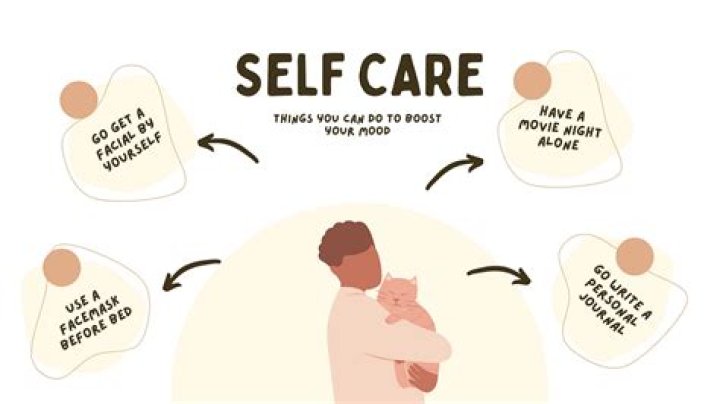
- Nurture Your Body. Men and women can both be seen at nail salons these days, it’s not odd these men know how to indulge in some self-care! Treat yourself to that massage, facial, or add the scalp massage to your next hair cut and let someone take care of you for a little while, you deserve it.
- Maintain a regular and fun workout schedule. It doesn’t have to be miserable, find an activity that makes you sweat and makes you smile.
- Activate Your Inner Child. What did you do when you were a child that was fun and relaxing? I had a client who said when he rode his bike he felt like “a kid again”, it was break from all of his adult worries and when he returned from his rides he was “recharged and happy”. What makes your inner child smile?
“If you aren’t good at loving yourself, you will have a difficult time loving anyone, since you’ll resent the time and energy you give another person that you aren’t even giving to yourself.” – Barbara De Angelis
- Silence the phone. Indulge in the moment and forget about the incoming call, text or email for as long as you can.
- Laugh. Watch The Office, Read Damn You Auto Correct or that funny YouTube clip, and crack up.
- Get out the Crayolas. Draw, paint, build, cook, do something that activates your creative side. Having trouble? Get online and use Pinterest as inspiration.
- Use the Nice Towels. Or the good china or bath salts whatever you have been “saving” for a special occasion. You are special and right now is the occasion to celebrate.
Add your self-care tips below, and take good care.
APA Reference
Roberts, E. (2012, June 6). How to Increase Your Self-Esteem with Self-Care, HealthyPlace. Retrieved on 2020, August 10 from
Author: Emily Roberts MA, LPC
Emily is a psychotherapist, she is intensively trained in DBT, she the author of Express Yourself: A Teen Girls Guide to Speaking Up and Being Who You Are. You can visit Emily’s Guidance Girl website. You can also find her on Facebook, Google+ and Twitter.
It’s important to show compassion for others, but how often do we show ourselves that same level of kindness? Beyond bubble baths, here are some ideas.
Refresh, renew, and reconnect with both your inner self and your practice at a Wanderlust Festival this year. More Info | Lineup | Get Tickets
It’s important to show compassion for others, but how often do we treat ourselves with that same level of kindness? One of the best things that we can do for our minds and bodies is to take a break and remember that we are worth love.
For some people, adding self-care into a daily regimen can seem inconvenient, or even intimidating. Your first defense might be “I don’t have time for that,” or “I have too many other things to do.” But repeatedly putting the needs of others before our own can can lead to a lack of “me time,” which can, in turn, create stress and resentment and prevent us from being our best selves.
Research has illustrated that adding self-care into one’s daily routine reduces stress, decreases the chance of mental and physical ailment, increases productivity, and inspires feelings of happiness. By giving ourselves a daily dose of compassion, we’re able to approach our work and relationships with a clear, happy mind, thus allowing the cycle of positivity to continue.
1. Eat healthily and mindfully.
Too often we eat our meals while multitasking, thus denying ourselves the pure experience of nourishing meal. Would you work on the computer when having dinner with a loved one? Treat yourself with that same level of respect, and allow yourself to indulge in a meal without any distractions.
2. Keep track of your accomplishments.
While there are great merits to a “to-do” list, we must also recognize the things we’ve done. At the end of the day, make a list (either mental or write it out) of the productive things you’ve done that day. Did you nurture a relationship? Do the laundry? Complete a work assignment? No matter how small, you deserve a pat on the back.
3. Express gratitude.
Just as it’s beneficial to keep track of what we’ve done, it’s also good to notice what we have. Keep a journal by your bed, and note the things that you feel lucky to have. Everything from clean sheets to a good friend is worth noting.
4. Gift your inner child.
What were some of your favorite things when you were little? Did you love sidewalk chalk, picking wildflowers, or eating marshmallows? Treat your inner child to a little present and allow the warm feelings to wash over you.
5. Create a cozy space.
Does your bedroom look they way you want it to? If it doesn’t, maybe add some candles or fun throw pillows. By building a space that feels warm and inviting, you establish an inviting retreat for when tough times arise.
6. Read a book.
Finding a book you love is a great way to feel happy. It feels wonderful to look forward to a good story, and the act of reading helps encourage a sense of peace. I recommend The Interestings, Tiny Beautiful Things, or A Homemade Life.
7. Move.
What people say about exercise and endorphins is true; getting active increases feelings of happiness. This doesn’t mean you need to hit the gym. Rather find a form of physical activity that works for you. Go dancing with your friends, enjoy a Saturday morning hike, or go on a bike ride.
8. Unplug.
Instagram and Facebook have some benefits, but does it really make you feel better to expose yourself to everyone’s online versions of themselves? Most often people only report on their success, and so it can be hard when you’re comparing your entire life to everyone’s highlight reels. Take the time to break away from social media, and allow yourself to focus on the beauty of the moment.
9. Create something.
Whether it’s a batch of brownies or a pastel drawing, getting artistic allows us to feel mindful and productive.
10. Build a self-care kit.
Fill a pretty basket with some of the things that make you feel special. It could be nail polish, gummy frogs, coconut lotion, treasured photos, or a new pair of socks. Place your pick-me-ups in a pretty basket, and keep it in your bedroom or bathroom for when you need an extra dose of love.
Remember, by being your best self you’re able to share those beautiful feelings with those around you. Search for the good, share your peace, and watch the positivity grow.
Photo by Ali Kaukas.
Amanda Kohr is the Senior Content Editor at Wanderlust. You can find her exploring new highways, drinking diner coffee, and on Instagram.
“I really have to remember to be kind to myself and actually try to function when I’m unwell. Otherwise things spiral even faster.”
Nourish your social life add remove
Feeling connected to other people is important. It can help you to feel valued and confident about yourself, and can give you a different perspective on things. If you can, try to spend some time connecting with friends and family – even a text or phone call can make a difference.
If you don’t have supportive friends and family around you and are feeling isolated, there are other ways you can make connections. For example, you could try going to community events where you might have some interests or experiences in common with other people there, or joining a group like a local book club or sports team.
“I try to have a friendly conversation everyday, even if it is online with distant friends.”
Try peer support add remove
When you experience a mental health problem it can feel like no one understands. Peer support brings together people who’ve had similar experiences to support each other. This can offer many benefits, such as:
- feeling accepted for who you are
- increased self-confidence
- meeting new people and using your experiences to help others
- finding out new information and places for support
- challenging stigma and discrimination.
You can contact Mind’s Infoline for details of local support groups near you, or try online peer support like Mind’s Elefriends community (see our pages on peer support for more information).
“Things I was ashamed of and felt guilt for were common in the group. It was a profound and powerful experience.”
Make time for therapeutic activities add remove
There are various techniques and therapies you can safely practise on your own. For example:
- Relaxation – you may already know what helps you relax, like having a bath, listening to music or taking your dog for a walk. If you know that a certain activity helps you feel more relaxed, make sure you set aside time to do it. (See our pages on relaxation for more information.)
- Mindfulness – mindfulness is a therapeutic technique that involves being more aware of the present moment. This can mean both outside, in the world around you, and inside, in your feelings and thoughts. Practising mindfulness can help you become more aware of your own moods and reactions, but not everyone finds mindfulness helpful. (See our pages on mindfulness for more information, including guidance on whether mindfulness might be right for you.)
- Getting into nature – getting out into a green environment, such as a park or the countryside, is especially good for you. Even if you don’t have a garden or aren’t very mobile, caring for plants or animals indoors can still help you get some benefits from nature. (See our pages on ecotherapy for more information.)
These activities can be particularly valuable if you don’t want to try medication or talking treatments, or you’re having to wait a while for treatment on the NHS.
“I do ecotherapy to get sunlight onto my skin and into my mind. It shines light through the dark fog of depression.”
Look after your physical health add remove
Taking steps to look after your physical health can help you manage your mental health too.
Get enough sleep
Rest when you can. This can help you have the energy to cope with difficult feelings and experiences.
Keep physically active
Regular exercise doesn’t have to be very strenuous or sporty to be effective – to start with you could try gentle exercise like going for a short walk, yoga or swimming. The important thing is to pick something you enjoy doing, so you’re more likely to stick with it. If you’re physically disabled, Disability Rights UK provides information about exercises you might be able to do. Alternatively, ask your doctor for advice.
Avoid drugs and alcohol
While you might want to use drugs or alcohol to cope with difficult feelings, in the long run they can make you feel a lot worse.
You can contact Turning Point for information and support to stop using drugs and alcohol.
Make time for personal care
When you’re experiencing a mental health problem, it’s easy for personal care to not feel like a priority.
But small everyday things, such as taking a shower and getting fully dressed, can make a big difference to how you feel.
Eat healthily
What you eat, and when you eat, can make a big difference to how well you feel.
“I’m not the sporty type, but I love walking. It really lifts my mood.”
Contact a specialist organisation add remove
If you have a diagnosis, or would like support in a specific area, try contacting a specialist organisation for help. For example:
- Anxiety UK offers advice and support for people living with anxiety.
- B-eat provides information and support for people affected by eating disorders.
- Campaign Against Living Miserably (CALM) supports men’s mental health.
- FRANK provides confidential drugs advice and information.
- Hearing Voices Network runs an online forum and local groups across the country.
- Mind Out offers mental health advice and support for anyone who identifies as LGBTQ+.
- No Panic offers help and advice about anxiety disorders, including a helpline and recovery groups.
- StudentMinds supports students with their mental health.
- YoungMinds supports children and young people with their mental health.
My main goal is to help you live a happy life and while making money and doing work you love is important, so is your own self-care routine.
Have you any idea of how many people suffer from anxiety in the US and UK alone? You may be surprised at the figures…
Did you know that according to the Anxiety and Depression Association of America over 40 million Americans have anxiety disorders?
This page contains affiliate links meaning I earn a commission if you use these links. Please read my disclosure page for more information.
In the UK the Mental Health Foundation reported 8.2 million cases of anxiety in 2013. More worryingly it also stated in England women are almost twice as likely to be diagnosed with anxiety disorders as men.
That’s almost 50 million people who suffer from anxiety disorders. So, you may have heard the term ‘self-care’ recently, but do you know what it actually means?
You probably are thinking it’s basically taking care of yourself… and you would be right. But, there’s a lot more to than that. You see, in this busy world of ours, we really need to stop for a while and concentrate on our mental, emotional, and physical health.
Something many women overlook as they rush around taking care of others.
But, the thing is… this is NOT a rehearsal. You only have one life, so you need to take good care of yourself, right?
You need to make space in your life for more joy and happiness
I have really made an effort to slow down and start to take notice of simple things like the little Robin who sings his heart out every morning outside my window.
Or, the black squirrel who climbs up a tree in my garden around 7 o’clock every day.
These are simple observations, but a couple of years ago, I wouldn’t even have noticed them as I was always rushing around and I have an elderly relative to take care of.
You’ll find many tips and advice in these books I’ve included at the end of this article – but there are a few simple changes you can make to your routine right now.
5 Best Books to Improve Your Self-Care Routine
Tips to Improve Your Self-Care Today
- Never ignore any health issues (this is important)
- Laugh more and don’t take yourself too seriously
- Learn to say ‘No’ gracefully when you really don’t want to participate in any activities
- Eat healthily and think about what you are putting in your mouth (remember the saying “One minute in your mouth, one month around your waist”)
- Make time for your partner and other members of your family
- Join a class (yoga, keep fit, learning a foreign language and be part of a supportive community
- Download apps created to relieve anxiety Calm and Happify
Try to SLOW DOWN and allocate a few minutes every day away from any distracts like work and family to concentrate on YOU and your physical and mental wellbeing.
Take a look at these five excellent resources that will help you practice self-care each day and support you on your road to success in everything you do…
1. The 5 Second Rule
Mel Robbins international best seller book 5 Second Rule – Transform Your Life, Work and Confidence with Everyday Courage is a resource to help you improve your self-care routine. Mel has created a successful system to help you pay attention to your own self-care, notably:
- Become more confident
- Break the habit of procrastination and self-doubt
- Beat fear and uncertainty
- Stop worrying and feel happier
- Share your ideas with courage
The 5 Second Rule is a simple, one-size-fits-all solution for the one problem we all face—we hold ourselves back. According to Mel, “The secret isn’t knowing what to do—it’s knowing how to make yourself do it.”
1,400+ reviews on Amazon USA
2. Zen as F*ck: A Journal for Practicing the Mindful Art of Not Giving a Sh*t
I must award Monica Sweeney for her totally different view of caring for yourself. She has compiled this book of mindfulness with a fresh look at finding your own way and being happy.
She uses journal pathways with positive affirmations to take you on a journey to your own version of happiness. She offers advice on how to sparkle like the gem you are. An uplifting and unusual approach to mindfulness and self-care.
1,100+ reviews on Amazon USA
3. The Smart Girl’s Guide to Self-Care
The Smart Girl’s Guide by Shahida Arabi pulls NO PUNCHES when it comes to tackling problems with your self-care routine. She addresses difficult subjects to improve your self-care. For example, abusive or unhappy relationships.
These are all signs that you need to improve your self-care routine. Although this book is intended for everyone, its target audience is young women who are convinced that their needs and wants don’t matter. Also, their relationships with others are much more important than the relationship they have with themselves.
The Smart Girl’s Guide to Self-Care answers these questions through a holistic program of tending to the mind, body and spirit in healthier and more productive ways.
4. The Self Care Prescription
This new book provides you with a format to look at your life in some depth. The author Robyn L. Gobin Ph.D. encourages you to find purpose in your relationships, life and work.
It walks you through the steps you need to take to find career satisfaction and spending more time with your family and friends. This book helps us understand and balance all the areas of our lives. It is an easy to read book with bulleted lists and step-by-step directions.
5. The 6-Minute Diary
Based on positive psychology research and feedback from more than 300,000 users The 6 Minute Diary, was created to help you introduce positive and powerful habits into your everyday life.
This book helps you be in charge of your own attitude and thought patterns. Using small portions of 3 minutes in the morning and 3 minutes in the evening you are encouraged to focus on what matters most to you.
This 220-page diary is aimed to help you discover what really matters most in your life. Also to improve your self-care routine.
Also included is the 35-page eBook “The Golden Morning Routine” filled with lots of inspirations for building your own morning routine.
If I said “self-care” to you, what image does it conjure?
Probably relaxing massages, day spas, incredibly flexible yoga poses…
OK, maybe not the last one.
However you nurture yourself, it’s physically and mentally beneficial to squeeze some self-love into your day.
Meditation between meetings or date-nights between graveyard shifts might not be an achievable plan, but there are practical and easy ways you can take care of yourself without creating extra stress. After all, that is the whole point, right?
Perhaps the easiest and most effective way to establish a regular self-care routine is to sneak it into an existing habit or timetable.
You might not realize that you are already engaging in daily self-care simply by going about your regular daily routine. Turning your quick wash-down into a nourishing beauty ritual is the perfect opportunity for a daily dose of self-care, without it taking any additional time, planning or effort.
How Can Skin-Care Be Self-Care?
Any act of skin-care is an act of self-care. It is, by nature, a comforting and nourishing act that reduces stress and anxiety, improves circulation, prevents aging and makes you look and feel great.
Creating beauty rituals that allow you to spend even just a few minutes a day focused on yourself and feeling good, is a stepping stone to greater self-care habits and mental clarity: think setting healthy boundaries, changing diets or behaviors. But life is so busy; how exactly do you find time to devote to self-care let alone beauty rituals?
When is the Best Time for Self-Care?
Well, self-care can happen anytime you want or need it.
Building on existing habits and patterns of behavior makes it more likely you will keep it going. If morning routines aren’t your thing you can add them to your evening bath soak, girls night in, your lazy Sunday afternoon or even as part of a sensual date night with your partner.
For those of us looking to incorporate some extra healing benefits to our ritualistic efforts, crystal beauty tools are an innovative and replenishing way to add some super-charged energy to your self-care routine and take it to a level of higher purpose.
Meet the ‘Hilton’ of facial cleansing tools: the ultra-soft bristles of the Rose Quartz Facial Cleansing Brush will cleanse and massage your skin as you wash away impurities and stress whilst invoking the healing properties of the rose quartz crystal.
Judy Hall, author of ‘The Crystal Bible’ described Rose Quartz as “the stone of unconditional love and infinite peace”. With such a strong connection to the heart chakra, heart health, and emotional well-being there is surely no better beauty tool to start your self-care rituals with.
Creating self-care routines may take more adjustment than expected. If you’re not accustomed to making yourself a priority then suddenly booking in for regular hour-long massages seems an alien concept. Enter, the body roller.
The gently spiked jade roller enables you to level-up your body treatment at home as part of your own self-love beauty ritual. Its versatility allows for a speedy roll-over before your usual cleansing routine, or a more intimate body massage. Pressured strokes from the roller break down cellulite stimulate circulation, and smooth skin. All this whilst the healing powers of jade re-balance energy and soothe nerves.
Rituals are defined by the systematic behaviors enacted throughout them and beauty rituals are no exception.
Now that your skin is cleansed and energized, your body massaged and rejuvenated, it’s time to comb some new life into your hair. This Rose Quartz Crystal Comb will release tension and tightness, reduce headaches and promote new hair growth. It will fill your heart chakra with love and leave you feeling vibrant and gorgeous inside and out. Self-care made easy.
Getting some ‘me-time’ doesn’t need to be something you block out on the calendar, arrange a sitter and schedule three weeks in advance.
Take care of your health and well-being by creating simple, easy to stick to, beauty rituals as part of your daily self-care routine.
Have you tried any of the crystal beauty tools? Let me know in the comments what your self-care routine looks like and how you incorporate crystals for health.
You can check out the full range of crystal beauty tools here.
Error! You must specify a value for the Video ID, Width, Height and Anchor parameters to use this shortcode!
When life gets busy its easy to forget to take care of yourself. But practicing self-care can have great benefits for your mental health.
Dont feel guilty about taking time to care for yourself. Its not selfish to make your health a priority. You will be better able to help others when you are your healthiest.
How to practice self-care is different for each person and can be different from day to day. An act of self-care for one person could actually be triggering for someone else, such as visiting with family. The important part is to find a balance of activities that work for you.
Here are some ideas on ways to get started, and dont forget that you can also combine these activities. For example, eating your favorite desert at the park or going to the beach and reading with a friend.
Build a Healthy Foundation
1. Get enough sleep and do your best to keep a consistent sleep schedule
2. Eat a balanced diet and include fruits and vegetables
3. Remember to drink enough water
Self-care means to me: making sleep a top priority, always staying on-top of refilling my prescription medications, spending time to cook meals I enjoy and setting aside time each week to do things I love like read, yoga and walk my dogs! – Shannon Y.
Avoid Stress
4. Avoid triggers
5. Take breaks from your computer, phone, or social media
6. Learn to say no its ok to say no if you dont want or arent able to do something at the moment. Taking on too many commitments can put extra pressure on yourself and cause more stress.
I try to avoid triggers/people or situations that set me off when I am in a vulnerable state. It’s important to take a step back and realize what your limitations are and to remember that self-care is important for your health and is not selfish. Melanie Luxenberg
Feeling Low on Energy? Even Small Steps Matter
7. Wash your face, take a shower if you can
8. Put on clean, comfortable clothes
9. Eat something and drink water if youre able to make your favorite snack or order takeout
10. Read, watch your favorite shows or movies, and try not to feel guilty about not being productive
Relax
11. Play video games
12. Watch your favorite tv show
13. Rent a movie
14. Play Sudoku or other puzzle games
15. Listen to music
16. Use scented candles or diffuse essential oils
18. Take a bubble bath or shower and use your favorite shampoo/conditioner, body wash, and lotion
Reading in particular is helpful. I’m able to leave my own thoughts and feelings behind and enter an entirely new world. Kaitlin D.
Get Active
20. Do some simple stretches to get your blood moving
21. Go for a walk
22. Go to a yoga class or try yoga videos at home
23. Try other fitness classes like water aerobics or kickboxing, many gyms offer classes for a wide range of athletic abilities
25. Join a community sports team like softball or kickball
Get Outside
26. Go for a short walk
27. Ride your bike, skateboard, or rollerblade
28. Have lunch in the park
29. Go to the beach
30. Go for a hike
“Being in nature reminds me how calm life can be when we seek stillness. When I want to practice self care I seek the beauty around me in nature on long walks, hikes near the beaches and feel reminded of how naturally beautiful life is.” – Kristin Green
Social Activities
31. Have dinner or coffee with friends
32. Text, call, or Skype with a friend
33. Join an online community to connect with others
34. Go to a movie with a friend
35. Visit with your family
36. Play board games with friends or family
37. Plan a trip with friends
Creative Outlets
40. Adult coloring books
42. Try a DIY (Do It Yourself) project
45. Work on anything that inspires you
I try various methods to practice self-care. I enjoy painting, writing, dancing, yoga, reading, meditating. Of course some of these become a little harder when I am manic, so I go for walks rather than meditate, and try and focus on the moment, hold on to reality. Nanieve Groenewald
Treat Yourself
46. Get a manicure or pedicure
47. Give yourself a manicure or have your friend give you one
48. Get a massage
49. Buy something small for yourself
50. Eat your favorite meal or dessert
Do you have any other suggestions? Tell us in the comments below.
Have you wondered about what self-esteem is and how to get more of it? Do you think your self-esteem is low? Do you know how to tell? Do you know what to do about it?
Self-esteem answers the question, “How do I feel about who I am?” We learn self-esteem in our family of origin; we do not inherit it.
Global self-esteem (about “who we are”) is normally constant. Situational self-esteem (about what we do) fluctuates, depending on circumstances, roles, and events. Situational self-esteem can be high at one moment (e.g., at work) and low the next (e.g., at home).
Low self-esteem is a negative evaluation of oneself. This type of evaluation usually occurs when some circumstance we encounter in our life touches on our sensitivities. We personalize the incident and experience physical, emotional, and cognitive arousal. This is so alarming and confusing that we respond by acting in a self-defeating or self-destructive manner. When that happens, our actions tend to be automatic and impulse-driven; we feel upset or emotionally blocked; our thinking narrows; our self-care deteriorates; we lose our sense of self; we focus on being in control and become self-absorbed.
Global self-esteem is not set in stone. Raising it is possible, but not easy. Global self-esteem grows as we face our fears and learn from our experiences. Some of this work may require the aid of a psychotherapist. In the meantime, here is what you can do:
- 985 SHARES
Are you at the top of your priority list? You should be! However, we’re all guilty of neglecting our personal needs. If we do not take time for self-care, how can we expect to give 100% to our relationships and daily tasks?
To be our best selves, we can begin to practice self-care on a daily basis.
Self-care is what we do intentionally to take care of our physical, mental, and emotional health. It’s not selfish. It’s a necessary practice to refuel our minds and bodies – it’s something we do to take care of ourselves.
One great way to practice self-care is through mindfulness, or the intentional practice of being aware of your thoughts, feelings, and actions.
Mindfulness also helps you manage your emotions and reduce your anxiety so that you don’t explode into an emotional ball of tears. (Or maybe that’s just me that does that!)
Here Are 6 Essential Self-Care Practices to Help Reduce Your Anxiety
Self-care can help you reduce anxiety, relieve stress, and improve your mood. Also, like mindfulness, self-care is about identifying what you need and taking steps to reach those needs.
1. Journaling
Journaling is a fantastic self-care practice. Writing down your thoughts and feelings is a coping skill that can help you release stress, anxiety, and tension. It can also increase your self- and emotional regulation, as well as a way to express joy and happiness.
Writing things down in general is a simple self-care act that we can do every day to keep our minds free and clear, so we can be more intentional and attentive to other tasks.
2. Create a “No List”
Make a list of things you want to take out of your life, things you want to stop doing, or things you never liked doing in the first place. Do you spend every evening checking work emails? Put it on your “No List” and save those emails for work time only.
Creating a “No List” will help you become more self-aware and give you the opportunity to restructure your time so you can spend more time doing the things you love.
3. Clean Up
This may seem like a chore . . . and technically it is. But often a messy or cluttered area is a sign of a cluttered mind. There is truth to the age-old saying “If you want to have a good day, make your bed.”
When we start with, and are surrounded by, a clean, uncluttered environment, we set the tone for our thoughts, mood, level of productivity, and even sense of accomplishment.
4. Read
Take the time to read something you love. Not something for work. A book, magazine, or audio book that you just want to get lost in. Put yourself in the shoes of your favorite character, a character you don’t like so much, or even the author!
This can help you increase your perspective skills, leading to improved empathy and understanding, self-compassion, and moral development. Shifting your perspective can even help you tackle a challenging problem you might have. Sometimes you’ve got to think outside the box before you can fix what’s inside the box!
5. Practice Yoga
While yoga provides us with many benefits, becoming more intentional and persistent in our lives is one of my favorite ones. When we are more intentional and persistent, we know what we want and go for it. We leave fears of failure behind, and focus only on success and happiness.
Yoga is also a great way to practice mindfulness. You can, of course, practice mindfulness without practicing the physical postures of yoga. But, if you are practicing yoga asana in it’s true form, you cannot practice without mindfulness.
So, when it comes to self-care, don’t give up on mastering that handstand. The dedication will give you the determination you need to succeed in all aspects of your life.
Practice yoga online with us on YA Classes by YogiApproved!
How to Improve Self-Care and Become the Best Leader You Can Be
In an airplane safety briefing, flight attendants tell parents that, in the event of cabin pressure loss, be sure to attach the drop-down oxygen mask to themselves before assisting their children with their mask. The reason for this is that parents tend to be so focused on making sure their child is safe, they forget it’s more important, and better for their child’s long-term safety, to first attach their own mask. In a much less dramatic sense, being a leader involves applying the same principal.
Being a great leader isn’t just about taking care of those around you — it’s also about taking care of yourself in order to be the best leader you can be in the long term. Before assisting your employees, it’s best to assist yourself. In order to do that, it’s important to practice some self-care. By getting enough sleep, having healthy work-life boundaries, taking your vacation time, eating well, and engaging in positive self-talk, you’ll be in the right space to be a leader to those around you.
Get Enough Sleep
Nearly every self-care list talks about getting enough sleep, but that’s how important it is. Sleep can affect your energy, your stress levels, your attention to detail, and your ability to be a great leader . Sometimes being told to get enough sleep is easier said than done, but it’s helpful to take steps that can help you get the sleep you need to be there for the people who need you.
Try creating a sleep schedule, removing technology from the bedroom, or getting a new bed. Some people swear by sleeping with a fan in the room, while others need blackout curtains. Experiment with a few things if you’re not getting enough sleep.
Create Work Boundaries
Those who tend to gravitate toward leadership positions can often have an issue with being overworked due to their own priorities in making sure work always comes first. However, this can sometimes lead to exhaustion and a poor work-life balance. Practice self-care by creating some work boundaries. This can mean turning off work emails from your phone, avoiding work discussions after a certain time, or silencing work numbers on the weekends.
This can cause some anxiety at first, but in the long run it can help your overall happiness at work and in life by creating these healthy boundaries. The best leaders encourage work-life balance for their employees, but they also practice that balance themselves as well.
Take Your Vacation Time
Workaholics have a hard time taking vacations. If you’re in a leadership position, it can be hard to leave those who need you. However, it’s important to take a break and recharge in order to be the best you can be at work. It also shows trust for those who will take the reins while you’re gone. Work burnout is real for everyone. It’s also important to lead by example and show employees they don’t have to be overworked to be valuable and that taking a break is important and okay.
Eat Well
In some careers, the job is really emotionally taxing. For positions in social work, healthcare, or criminal justice, etc., it can be hard to take care of yourself when clients, patients, or victims rely on you. It’s common to overlook self-care when you’re in a line of work when the stakes are so high. For positions like these, self-care is extremely important because it can often be looked over in order to benefit others. One of the many aspects of self-care that is commonly forgotten is a focus on eating healthy. Again, you need oxygen in order to put the mask on your child.
Overeating, undereating, or eating poorly can be a result of poor work-life balance or poor self-care in response to a demanding leadership role. Even if you don’t have an emotionally taxing position, stress can still affect what you eat and how much you eat as well. Coffee isn’t a meal replacement, cooking at home can lead to better eating, and it’s important to realize exactly how many calories can be in things like beer or a mixed drink. Creating meal plans and making a schedule for your meals can help you to focus on eating well.
Engage in Positive Self-Talk
If you’re in a leadership position, chances are you understand the ramifications of negativity and conflict for your employees. It can be hard to find the balance between holding employees accountable and berating them, but that balance is important. It’s a manager’s or supervisor’s job to help employees become the best they can be, and a big part of that is encouragement and positivity.
In the same way that positive talk is important for your employees, it’s important for you as well. When things are difficult, be careful not to be negative to yourself. Give yourself a break — just like you’d give your employees a break. Positive self-talk is a major component in self-care and something that can help your overall happiness.
Everyone has an area of self-care that they can improve on. Each person manifests stress in a different way. Some can’t sleep; some are overworked; some become workaholics; some don’t eat well; and others talk negatively to themselves. Find the thing that you do, and work to remedy it. Instead of having it be a downfall, use it as self-care and improve upon it. As a result, you’ll become a stronger leader. The better off you are, the better you can help those around you overcome those all too common workplace issues — it all starts with you.
Have you been feeling like the days and weeks are all starting to blend together? The, “I thought it was Monday, but it was actually Thursday” kind of vibe? This was created during the historical COVID 19 Pandemic and yet the scheduling tips I’m sharing will be helpful and useful anytime. When the pandemic is over and a new normal occurs or the old normal for that matter; having a schedule to use at home to organize time and increase order and productivity will still be quite the game changer.
Why keep a schedule at home:
Creates Grounding through routine
Helps activate empowerment for your time management
Daily self care
Get Your Free Downloadable Printable PDF
MY #1 HOPE:
I hope you enjoyed learning about some of my tips to improve your depression and increase energy. Be sure to share your real life wellness issues below! I will try to share more posts for you to help you keep up a healthy self care practice.
DID YOU LOVE IT?
Did you enjoy this Holistic Mental Health Therapy Post? Comment below! Help me pick my next holistic Mental Health Therapy topic by sharing suggestions in the comments, or contact me directly to share other ideas for future posts!
SHARE THE LOVE!
Please share this post with your friends, family, or anyone you think may benefit from wellness tips. Sometimes sharing information can really help people to be inspired to create a wonderful physical, mental, and emotional recovery or start their Wellness Journey!
Join my Online Fit Mind And Body Gym! Each month, we discuss ways for you to eat healthier, exercise better, decrease your stress more effectively, increase your energy daily, and we track progress along your journey towards a healthier and happier you.
Sign up for your free ten-minute wellness consultation session if you want dialed in 1:1 online holistic therapy support to help you increase your energy and reduce your stress to have a glowing healthy and happy lifestyle.
Do you want to up your self-care game? Do you feel burnt out?
Taking time to pamper and care for yourself is critical to maintaining mental health.
In order to feel more relaxed and centered on a daily basis, you need to have a self-care practice.
The wellness world has been exploding in recent years and everyone has their own version of what self-love looks like.
While there’s no “right way” to care for yourself, there are definitely activities you can do that are proven to be positive.
My 3 self-care practices:
I prioritize three activities as part of my wellness practice. Without these three things, I definitely would feel less grounded.
Journaling: I absolutely swear by journaling. Just the act of writing down your thoughts and feelings can help to diffuse their intensity.
The key with journaling is not to judge yourself. You don’t need to write perfect sentences or have great grammar.
There’s no “right way” to start a journal entry. Just pick up a pen and start writing whatever comes to mind!
Writing things down can be incredibly cathartic.
Exercise: You know that I love working out. Those natural endorphins do wonders for my brain and body.
A good workout usually has the ability to get you out of your head and into your body; that’s hugely beneficial.
Plus, I’ve found that pushing myself physically helps me build up the courage to push myself emotionally.
Meditation: This is probably my most important, and least utilized, practice.
However, I think there are a lot of misconceptions around the act of meditating.
The goal of meditation isn’t to sit in perfect silence. The goal is to notice when your mind wanders and bring it back to the breath.
You aren’t going to be able to sit still without thoughts when you first start. That’s why meditation is a practice.
Just like with journaling and exercise, you get better at meditation with each time you practice it.
Any good self-care practice requires work on your part to keep the practice up.
By committing to these practices on a daily basis, you’re committing to your mental health.
What do you think? What are your favorite ways to relax and unwind?
1. Remove the clutter from your life.
This includes physical, emotional, and interpersonal clutter which only serves to detract you from focusing on your personal growth. Self-care and self-love require the space and energy to expand yourself, improve yourself, and to reach higher levels of spiritual and psychological well-being. You can’t achieve this by allowing unnecessary excess in your life.
Clean the physical spaces where you live, because physical clutter can affect your mindset every day. An organized, tidy living space can do wonders for your mood and help you to complete tasks more quickly because everything has its place. Cut the toxic interactions with people you don’t need in your life which are only bringing you down. Stop allowing negative people to take up the space in your mind, heart and soul — they don’t belong there and the ruminations you’re engaging in over them are virtually useless. Refine your to-do list — stop trying to do a million things every day and instead, prioritize the main tasks which are most important to you and closest to what you value in life.
Remember, quality beats quantity when it comes to self-care, so invest only in relationships and friendships that make you happier, pursue only the goals that are true to your deepest desires, and save your energy and talent for those worthy of you.
2. Give yourself unconditional love every day, no matter what.
Unfortunately, no one can really give this to you except yourself. Human beings, while capable of extraordinary love and compassion for others, still love others conditionally. When I say unconditional love, I truly mean unconditional, unlimited, infinite love. It may seem impossible to achieve, but do the best you can to love yourself regardless of whatever circumstances you may have in your career, relationships, status, power, finances, and so forth.
I highly recommend reading the book Love Yourself Like Your Life Depends On It by Kamal Ravikant to understand how to enter into a mindset of self-love with a simple mantra. Loving yourself unconditionally also means loving all of you — your flaws, your strengths, your secrets, your weaknesses. Every part of you is important, unique, and worthy of love. When you give yourself unconditional love, you find yourself recognizing people who don’t give you the full acceptance you deserve, which makes it easier to clean out the interpersonal clutter as mentioned above.
3. Take care, holistically.
Creating a balance between work and play is essential to maintaining holistic self-care. Don’t focus just on one aspect of your life when it comes to self-care. Energize your body, nourish your spirit, and enlighten your mind. Meditation is important for your spiritual, emotional, and mental well-being. Yoga, Pilates, dance cardio, and running are great ways to get into shape and improve your mood. Eating mindfully will also help you to achieve optimal levels of energy and fitness while making your body less vulnerable to disease.
Writing, reading, and taking classes that interest you will keep your mind sharp, alert, and always learning. Don’t forget to maintain an active social life in the form of healthy relationships and friendships, as these are essential psychosocial resources that will serve as a crucial source of support and enhance your enjoyment of life.
4. Have high standards and stick to them.
Self-respect is crucial to self-care because it protects you from settling for less when you deserve the best. This is toxic to how you view yourself and how you allow others to treat you, your values and your boundaries. If you allow others to trample over your expectations constantly, you’re debasing your worth and chopping away at your self-esteem.
You might be afraid that if you have high standards for yourself, people might perceive you as a high-maintenance person and even abandon you in the process. Let them. It doesn’t matter — in fact, it’s probably a good thing that they do abandon you and reveal their true colors. At the end of the day, your opinion of yourself and what you deserve is all that truly matters in life.
Having high standards in your career and relationships protect you in the long-run from scammers, emotional predators, and exploiters from sucking you dry and leaving you drained. Think of things that fall below your standards as a bad business deal. You’re not getting what you need and want out of it, but the person on the other side is. It’s not worth the investment if someone else is benefiting from the positive return.
5. Pursue your true passions.
Life is too short to waste your energy by allocating resources into goals that are not truly your own. Caring for ourselves means remaining authentic and recognizing our true passions. Don’t be pressured into picking a certain career path just because society says it’s the right one for you; don’t always settle for crappy jobs just because they’ll pay the rent; don’t pursue a major just because of its financial rewards unless it’s something that really interests you.
Sometimes you will have to make do with what you have in order to survive, but be sure you’re still looking for ways to improve yourself and progress to something better and something that represents your true calling. For example, if you’re a waiter who dreams of writing the next big screenplay, continue working on it when you have the time. Setting aside time to pursue your dreams is important because these are things no one can take away from you. You own the right to all of your dreams and the ability to make them come to life.
The key is to still be practical, but also to be passionate. You were not meant to live this life doing just what is required to survive; you were meant to live life chasing your dreams. Don’t be afraid of failure, because failure is a learning experience that will strengthen you and prepare you to do better in the future.
Would you rather sit around and live in the regret of not knowing what would’ve happened if you had tried, or would you rather lead an exciting life by taking on risks and challenges that will ultimately lead you to what you were meant to do?
It’s okay to explore multiple interests and talents; you don’t have to limit yourself to one pursuit. However, if you do have that one dream that’s been pulling at your heartstrings, start chasing it now. If you want to write a book, start by writing a blog or start writing the chapters to the book. If you want to go back to school, start looking up different programs.
Take small steps today to start paving the path to tomorrow. Achieving long-term goals and big dreams are possible so long as you put the effort into making them happen. The most successful people I know are not just passive dreamers; they are active chasers who make an effort every day in order to accomplish their goals.
Who does not want to be taken care of? Do you take care of yourself? What a silly question, right? Of course, all of us do! But did you encounter someone asking you about how you take good care of yourself? What was your answer then? No matter how hard we explain that we know self care is important, we still cannot miss the fact that we all have different means of taking care of our bodies. Answering ways on how we look after our overall health may be tricky, so let us give you some basic ways on how to better enforce self care and explain how these steps help you maintain and improve your well-being.
What is self care?
Simply put, self care is taking care of one’s self. There is no easier way to define it. Self-care habits are things that we do to ourselves, so we can maintain our physical, mental, emotional, and psychological health.
Why do people mess self-care habits up?
We think that because self-care is also self-explanatory, there is no way that you can misunderstand it. But no, most people still neglect self care. Why?
They think it is a selfish thing to do
People like mothers, in particular, tend to feel selfish when thinking about maintaining proper self-care habits. They believe that the welfare and health of their child and the whole family should come first. We can sometimes feel guilty about taking the time required to take care of ourselves. What we do not realize is that if we neglect our own needs, sooner or later, it is our own family who will suffer because of this. Come to think of it; how can you take care of others if you do not care for yourself?
We do not have enough time
Because money is everything in today’s world, most of us work our butts off just to have food on our plates each day. We start to think that 24 hours is not enough time for the day, and we set aside all the others in order to finish what we think is important – work. This mentality makes pampering, relaxation, travel, self-meditation, and all things that would boost self care seem luxurious and not a necessity.
Others are plain lazy
They do not see the importance of self care. They would rather do the familiar things they love than enforce new healthy habits that can make them feel and look better.
People think of it as a task
Just like what lazy people feel, some of us neglect following self-care routines because they seem too challenging to maintain. We think of these steps as an obligatory thing that we have to force ourselves into doing. We should think of these steps as a form of self-improvement.
Tips on how to start practicing good self-care habits
Start now
There is no better way to start taking better care of ourselves than to start now. Whatever unhealthy habits you have been doing, stop them now. If you can’t stop them abruptly, find ways to gradually take them out of your system. Read books and articles online about ideal self-care habits that could be applicable to your life, so you are well-aware of what you need to start doing. No matter how small or big that step is, what matters is you do something now!
Create a plan
List down what you have been typically doing for a day. Manage your schedule and find ways to insert healthy self-care steps along the way. Remove the things you have been doing that you think will not benefit you in the long run. Manage your time so you would not neglect the time for your family and others just so you can care for yourself. This way, you would not feel guilty for putting yourself first.
Consult your doctor
To make sure that your plan will work, talk to your family doctor who knows all your medical information. This way, he may tell you what you can and cannot do. He can also suggest alternatives to self care so that the things that you are not allowed to do can have an alternative that reaches the same goal, only safer.
Stick to your plan
Keep in mind that self care does not have an expiration date. This process is not a simple kind of diet or a treatment routine that has an end. Think of it as a lifelong plan that you have for yourself, and you have to do it to make sure that you really are going to lead a long and healthy life.
Basic self-care habits
Eat healthy
The food we eat has the potential to either keep us generally healthy or contribute to weight gain or diseases such as cardiovascular problems or diabetes. Eating the right foods can help prevent certain diseases and can up our immunity to keep us from infection. Make sure that what you are eating does not just taste good, but it also has plenty of good nutrients like vitamins and minerals that the body needs to function properly. Some of the most amazing self-care foods include fatty fish, lean meat, fruits, nuts, and green leafy veggies.
Be active
When eating healthy is the topic, the next tip just needs to have a good exercise. Of course, if you put something in your body, it converts into energy. Of course, you need to do something to use that energy, and it becomes a cycle. If you just eat without burning it off, you may develop obesity and muscle weakness. Daily exercise can help you both physically and mentally, boosting your mood, reducing stress and anxiety, and not to mention helping you shed the extra weight.
Stay away from vices
Time and time again, we will reiterate that smoking cessation is the best self-care method that you can do if you have been smoking, even if you started just last week. Studies show that a stick of cigarette makes you lose approximately 14 minutes of your life, so imagine if you finished a whole pack? Smoking would not do your body any good, and so neither would alcohol nor drug use. Stay away from these unhealthy substances, and you can be sure that you and your family will stay healthy for longer.
Take a break
A busy and stressful life can cause physical and mental problems, not just emotional and psychological ones. Taking a vacation to free your mind from all the hustle and bustle of city life can help you re-energize and refocus your outlook on life. Taking a break does not necessarily mean spending lots of dollars to enjoy a beautiful scenery out of town or abroad. Just a simple walk along the beach or a quiet park seriously makes a big difference in your perspective of life.
Sleep
Just like taking a break is important, sleeping is equally beneficial to your mental and physical health. It is when sleeping that the body fixes and restores our energy. It regenerates cells necessary for our whole body to function properly again, and skipping sleep or staying up late at night deprives your body the appropriate amount of time to rejuvenate. Make sure that you have at least 6 to 8 hours of sleep every day, so you can free your mind from all the stress that the rest of the day brought you.
Organize
Not just the things in your house and at work, but organize everything in your life! Your time, your space, your habits! This may be an ordeal in the beginning, but if you successfully put everything in order, the rest of your life will be a breeze. Quit stressing about the small stuff, and look at what benefits you will get in the end!
The term “self-care” is trending in recent years, and we’ve seen hundreds of products, services, health and fitness experts, and other things promoting self-care. But what is self-care, really, and how does it affect mental health? Can self-care subscription boxes make an impact on your wellbeing, or is there another reason that self-care can affect your mental health?
Our mental health professionals wanted to take the time to discuss what the research says about self-care, and what you can do to take care of yourself.
What Is Self-Care?
Self-care is providing adequate attention to your own psychological and emotional wellbeing . While this may be a bit of a vague description (after all, what is “adequate attention?”), the truth is, self-care doesn’t look the same for any two people.
For extraverted people, being around other people in a social setting may meet their emotional needs. Introverted people may prefer an evening watching a movie with a close friend or significant other to get their social needs met. Some swear by warm bubble baths, facial masks, and quiet music, while others want to hit the gym, take a road trip, drink a coffee, or even take some time to clean their living space thoroughly.
There are practically endless ways to practice self-care, and it all boils down to doing things that you enjoy or need.
While many people tend to think of pampering themselves or indulging in guilty pleasures as self-care, it doesn’t just end there. Self-care also encompasses all the things you need to do to remain healthy, reduce stress, and feel as mentally well as possible .
This means that getting a massage is self-care, but so is cleaning your home to reduce your stress. Enjoying an ice cream on a warm day counts as self-care, but so does attending therapy sessions to address your emotional needs, trauma, or mental illnesses.
What Do Studies Say About Self-Care and Mental Health?
Because self-care is the practice of caring for your physical, emotional, and psychological wellbeing, it shouldn’t be surprising to learn that it does, in fact, have an effect on your mental health.
Self-care relies on increased self-awareness , which can benefit people who are living with a mental illness. Practicing self-awareness can help you to recognize patterns in your emotions, including events or situations that can trigger worsened symptoms. It can also help you to recognize what activities or tasks are necessary of your wellbeing, soothe negative symptoms of a mental illness or stress, or simply bring you pleasure or relaxation.
That doesn’t mean that self-care is the cure for mental or physical illnesses. While self-care can help people with conditions like mental illnesses or chronic illnesses, it also has been found that many people fail to provide adequate self-care in the midst of a flare-up of symptoms.
Many people find it difficult to provide self-care when it is most needed, due to fatigue, feelings of hopelessness or guilt for indulging in something pleasurable, pain, limited mobility, and other factors. People are quick to parrot the benefits of self-care for depression, anxiety, and other mental or physical illnesses, but don’t recognize the amount of labor self-care can require, nor the struggles of people who are trying to provide self-care while also living with their symptoms.
How to Practice Self-Care
That being said, self-care is an incredibly broad term for the practice you may already be doing to feel your best or manage symptoms. Self-care doesn’t need to be elaborate, expensive, or labor-intensive to be effective—you may not even need to go out of your way to practice self-care, just learn to observe how your routine affects your mood and functioning.
Building a list of favorite self-care methods can be especially helpful in identifying what activities make it easier for you to function, improve your mood, or reduce your stress levels. Having a written list can help you quickly determine what to do if you should feel that you’re in need of a little extra care, as well, which can make it easier to provide self-care when you’re feeling low.
Your personal brand of self-care will depend on what works best for you, what you enjoy, and your energy levels, personality, and other factors. However, here are some ideas to help you get started on providing yourself with the attention you deserve.
- Take a quick mental survey of your body. While breathing deeply, scan your whole body, releasing tension as you find it. Check your posture and adjust as necessary. It only takes a few seconds to do but can provide an immediate change.
- Practice healthy sleep habits and listen to your body’s needs. Going to bed at an earlier time, ensuring that your bedroom is comfortable and quiet, and practicing good screen-time habits before bed can help you enjoy a more restful sleep.
- Take care of your health needs. Schedule appointments with your doctor for regular checkups, stay on top of your medications, therapy appointments, chiropractic adjustments, or any other care you require to maintain your physical health.
- Exercise in some form. It’s recommended that you get 30 minutes of moderate exercise daily, but it may not be possible if you are struggling with a mental or physical illness. Instead, focus on getting the exercise you can get, since even a short walk to the mailbox is better than doing nothing.
- Practice healthy eating habits. Eating regularly can help you to feel better, even if you can’t manage a nutrition-packed, home-cooked meal. Eating healthily is obviously a great form of self-care, but so is simply making sure you eat something each day.
- If a beauty or skincare routine helps you, set aside time to pamper yourself regularly. You might be surprised at the difference even a little bit of time to focus on yourself can help.
- Set aside time to talk with your therapist or a trusted friend, read, reflect, journal, or otherwise engage with your thoughts. Self-awareness is an important part of self-care, so don’t neglect your emotions!
Find Help When You Need It
Are you struggling with a mental health condition, such as anxiety, depression, or PTSD? You don’t have to handle your pain alone. At Mission Harbor Behavioral Health, our Santa Barbara mental health clinic is staffed by compassionate professionals who are dedicated to helping you find real solutions to your symptoms and discover how you can enjoy life again.
Schedule an appointment or learn more when you contact our office! Dial (805) 209-4433 to speak to a member of our team.
Sam Dekin
Sam Dekin combines his years of experience in behavioral health with a mission to innovate treatment methods and processes for mental health and substance abuse. Sam not only brings to the table his successful career owning and managing successful treatment facilities around the country but his dedication to creating an environment for healing. Sam obtained his Masters in Psychology and Marriage and Family Therapy from Pepperdine University.
Self care
It is more important than ever to stress the importance of taking individual responsibility for health. This includes for example, adopting a healthier lifestyle, staying active, eating healthily, only using alcohol in moderation and not smoking.
Self-care is integral to the governments approach to personalization, enabling people to be at the heart of decision making about what matters to them. The personalisation agenda can engender resilience and self-care through social prescribing – which is “a means of enabling any healthcare professional to refer patients for support either to a link worker – to provide them with a face to face conversation during which they can learn about the possibilities and design their own personalised care” or even to wider networks for example to leisure centres, or specific programmes such as exercise, arts, gardening or to name but a few to support people to do things to support their wider wellbeing.
Social prescribing has been referred to as a number of things; community referral or asset-based, person-centred approaches, there is no agreed single term used to describe social prescribing. It is however, a key method to support asset based person centred self-care. Collectively, the UK personalisation agenda, using socially prescribed services such as ‘arts on prescription’, gardening, or exercise, utilises an individual’s strengths to enable them to manage their own conditions. At an even more fundamental level these things level helps people get out, they reduce social isolation and improve community networks. Find out more about social prescribing.
The Self Care forum uses a self-care continuum to illustrate what is meant by self care. Self care starts with an individual taking responsibility for making daily choices about their lifestyle, such as brushing their teeth, eating healthily or choosing to exercise. At the opposite end of the continuum is major trauma where responsibility for care is entirely in the hands of the healthcare professionals, until the start of recovery when self care can begin again. The NHS can support people to self care at any point during the continuum. The realist is that probably around 80% of all care in the UK is self care, from people managing their own minor illness and longer term chronic conditions and generally how they take care of themselves.
Self care and self management
Many people use the terms self care and self management interchangeably. However, there are important distinctions between the two. Self management will usually be used in relation to long-term, chronic health conditions while self care applies to acute illness or injuries. Self management is about coping with long-term health conditions, and managing the emotional and practical issues they present. Self care focuses more on treatment.
Self management
Around 15 million people in England have one or more long-term conditions, and this is predicted to rise by a third over the next ten years (Department of Health 2011).
Self management UK defines self management as: “The systematic process of learning and practicing skills which enable individuals to manage their health condition on a day-to-day basis, through practicing and adopting specific behaviours which are central to managing their condition, making informed decisions about care, and engaging in healthy behaviours to reduce the physical and emotional impact of their illness, with or without the collaboration of the health care system.”
Put simply, self management offers a way for people with long term conditions to create a more sustainable way of living with a health condition.
As a nurse you have a clear role in supporting patients in making healthy choices and in directing people to useful sources of information.
You can also provide advice, education and training to help people manage their condition, to know when to seek medical help and when they can self-manage their symptoms.
Antimicrobial resistance
Antimicrobial resistance is recognised as a global health and economic threat. At a basic level it is essential that we take prescribed medication as advised and do not take antibiotics unnecessarily. It is also about the supported self-management for people living with long term conditions.
Over use of antibiotics and antibiotic resistance (AMR Antimicrobial resistance) is a major problem, see: World Health Organization – Antimicrobial resistance. It is seen as one of the most significant threats to patients’ safety in Europe. Better controls are needed to prevent over use of antibiotics and appropriate education programmes set in place to ensure patients know when to take them properly.
Without effective antibiotics many routine treatments will become increasingly dangerous. To slow resistance we need to cut the unnecessary use of antibiotics. The public, students and educators, farmers, the veterinary and medical communities and professional organisations are being asked to become Antibiotic Guardians. This is a UK wide initiative led by Public Health England.
The Health and Social Care Committee (October 2018) states that Tackling Antimicrobial Resistance needs to be in the ‘top five policy priority’ for the UK Government.
It is a key area of work for nursing staff and the RCN. See: RCN resources on antimicrobial resistance.
by Nikita Dsilva | August 6, 2020, 20:10 IST
“In the face of a pandemic that has turned our lives upside down, taking care of our health has topped the priority list. We must pay extra attention to our self-care health and do everything we can to keep ourselves healthy.”
While wearing a mask, maintaining an excellent standard of hygiene and social distancing are some of the habits we must practise religiously, there are several steps that you can take on a personal level to ensure you keep yourself healthy. Here, being healthy isn’t restricted to your physical state only; we must give our mental health equal importance if not more.
COVID-19 has had a negative effect on people’s peace of mind for obvious reasons; we are anxious, almost petrified of what’s happening and what’s to come, and coping with drastic changes in one’s schedule can be mentally exhausting. We must do our best to take care of our physical and mental health. Here are a few self-care habits you can practise at home.
Indulge In A Healthy Diet And Eat On Time
Set a fixed schedule for meals and eat nourishing food at those fixed times. Because we’ve given free rein to be couch potatoes, our mealtimes keep fluctuating, and we find ourselves constantly looking for something to graze on. The bingeing, coupled with untimely eating, can harm your digestive processes, making you sluggish, lethargic and uncomfortable throughout the day. Swap chips and greasy foods for nuts and dry fruits, stay hydrated with infused waters and fresh juices and eat wholesome, nourishing meals. Now’s the time to strengthen your immune system!
Tip: Binge on seasonal foods and increase intake of immunity-boosting foods.
Get A Good’s Night Sleep
With social entertainment out of the window, bingeing on shows is all we have to keep ourselves entertained (and sane). Most times, we lose track of time and lose sleep over our fave shows. Curbing this habit is important because sleep plays a crucial role in helping your nervous system function smoothly. A lack of sleep might be linked to several health problems like heart disease, weak immunity, diabetes, weight gain, etc. It can also harm your mood and make you cranky or grumpy throughout the day.
Tip: Try to get 7-8 hours of sleep every day; it will be hard to adjust to sleeping at a fixed time at first, but gradually your body will get used to it.
Indulge In Physical Activity
If you’re working from home, the chances are that your workload has increased and you’re glued to your screen more than before. In that case, it is essential to add physical activity to your routine! Keeping yourself fit not only does wonders for your physical health but can also help reduce stress levels and anxiety. This activity need not be strenuous, start small! Go for a run, practise yoga, try a mini-workout. It will definitely help.
Tip: Keep a fixed timing for your workout as this adds structure to your schedule and gives you a goal to achieve!
Cut Off Toxic Habits/People
If you have any vices, now is an excellent time to let go of them. Consider the pandemic as a wake-up call; you need to put your health first. This also applied to the company you keep. In times like these, it’s essential to recognise your support system and to keep those who add value to your life or help you be peaceful, close to you. If a certain individual constantly threatens your peace of mind, causes you anxiety or distresses you, don’t be afraid to remove them from your life. Put yourself first, it’s very important to and is not selfish.
Tip: Maintain a journal to track your process. This motivates you to go on!
Cut Yourself Some Slack
As humans, we put pressure on ourselves to do our best, be our best. In times like these, it’s okay if we’re not in the best shape. Be kind to yourself if you make mistakes. Tell yourself that it’s okay if you’re unable to be productive. Don’t beat yourself up if you aren’t able to work as efficiently as you used to. The public health crisis can affect your mental health, and we must remember to put our mental health first. It’s okay not to be okay.
Tip: If you feel you’re not in the best shape mentally, seek professional help. It’s always a good idea to talk to someone who is equipped to deal with such situations.
Self Care FAQs
Q. Suggest activities that involve self-care?
Anything that gives you peace and helps you unwind falls under this category. Read a book, cook yourself a hot meal, paint, write something, go for a run, indulge in a quick skincare routine!
Q. The isolation seems to be taking a toll on me. What do I do?
Consult an online therapist! Talking to someone and getting help is always a good idea.
Q. What at-home physical activities can I indulge in?
Yoga! Try practising Surya Namaskar every morning. Lots of yoga instructors are now instructing via e-class. Enrol yourself; you won’t regret it.
As nurses and midwives, we understand the importance of supporting patients, families and colleagues, but sometimes we put our own wellbeing last. No matter what stressors we face at work and home, we need to nurture our own emotional, physical and social health. What techniques can we build into our day so that we don’t just cope, but thrive?
We hear from some nurses and midwives who feel that self-care is an extravagance or something only a weak person would need, but this is not true. While self-care once seemed like a foreign concept, there is increasing understanding within the healthcare industry that not only is it beneficial for our personal heath, but by taking time for ourselves we also become better clinicians.
“Some people might think that it’s a selfish act, but it’s not selfish,” says Teresa Conte, PhD, CRNP, Assistant Professor of Nursing at the University of Scranton, USA. She discovered early in her training that no matter how tight her budget, she could make it through the bad days knowing that she had scheduled a massage in the next few weeks.
Teresa says, “as nurses we always see ourselves as caregivers. But if you get so bogged down in being a helper that you’re fatigued or constantly thinking of leaving the profession, what good is that? You’re doing more for your patients by honouring and taking care of yourself.
You are probably already familiar with the basics — a balanced diet, plenty of rest, and regular exercise. These lifestyle choices help us cope physically and emotionally with stress.
But it’s not just about looking after our body; our mind is important as well. We all need to be uplifted in other ways so that we’re energised to adequately care for ourselves and our patients.
Self-care can be really simple. You could try:
- yoga
- a meditation app
- dancing
- cooking or baking
- massage
- reading
- enjoying a coffee before work at your favourite cafe.
It’s important to find self-care methods that work for you, and carving out the time so that you do them and celebrate it regularly. It doesn’t have to be anything fancy or expensive. By scheduling self-care practices, any conflicts or challenges that arise throughout the day become easier to tackle.
In addition to scheduling activities worthy of your time, there are other steps you can take to centre yourself personally, so you’re prepared professionally. Prior to work, for example, you can prepare for the challenges ahead by repeating a favourite mantra like, “I plan to make a positive difference by being here today. May I be calm and focused.”
Dianne, a registered nurse, finds it really helpful to look after her feet at the end of a long day, “I often end my working day with a foot spa,” Dianne says. “I use an electric one that vibrates and bubbles. It also gently massages my feet. You can also use a large bowl instead. I use warm/hot lemon-scented water or mineral salts, or both!”
Dianne says that just 10 minutes makes a big difference to her mental health, “Listening to music or silently meditating at the same time is deeply relaxing. Following the foot spa, I wipe my feet thoroughly with a fresh towel and apply some soothing foot balm. Lovely.”
At the end of the day, we usually retreat to our homes where boundaries should be set. One suggestion is to not carry stress and conflict from work through the front door. Visualise leaving it in your place of work as you leave for the day. Some people find that removing their watch, ID badge and uniform can be a ritualistic reminder that they’re off duty and away from work.
Of course, if we’ve had a really tough day, some stress may come home with us. Even then, we can learn tactics to try and dispatch it. Practise only dwelling on a work issue for a few minutes and release it like a balloon into the air. We don’t want stress or negativity to permeate our sanctuary.
If you want some more tips about self-care, or have any other questions, please get in contact with us. There is no reason too big or small to call our service. We are here for you anytime on 1800 667 877 and are looking forward to taking your call.
We have more information on staying healthy or you could check out some of our other articles on:
Our service provides free and confidential support 24/7 to nurses, midwives and students Australia wide. Call 1800 667 877, or request support via email.
If you would like to know a bit more about the service before getting in contact, take a look through accessing support.
If you would like to read more about self-care you can check out some of these resources:
Self-care concepts – CareSearch palliative care knowledge network, and
Reviving Skin And Soul
If you would love to improve your skin but not have to change your skin care routine or buy new skin care products, I will tell you how you easily can. Following these 5 easy self-care routines daily can help. Find out how below!
Taking care of your skin goes beyond what products you use or what skin care routine you follow. Practicing self-care is also vital to improve your skin and have healthy, vibrant, and nourished skin.
These 5 self-care routines can easily be added into your daily routine to help improve your skin:
- Eat Well And Nourish Your Body
- Pamper Yourself
- Relaxing Nighttime Ritual
- Move Your Body
- Gratitude Morning Ritual
Continue reading to find out how these self-care habits will help you have the skin you love!
This post may contain affiliate links, which is at no cost to you. Disclosure.
Table of Contents
5 Self-Care Routines That Will Improve Your Skin
1. Self-Care Routines: Eat Well and Nourish Your Body
Proper nutrition is vital for healthy skin. You are what you eat. If you eat junk food or any food lacking nutritional value, your appearance will reflect your unhealthy choices with problematic and toneless skin.
Cleaning up your diet can work wonders on improving your skin health!
Eating a diet of foods high in complex carbohydrates, healthy fats, high in fiber, and moderate in lean protein. Include several servings of fresh fruits, vegetables, whole grains, and beans.
Eating Well And Nourishing Your Body Self-Care Routines:
- Meal prep nourishing meals and snacks for the week
- Sip on hot water and lemon
- Drink a green smoothie
- Take your vitamins
2. Self- Care Routines: Pamper Yourself
Stress is probably one of the main reasons for your skin problems. Most skin imbalances are hormonal which can cause breakouts, irritation, and uneven skin.
Stress makes your body produce hormones like cortisol that tells your oil glands to pump out more oil. This chemical response makes your skin more sensitive, reactive, and prone to breakouts and skin problems.
To help stop the oil from taking over your skin, you need to focus on keeping your stress hormones in check. Pampering yourself and focusing on self-care will help improve your skin.
Pampering Yourself Self-Care Routines:
- Light candles and take a bath
- Give yourself a DIY face mask
- Do facial massage on yourself
- Get a massage at a spa
3. Self-Care Routines: Relaxing Nighttime Ritual
When you are stressed your body goes into fight-or-flight mode. This increases your blood pressure, heart rate, and hormones. When you practice relaxation, these increases are returned to their normal state and you have more peace in your body and mind.
This will improve, balance, and renew your skin.
When your skin is more balanced, you won’t be as prone to acne breakouts, irritations, or uneven skin tone. Focusing on relaxation will encourage glowing, healthy skin.
Make time for relaxation before bed to help slow down your heart rate, create a sense of calm, and unwind.
Relaxing Nighttime Self-Care Routines:
- Meditate with aromatherapy
- Do some deep breathing exercises
- Wash your face before bed with your favorite cleanser
- Sip green tea
4. Move Your Body
Being sure to exercise or moving your body daily increases lymphatic circulation, improves digestion, and delivers oxygen to your body. These all help your skin be healthy and radiant.
Moving your body gets your heart beating and your blood flowing. By increasing blood flow, moving your body and exercise helps nourish skin cells and keeps them vital. As well as helps carry away waste products, including free radicals, from working cells in your skin.
Free radicals can cause premature aging. Getting your blood and oxygen to flow is an important step for improving your skin.
Moving Your Body Self-Care Routines:
- Do yoga
- Go for a long walk
- Try a new workout class
- Dance in your living room
5. Gratitude Morning Ritual
Gratitude reduces stress and helps counteract the negative emotions that threaten your emotional and physical health.
Of course, this isn’t a magic pill to clear stubborn acne but focusing on stress relief can help curb one of the causes of a breakout. When you are actively working on lowering stress, you are creating more harmony in your body and will improve your skin.
Starting your day with gratitude will lower your stress, help you set intentions to love your skin that you can practice all day, and it creates more peace.
Gratitude Morning Ritual Self-Care Routines:
- Say positive skin affirmations before you get out of bed
- Think about 5 things you are grateful for
- Visualize skin you love
- Start your morning being mindful and take this with your throughout your day
Follow These 5 Self-Care Routines To Improve Your Skin!
These 5 self-care routines can easily be added into your daily routine to help improve your skin:
- Eat Well And Nourish Your Body
- Pamper Yourself
- Relaxing Nighttime Ritual
- Move Your Body
- Gratitude Morning Ritual
Be sure to add these 5 self-care routines in your daily routine, alongside your skin care routine, and your skin will improve.
Getting the blood and oxygen to flow will help keep your skin healthy. Working on stress relief will help keep your skin balanced and clear. Self-care habits are just as important as skin care for healthy skin.
So many of my clients aren’t focusing on their self-care and sadly, this is affecting the health of their skin. Don’t overlook the importance of self-care for your skin health.
What self-care routines do you practice? Share in the comments.
Do you want to have healthy skin that ages well? Would you like to be less stressed?
Welcome back to day 3 of Healthy Mind Power Week. A one week series each month to inspire you. This month we are focusing on ways to improve Self Care.
Today let’s introduce the idea of switching off:
Almost everything will work again if you unplug it for a few minutes, including you.”
– Anne Lamott
How frequently does your phone, laptop or other appliance malfunction or begin to slow down and not work properly? If your device is anything like mine then it probably happens quite frequently! The quick and easy fix is usually as simple as shutting down the object causing you stress, waiting 3 seconds then powering back on. Then all of a sudden everything just works again! I’ve never fully understood why this is, but we all know it to be true.
The same fix can also be applied to us. When we are feeling stressed, run down or overwhelmed. Often all we need is a period of time to shutdown, a few moments of self care to then restart with a fresh mindset and renewed energy.
The Challenge
Today, I challenge you to shutdown. When you notice you are beginning to struggle, take 3 minutes (longer if you can) to remove yourself from the situation and emotion, to a place where you can be alone, to close your eyes and meditate.
Meditation can be as simple as concentrating on each inhale and exhale. If you want some guidance, there are many smartphone apps you can download: I love the Calm App or Headspace. Or check out this great guide to teach yourself to meditate.
As Anne Lamott says in the above fantastic quote, we just need to unplug for a little while to work again. Try it, I promise it will help.
Be sure to tag us on instagram _mindbodylife and use the hashtag #healthymindpowerweek so we can see how you have unplugged from the stresses of life for a few moments to improve your self care today!
See you back here tomorrow for Day 4 of our Self Care focused Healthy Mind Power Week.
Steven Gans, MD is board-certified in psychiatry and is an active supervisor, teacher, and mentor at Massachusetts General Hospital.
All the stress relief activities in the world won’t help if you aren’t taking care of yourself. Meditation won’t do you any good if you aren’t getting adequate sleep. In fact, when you try to meditate, you might doze off because you aren’t taking care of your body’s need for sleep.
Similarly, hitting the gym once in a while won’t relieve much stress if you’re only fueling your body with high-processed junk food. You need to take care of your basic needs first if you want your stress relief activities to be effective.
What Is Self-Care?
Self-care describes a conscious act one takes in order to promote their own physical, mental, and emotional health. There are many forms self-care may take. It could be ensuring you get enough sleep every night or stepping outside for a few minutes for some fresh air.
Self-care has been defined as, “a multidimensional, multifaceted process of purposeful engagement in strategies that promote healthy functioning and enhance well-being.” Self-care is vital for building resilience toward those stressors in life that you can’t eliminate. When you’ve taken steps to care for your mind and body, you’ll be better equipped to live your best life.
Unfortunately, however, many people view self-care as a luxury, rather than a priority. Consequently, they’re left feeling overwhelmed, tired, and ill-equipped to handle life’s inevitable challenges.
It’s important to assess how you’re caring for yourself in several different domains so you can ensure you’re caring for your mind, body, and spirit.
Physical Self-Care
You need to take care of your body if you want it to run efficiently. Keep in mind that there’s a strong connection between your body and your mind. When your caring for your body, you’ll think and feel better too.
Physical self-care includes how you’re fueling your body, how much sleep you’re getting, how much physical activity you are doing, and how well you’re caring for your physical needs. Attending appointments, taking medication as prescribed, and managing your health are all part of good physical self-care.
When it comes to physical self-care, ask yourself the following questions to assess whether there might be some areas you need to improve:
Self-care can improve your relationships. Really, it’s true. We’ve all been there at some point in our lives. You know… the feeling of being completely tapped out to the point where you have nothing left to give to anyone else, much less yourself.
Maybe you’ve worked too many late shifts or had too many dates that didn’t end well. Maybe you’re just under too much pressure from all sides.
That sense of total depletion (some call it burnout) takes a major toll on the way you feel about yourself, and it affects your relationships with those around you, especially your partner.
The only way to avoid becoming burned out is to learn how to practice self-care. It really is essential to your personal well-being and your relationships.
Taking care of yourself means that intentionally take steps to improve your mental, emotional, and physical health… your overall wellbeing. You’re making an investment in yourself.
While self-care can mean something different to everyone, it simply comes down to taking care of you.
How Self-Care Can Actually Improve Your Relationship
One of the first things you need to acknowledge is that taking care of yourself does not mean that you are being selfish. According to Vanessa Scotto from the Yinova Center , “The moment we all decide that self-love is healthy and optimal for everyone is the moment we breed a more uplifted and whole society.”
There is so much truth in that statement, and it applies to your relationships with everyone around you, including your partner. Self-care takes constant effort and should be taken seriously.
By investing in yourself, you are cultivating positive behaviors that will extend into other parts of your life and your relationship. Taking care of yourself means that you are more understanding, more patient, and more rested.
And all of those things make you more available to your partner. Finding a good balance between loving yourself and loving your partner strengthens and unifies your relationship in a way nothing else can.
Self-Care Also Teaches You Things About Yourself
The journey into self-care can teach you many lessons. One of the most important ones is that you are worthy of being loved. First and foremost, by yourself, but also by your partner.
Once you learn this truth, you will begin to place value on your own needs. You’ll learn how to set boundaries for yourself, develop compassion for yourself, and build a positive body image.
Self-care teaches you about what’ really important to you. It teaches you how to take care of yourself so you can take care of your partner.
Once you know how to give to yourself, you can give and take from others in a healthy way. Taking care of yourself has a positive effect on the quality of your life, which also affects the quality of the experiences you share with your partner.
How to Begin Practicing Self-Care
Everyone will have a different idea of what self-care looks like, but these practices will get you pointed in the right direction if you have no idea where to start.
- Meditate: Many of us head to the gym to train our bodies, but we don’t think about training our minds. Meditating draws your mind inward, away from all the stress and demands of a hectic life. It can help you heal, relax, and most importantly, just rest. If you’ve never meditated before, many communities have classes for beginners, and guided videos are easy to find online.
- Journal: Journaling helps you gain insight into your own thoughts and feelings. Keep track of what you eat and see how it affects the way you feel. Do certain activities or people make you feel depressed or anxious? Journaling can help you identify patterns, both good and bad so that you can adjust your routine in a positive way. These adjustments can give you newfound energy to apply to other things, like your relationship with your partner.
- Exercise: You probably saw this one coming, but it really is important. One of the best ways to improve your mental and physical health is to get moving! According to Harvard Medical School , exercise can relieve depression, improve your focus, help you sleep better, boost your sex drive, and improve your wellbeing in general. They say that all it takes is 20 minutes of exercise each day to increase a woman’s libido by 169%. That’s positive proof that taking care of yourself can also improve your relationship.
According to a health risk appraisal from the American Nurses Association, there is “room for improvement” in nurses’ health, particularly in regard to “physical activity, nutrition, rest, safety, and quality of life.” Perhaps unsurprisingly, 68% of the nurses surveyed for the study said they put the health, safety, and wellness of their patients before their own.
“Now is the time to educate nurses and employers on the importance of nurse self-care,” the report states. “Nurses give the best care to patients when they are operating at their own peak wellness.”
Self-care is any deliberate activity that we do in an effort to provide for our physical, mental, and spiritual well-being. It is important for workers in every field, but especially for nurses, who spend their working hours caring for others. Self-care reduces stress, replenishes a nurse’s capacity to provide compassion and empathy, and improves the quality of care. It’s also recommended by the American Nurses Association in its Code of Ethics.
“Nursing can be a traumatic field to work in,” says Wendy Mason, PhD and faculty member in the School of Nursing at Purdue University Global. “Nurses are exposed to pain and suffering and trauma, and we are often traumatized and not even realize it. Self-care is actually a responsibility, as you can see in the Code of Ethics. If we aren’t caring for ourselves, we can’t care for others.”
This article examines why self-care is so important for nurses and how to develop a plan for self-care.
Self-Care Is Mandated by the ANA Code of Ethics
The fifth provision of the American Nurses Association’s Code of Ethics states that the moral respect that nurses extend to all human beings “extends to oneself as well: the same duties that we owe to others we owe to ourselves.” These duties include the responsibility to:
- Promote health and safety
- Preserve wholeness of character and integrity
- Maintain competence
- Continue personal and professional growth
Self-Care Is a Stress Management Tool
Self-care is a way to ameliorate the stress that comes with nursing.
“The analogy I use for my students is, think of yourself as a bank account,” Mason says. “You can keep spending, but if you don’t turn around and put something back in, you’re going to end up in a serious deficit. That leads to burnout.”
Self-Care Replenishes a Nurse’s Empathy and Compassion
Empathy and compassion are critical components of a nurse’s care. The more taxed a nurse is, the more likely that their capacity to provide these things will suffer.
“We keep pouring empathy and the compassion out, without replenishing them,” Mason explains. “We need to practice empathy and compassion for ourselves, as well. When you don’t have anything left to give, you’ll sometimes see symptoms of depression or anxiety. You may see strain on the nursing units or a lack of investment in the work. It can actually place patients as well as nurses at risk.”
Self-Care Promotes Safety and Higher-Quality Care
Provision 5.6 of the Code of Ethics addresses the reciprocal relationship between professional and personal growth.
“You can see why it’s so critical that we do provide care for ourselves—because we bring that into the workplace, and the quality excels,” Mason says. “It also complements others’ work and promotes a higher quality provision of care. So it’s a responsibility to ourselves as well as our patients, our colleagues, and the health care environment in general.”
Nursing Interventions for a Self-Care Deficit
Take the following steps to develop a plan for self-care:
Step 1
The first step to crafting a reasonable self-care plan is self-reflection and self-assessment. Where are you currently at with self-care? You may wish to assess the following areas of your life:
- Physical
- Mental
- Spiritual
- Relationships
- Economic
- Psychological
Step 2
Identify opportunities for growth. Mason asks pointed questions to help hone in on any shortfalls: “Do you have a spiritual deficit? Are you not attending to the essence of your being? Are you eating too much—or not enough—to fill a void?”
Step 3
Decide which interventions you need to implement. Examples include:
- Physical. Get regular health screenings, eat clean and nutritious meals, maintain a healthy weight, and exercise.
- Mental. Use relaxation and imagery techniques. Focus attention away from fear-based, negative thought patterns and become more open to life-affirming information and patterns of thought. Seek books and groups that promote joy, and pursue counseling if necessary.
- Spiritual. Spiritual potential does not develop without some attention. Engage in activities that develop your higher self. This could be accomplished via a religious affiliation, but it doesn’t have to be. Practice meditation or yoga and say positive affirmations.
- Relationships. Engage in truthful and caring self-reflection regarding your communication with others. Identify both the cohesiveness and the disharmony in your relationships. Strive to be aware of the effect both have on family and friends. Nurture important relationships.
- Economic. Live within your means. Take the steps necessary to balance your economic health. Sometimes, less is more.
- Psychological. Embrace your creativity and play. Identify what stimulates your mind and invest time into these activities.
“We’ve got to be advocates not only for our patients, but for ourselves,” Mason says. “Look at the Healthy Nurse, Healthy Nation Grand Challenge—the American Nurses Association provides some wonderful recommendations on how nurses can practice self-care and lead a balanced life.”
Purdue Global: Helping You Pursue Your Goals
If you’re interested in furthering your education to expand your nursing opportunities, consider Purdue University Global. We deliver a world-class nursing education that’s tailored for working nurses. Our online nursing degree programs include the RN-to-BSN, the Master of Science in Nursing, postgraduate certificate programs, and the Doctor of Nursing Practice. Learn more about our online nursing degree programs or request more info today.