Jason Fitzpatrick is the Senior Smart Home Editor at How-To Geek. He has over a decade of experience in publishing and has authored thousands of articles at How-To Geek, Review Geek, LifeSavvy, and Lifehacker. Jason served as Lifehacker’s Weekend Editor before he joined How-To Geek. Read more.
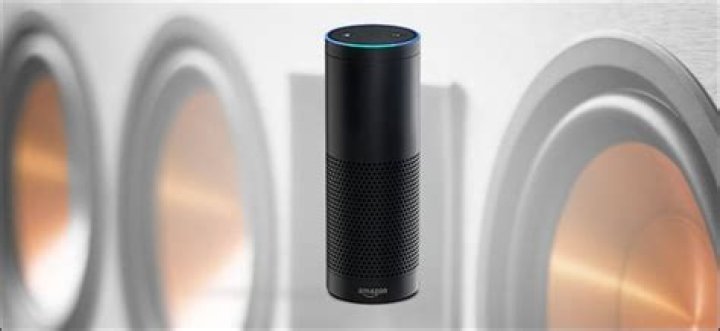
Although both the full size Echo and the Echo Dot have respectable sound for their given sizes, compared to much bigger tabletop Bluetooth speakers (or a full home theater system with Bluetooth support), they’re pretty anemic. Let’s look at how you can link them to bigger and more robust speakers.
What You Need for Bluetooth Pairing
This is not a tutorial on how to use Bluetooth to send music to your Echo (e.g. to play music from your phone)—this is a tutorial on how to send the audio from the Echo to bigger speakers. If you’re interested in using your Echo as a Bluetooth speaker, please check out our tutorial here instead.
To achieve an Echo-to-speaker configuration, you’ll need a few things. First, you’ll need the Echo device (obviously). Second, you’ll need some sort of Bluetooth speaker system to connect to it. Although your speaker choice can be as simple and compact as a beefy tabletop Bluetooth unit (like the Nyne Bass we showcased in our guide to buying a portable Bluetooth speaker), truly anything that offers Bluetooth connectivity and good speakers is a potential candidate.
If you have a sound bar with Bluetooth connectivity, for example—a feature we highlighted in our sound bar buying guide—you can link your Echo to your sound bar. In fact, even if you have an old but still great sounding test of floor speakers, you can connect your Echo to them via Bluetooth with a simple Bluetooth-to-analog adapter, like the one we use in our guide to adding Bluetooth headphones to your HDTV. It’s worth noting, however, that the Echo Dot has a physical audio out jack, whereas the full size Echo does not—if you’re happy putting the Echo Dot right near the speakers and want to skip jumping through the Bluetooth hoop, you can simply use a male-to-male 3.5mm headphone cable to link the Dot to your speakers. (This will result in better quality, too, as Bluetooth does sadly degrade audio quality somewhat.) Full-size Echo users must use Bluetooth.
How to Pair Your Echo Device and Bluetooth Speakers
Once you’ve decided on your speaker setup (which is, by far, the most time consuming part) it’s onto the easy part: pairing your Echo device to those speakers. Plug in your speakers and/or the additional Bluetooth adapter, if present. Plug in your Echo device nearby (anywhere in the general vicinity is fine, Bluetooth has a range of around 30 feet). Grab whatever device you normally use to access your Echo’s settings (e.g. your iPhone with the Alexa app installed or your laptop with alexa.amazon.com loaded in the web browser).
First, put your Bluetooth speaker or adapter into pairing mode. This is different depending on your particular device, so consult the user manual or Google the model number to check the instructions.
Second, access the Alexa control panel via your phone or a web browser. Click on Settings and then select the Echo device you wish to pair from the “Devices” list.
In the first subsection, labeled “Wireless”, click on “Bluetooth”.
Here you will see any previously paired devices, including any devices you’ve paired to the Echo in order to use the Echo as a Bluetooth speaker (like the “iPhone” entry seen below). To pair a new device, click on the blue “Pair a New Device” button.
Now is the time to put your Bluetooth speaker in pairing mode. Your speaker should appear in the list of available devices, as seen below—click on it. If your device doesn’t immediately appear, make sure a device you’ve previously paired with your speaker (like your iPhone) has Bluetooth turned off—many devices will immediately reconnect to any nearby previously paired device is possible, skipping the pairing mode altogether.
After you’ve selected your speaker, you’ll see the speaker listed in the Bluetooth devices.
Make a mental note of what the speaker or adapter is called. That way, if your Echo disconnects for some reason you can always give it a verbal instruction to reconnect to a nearby and previously paired Bluetooth device by saying “Alexa, connect to Nyne Bass” (or whatever your speaker is called).
Placing Your Echo Device After Pairing
Once the pairing process is complete, your actual Echo unit still acts as the input for all commands but the output will come from the paired speakers. The nice thing about Bluetooth is that it allows you to put the Echo device practically anywhere within the roughly 30 foot range Bluetooth affords. This means if the speakers are in the den next to your kitchen, but 90% of the time you’re in the kitchen issuing commands to Alexa while you’re preparing meals or eating breakfast, then you can easily place the Echo in the kitchen where Alexa can hear you clearly.
Although Amazon recommends you put at least 3 feet of space between the speakers and the Echo device (because very close proximity can make it difficult, while audio is pumping out of the speakers, for the microphone array to properly pick up your voice commands) we found that their concern was a bit overblown. As long as you don’t set the Echo directly in front of a pair of cranked up speakers, there’s little concern. Place the Echo device where it makes most sense for your daily usage and as long as it’s not sitting right in front of the speakers or getting rattled around perched a top your subwoofer then things should work just fine.
Jason Fitzpatrick is the Senior Smart Home Editor at How-To Geek. He has over a decade of experience in publishing and has authored thousands of articles at How-To Geek, Review Geek, LifeSavvy, and Lifehacker. Jason served as Lifehacker’s Weekend Editor before he joined How-To Geek. Read more.
Although both the full size Echo and the Echo Dot have respectable sound for their given sizes, compared to much bigger tabletop Bluetooth speakers (or a full home theater system with Bluetooth support), they’re pretty anemic. Let’s look at how you can link them to bigger and more robust speakers.
What You Need for Bluetooth Pairing
This is not a tutorial on how to use Bluetooth to send music to your Echo (e.g. to play music from your phone)—this is a tutorial on how to send the audio from the Echo to bigger speakers. If you’re interested in using your Echo as a Bluetooth speaker, please check out our tutorial here instead.
To achieve an Echo-to-speaker configuration, you’ll need a few things. First, you’ll need the Echo device (obviously). Second, you’ll need some sort of Bluetooth speaker system to connect to it. Although your speaker choice can be as simple and compact as a beefy tabletop Bluetooth unit (like the Nyne Bass we showcased in our guide to buying a portable Bluetooth speaker), truly anything that offers Bluetooth connectivity and good speakers is a potential candidate.
If you have a sound bar with Bluetooth connectivity, for example—a feature we highlighted in our sound bar buying guide—you can link your Echo to your sound bar. In fact, even if you have an old but still great sounding test of floor speakers, you can connect your Echo to them via Bluetooth with a simple Bluetooth-to-analog adapter, like the one we use in our guide to adding Bluetooth headphones to your HDTV. It’s worth noting, however, that the Echo Dot has a physical audio out jack, whereas the full size Echo does not—if you’re happy putting the Echo Dot right near the speakers and want to skip jumping through the Bluetooth hoop, you can simply use a male-to-male 3.5mm headphone cable to link the Dot to your speakers. (This will result in better quality, too, as Bluetooth does sadly degrade audio quality somewhat.) Full-size Echo users must use Bluetooth.
How to Pair Your Echo Device and Bluetooth Speakers
Once you’ve decided on your speaker setup (which is, by far, the most time consuming part) it’s onto the easy part: pairing your Echo device to those speakers. Plug in your speakers and/or the additional Bluetooth adapter, if present. Plug in your Echo device nearby (anywhere in the general vicinity is fine, Bluetooth has a range of around 30 feet). Grab whatever device you normally use to access your Echo’s settings (e.g. your iPhone with the Alexa app installed or your laptop with alexa.amazon.com loaded in the web browser).
First, put your Bluetooth speaker or adapter into pairing mode. This is different depending on your particular device, so consult the user manual or Google the model number to check the instructions.
Second, access the Alexa control panel via your phone or a web browser. Click on Settings and then select the Echo device you wish to pair from the “Devices” list.
In the first subsection, labeled “Wireless”, click on “Bluetooth”.
Here you will see any previously paired devices, including any devices you’ve paired to the Echo in order to use the Echo as a Bluetooth speaker (like the “iPhone” entry seen below). To pair a new device, click on the blue “Pair a New Device” button.
Now is the time to put your Bluetooth speaker in pairing mode. Your speaker should appear in the list of available devices, as seen below—click on it. If your device doesn’t immediately appear, make sure a device you’ve previously paired with your speaker (like your iPhone) has Bluetooth turned off—many devices will immediately reconnect to any nearby previously paired device is possible, skipping the pairing mode altogether.
After you’ve selected your speaker, you’ll see the speaker listed in the Bluetooth devices.
Make a mental note of what the speaker or adapter is called. That way, if your Echo disconnects for some reason you can always give it a verbal instruction to reconnect to a nearby and previously paired Bluetooth device by saying “Alexa, connect to Nyne Bass” (or whatever your speaker is called).
Placing Your Echo Device After Pairing
Once the pairing process is complete, your actual Echo unit still acts as the input for all commands but the output will come from the paired speakers. The nice thing about Bluetooth is that it allows you to put the Echo device practically anywhere within the roughly 30 foot range Bluetooth affords. This means if the speakers are in the den next to your kitchen, but 90% of the time you’re in the kitchen issuing commands to Alexa while you’re preparing meals or eating breakfast, then you can easily place the Echo in the kitchen where Alexa can hear you clearly.
Although Amazon recommends you put at least 3 feet of space between the speakers and the Echo device (because very close proximity can make it difficult, while audio is pumping out of the speakers, for the microphone array to properly pick up your voice commands) we found that their concern was a bit overblown. As long as you don’t set the Echo directly in front of a pair of cranked up speakers, there’s little concern. Place the Echo device where it makes most sense for your daily usage and as long as it’s not sitting right in front of the speakers or getting rattled around perched a top your subwoofer then things should work just fine.
The Echo Show 5 has a built-in speaker that works just fine for casual listening and calls. But if you’re somewhat of an audiophile, you’ll find the built-in speaker lacks the power and soundstage to put a smile on your face.
Pairing an auxiliary Bluetooth speaker is the best way to get more oomph from the Echo Show 5. The only downside: you only get to pair one Bluetooth device at a time. However, this is something that might be fixed with a future update. Keep on reading to find out more about different pairing methods.
Before You Start
The Bluetooth speaker and your Echo Show should be three or more feet apart. Also, it’s best to get a speaker that’s Echo-certified.
For example, the device supports most models from JBL, Bose, Bang & Olufsen, Sony, Harman Kardon, and Onkyo, to name but a few. As for the Bluetooth profiles, the Echo Show supports Advanced Audio Distribution Profile (A2DP) and Audio/Video Remote Control Profile (AVRCP).
Once you have the right speaker, power it on and turn the volume up (and don’t forget to disconnect all other Bluetooth devices from the Echo Show 5). Now, both gadgets are ready for pairing.
Note: Supported speaker models and Bluetooth compatibility apply to Echo Show 5 and most other devices from the Amazon Echo series.
Pairing the Speaker – The Easy Way
The quickest and easiest way to pair a speaker is to take advantage of the voice controls. Say “Alexa, pair” or “Alexa, Bluetooth”, commands that puts the Echo in pairing mode. To confirm, the AI responds by saying: “Searching”.
Now, you need to initiate the pairing on the speaker. Usually, there’s a physical button on the speaker that features a Bluetooth icon or just says “Pair”. After pressing the designated button, the Echo Show 5 should be able to discover and connect to the speaker . You might need to issue a verbal command to confirm this. If Alexa fails to connect your Echo to the speaker, you’ll hear a reminder to enable Bluetooth.
Pairing via the Alexa App
Using the Alexa app isn’t more difficult, but there are more actions and menus to navigate. Of course, these explanations assume that you’ve installed and signed into the Alexa app.
Launch the app and select Devices; it’s located at the bottom right of the screen. Tap the plus icon and choose Add Device/Set up a new device, then set your speaker to the paring mode. Select Speaker within the Alexa app and choose the brand, then the speaker model from the available suggestions. When that’s done, Alexa tells you the connection has been successful.
Voice Controls Tips and Tricks
Alexa-supported third-party speakers can be voice-controlled via their proprietary app, but you can only play Amazon Music. If you wish to stream from Apple Music, Spotify, or Pandora, an Echo-branded speaker is needed.
Luckily, there are some exceptions like the Megaboom, UE Boom 2, and Sonos. The latter provides support for Pandora, Spotify, TuneIn Radio, Deezer, and more. The UE Boom 2 and Megaboom have the “Say it to Play it” feature to access voice commands and virtual assistant on Android and iOS devices. This option also allows you to stream from different services.
With proprietary speaker apps, the option to add Amazon Alexa is usually under Add Voice Control. You’re also required to log into the Amazon account and link the preferred streaming services.
How to Disconnect a Bluetooth Speaker
There’s no exact science to disconnecting a Bluetooth speaker from your Echo. The easy way is to say: “Alexa, disconnect” or you can use the Echo Show Settings menu.
Swipe down on the Echo Show screen to reveal the main menu and select Settings. Choose Bluetooth and tap the “i” icon to access information about the connected devices, hit Disconnect, and you’re good to go.
The same menu features the “Forget Device” option, if you tap on it the action entirely removes the speaker from the Bluetooth menu. When you want to reconnect to the same speaker, you’ll need to pair the two devices again.
Note: The same actions apply to any other Bluetooth device you pair with the Echo Show.
How to Connect to Bluetooth Headphones
It’s not hard to guess that the same actions are required to pair Bluetooth headphones. To recap, you can use Alexa commands and complete the set-up verbally or use the Settings menu. Either way, the headphones need to be powered on and you should increase the volume.
Once the system discovers the headphones, confirm the pairing by selecting the headphones from the on-screen menu or say: “Alexa, pair + the name of the headphones”. To disconnect, you use the same method as described in the previous paragraph.
Neat Trick: If you want to quickly switch to the built-in Echo speaker, turn off your headphones and the audio gets automatically routed to the device.
Cut the Cord
Whichever way you look at it, connecting the Echo Show 5 to a Bluetooth speaker is super simple. The easiest way to do it is to take advantage of the Alexa voice commands. The only drawback is that you get to connect only one Bluetooth device at a time.
What Bluetooth speaker do you use? Did you have any trouble connecting it to your Echo Show? Share your thoughts with the rest of TechJunkie community in the comments section below.
Echo speakers from Amazon are best known for the Alexa voice assistant on offer. However, it needs WiFi to work, which may disappoint users who have Echo Dot or other Echo speakers but not an active WiFi connection. Thankfully, all Echo devices come with Bluetooth functionality which you can use to play music or audio from your phone. Here’s how you can use your Echo Alexa device as a Bluetooth speaker without WiFi or internet. Read on.
Use Alexa Echo Device as a Bluetooth Speaker Without WiFi or Internet
Table of Contents
So, you bought a new Amazon Echo device but didn’t have an active WiFi connection at the moment? Or has your WiFi plan expired yet you want to use Alexa to play music over Bluetooth? Do not worry; here’s everything right, from setting up Alexa from scratch to pairing it to your phone’s Bluetooth.
Before we start, if you have already paired your Echo device with your phone’s Bluetooth, then you do not need these steps. Turn it on, and it will automatically connect to your phone’s Bluetooth. If not, connect manually from the phone’s Bluetooth menu.
Step 1- Enable Phone’s WiFi Hotspot
- To start with, enable the WiFi hotspot on your phone.
- On Android, you can enable it in Settings >WiFi & Network >WiFi Hotspot.
- iPhone users, on the other hand, can turn on the hotspot from Settings >Personal Hotspot.
Step 2- Plugin and Setup the Echo Alexa Device
- Now, plugin your Alexa Echo device to a power source.
- Install and open the Alexa app on your phone.
- Sign in with your Amazon account if not already.
- Click on More >Add Device.
After the device is set up, say Alexa to ensure it’s up and working.
Step 3- Pair Alexa to Your Phone’s Bluetooth
- Open Settings on your iPhone or Android phone.
- Go to Bluetooth and turn it on.
- Now, say, “Alexa, pair” or “Alexa, connect to Bluetooth.”
- On your phone, click on Pair New Device. Let it scan for available devices.
- Look for the Echo device in the list of available devices.
- Tap your Echo device to connect it to your phone.
Alexa will say “Playing from
” to notify that it’s connected to your phone.
Step 4- Turn Off the Hotspot, Use Alexa Without WiFi
Now that Alexa is successfully paired with your phone’s Bluetooth, you can disable your phone’s WiFi hotspot. The Echo device will keep paired with your phone to play music over Bluetooth. Once you’re done, you can disconnect it from your phone’s Bluetooth settings.
The Echo device will automatically connect to your phone every time you turn it on, even if it’s not connected to WiFi. If it doesn’t, simply open Bluetooth settings on your phone and tap your Echo from the list of paired devices.
Can You Use Echo Dot As a Wired Speaker With Your Phone?
All Echo devices come with AUX ports to connect external speakers. However, Echo Dot, Spot, Show, and Auto do not have aux inputs. Only the Echo 3rd gen, Echo Plus, and Echo Studio have aux inputs.
This means while you can connect it to external speakers, you cannot use your phone to play audio via AUX cable on your Echo Dot or other incompatible Echo devices. I tried doing so with my Echo Dot, and it did not work for obvious reasons.
Can Alexa Work Without Power?
The Amazon Echo devices need to be plugged into a wall outlet all the time. Without power, the Alexa device will not switch on or work. However, you do have some options to use Alexa devices without power.
Amazon sells a portable version called Echo Input which comes with a built-in 4800mAh battery to listen to music. But if you already have an Echo or Echo Dot, you can use portable third-party battery bases available on Amazon to run Echo on battery.
Again, you’d need WiFi to make use of Alexa (unless you want to use it only as a Bluetooth speaker). In that case, you can connect it to your phone’s WiFi hotspot. If power cuts are the reason, you can get a mini UPS for your WiFi router. Links are given below.
- Battery Base for Echo
- Battery Base for Echo Dot 3rd Gen/ Echo Dot 4th Gen
- Mini UPS for WiFi Routers on Amazon India/ USA
Wrapping Up- Use Alexa As a Bluetooth Speaker
This was a quick guide on how you can use your Echo Alexa device as a Bluetooth speaker for your phone without WiFi or an internet connection. I hope this helps you use your Echo speaker to enjoy music when you do not have active WiFi connectivity. Anyways, let me know your thoughts in the comments below. Stay tuned for more.
You can also follow us for instant tech news at Google News or for tips and tricks, smartphones & gadgets reviews, join GadgetsToUse Telegram Group or for the latest review videos subscribe GadgetsToUse Youtube Channel.
Welcome!! So you have Amazon echo dot device and are looking for steps for how to put echo dot in pairing mode. Hurray, you are in the right place!
Echo dot is a new-gen device developed by Amazon. Since the release of its first and the most primitive version in the year 2014, it has been gaining widespread popularity. It’s equally advanced when compared to its counterparts like Google home and apple’s Siri. Over the years it has established itself and at an extremely quick pace. All these technologies will only and only grow with the evolving technology and modernization of human civilization.
What is Echo Dot?
The echo dot is a new-gen smart device that comes in a pocket-size. You can access Alexa through amazon echo. Alexa is nothing but the virtual assistant that comes along with the echo dot device. You can plugin your echo dot at any corner of your home. You can give Amazon Alexa commands through voice commands and also set the language to any language of your preference. Over the years Amazon has updated it’s Alexa and now Alexa is available in numerous European languages like French, Portuguese, Italian, Spanish, German. Since India is a dynamite sized market, Amazon doesn’t want to lose out on it. So Alexa has also been configured to speak and take commands in Hindi.
Is there any other way to give commands to your Amazon Echo device?
Another extremely convenient way of operating your Amazon echo device is simply by pairing it with your mobile or laptop device. You can basically use it as a speaker by controlling it from a distance through your mobile, laptop, or any other device.
Why is usin g Amazon Echo as a Bluetooth device more convenient?
Many times, giving commands to your Amazon echo through voice can be difficult. There may be an accent difference, hearing mistakes, speech difficulty, or some other reason. Alexa may perceive what you speak in an incorrect way, after all, it’s just a virtually intelligent system. This is when Bluetooth pairing becomes useful. You can simply control your Amazon echo device through your mobile phone. It is more convenient and hassle-free to use.
Today let us get insights on how to put echo dot in pairing mode with your mobile device or external Bluetooth device.
Pairing your Amazon echo to your mobile handset or your Bluetooth device is not really a tough task, however, given underneath is the step by step procedure for linking your external Bluetooth device and amazon echo.
- Turn on the power button of your Amazon echo dot speaker.
- On the mobile handset, you want to use for pairing with your amazon echo dot, open the Alexa app if you have it installed. If you have not installed it, you can head to the play store or app store and install it depending on the operating system of your phone. If you don’t wish to install it you can also go to the official web page of amazon Alexa.
- Choose the more option in at the bottom of your screen and then choose the settings option.
- Select device settings and then select the Amazon echo dot you want to pair.
- Click on Bluetooth.
- You can then see the list of the available Bluetooth devices, now click on the echo dot device which you’re interested to pair your mobile phone with.
Buy Amazon’s Bestseller echo dot by clicking here .
How to put echo dot in pairing mode with your iOS or Android-powered phone
- On your Android or iOS phone open the settings and then head to the Bluetooth pairing option. Do not forget to be in close proximity to your Amazon echo dot device.
- Say “Alexa pair” to your Amazon echo dot and make sure the device perceives your voice command.
- Once the Amazon echo dot has processed your voice command you will be able to see “your device name” in the available devices for pairing in the Bluetooth tab on your phone
- Click on the “your device name” on your phone and the pairing will be done.
Cheers! You have mastered the trick of how to put echo dot in pairing mode and so you can control your echo dot from your mobile phone via Bluetooth!
Click Here to buy latest Bluetooth Speakers.
Amazon Echo is certainly the most popular smart speakers in the United States. The built-in Alexa allows you to do a number of things in the comfort of your home easily and intuitively.
It’s also a pretty good speaker in itself. It isn’t going to drop an audiophile’s jaw but it will satisfy your everyday needs. If you want to fill your home with music when you have people over, you might want to connect it to a Bluetooth speaker.
Pairing Amazon Echo to a Bluetooth Speaker
A few years back, the only way you could enhance the Amazon Echo’s listening experience was through the affordable Echo Dot. This little speaker could deliver an improved listening experience if you happened to own a high quality Bluetooth speaker. Soon enough, Amazon released an update for the entire range.
Since a couple of years ago, users can connect their Echo devices to any Bluetooth speakers out there. This is pretty neat, seeing as how the Bluetooth speaker technology is on the rise these days. The tiniest devices are able to achieve superb audio quality.
Here’s how to pair your Amazon Echo with a Bluetooth speaker.
Connecting
Most modern soundbars are Bluetooth-enable but not all of them. Even then, there is a way around it if yours isn’t. For about $20, you can get a Bluetooth receiver that will allow you to connect your non-Bluetooth speakers to an Amazon Echo.
To begin, turn the Bluetooth speaker on and put it in pairing mode. If your speaker doesn’t feature Bluetooth, turn both the speaker and the receiver on. To proceed, you’re going to have to access Alexa. To do this, you either have to visit alexa.amazon.com on a web browser or download the Alexa app for your Android or iOS device.
In the menu towards the left, navigate to Settings and select this option. You’ll see the Devices menu that lists all available Alexa devices. Select the device that you wish to pair and then select Bluetooth and tap Pair a New Device. Under Available Speakers, you should find your Bluetooth. Be patient as it may take some time for it to appear. Once you see it on the list, select it. Your Bluetooth speaker and Alexa should notify you of a successful connection.
All audio sources to your Amazon Echo will now be played on your Bluetooth speaker. This goes for the music that you stream and also every Alexa action.
If you run into connectivity issues, restart both devices and reconnect them. It may also happen that your devices are disconnected. This happens with portable Bluetooth speakers when they have been idle for some time in an effort to conserve the battery. Turn the Bluetooth speaker back on and your Echo should connect to it automatically. If not, reconnect the two manually as described above.
If your devices won’t reconnect, go to the Alexa app and find the Bluetooth speaker and select Forget Device. Then, perform the pairing once again.
Disconnecting
If you want to disconnect a Bluetooth speaker from your Amazon Echo, go to the Bluetooth settings on your Echo/Alexa app. Then, expand the menu next to the connected speaker (arrow pointing downward) and select Disconnect. Alternatively, power it off to disconnect. With the latter, your Bluetooth speaker will likely connect to your Echo automatically when turned on in the vicinity.
Pairing a Bluetooth Speaker to Your Echo
As you can see, the pairing is fairly straightforward. Your Echo device should be able to connect to any Bluetooth speaker or receiver out there. This is a rather neat feature that may improve your Amazon Echo experience in the audio department.
What Bluetooth speaker have you paired with your Amazon Echo? How did it perform? Do you favor this feature? Be sure to check out the comments below if you have any questions or tips.
Get access to your computer with verbal cues
- Tweet
- Share
- Tweet
- Share
What To Know
- For Alexa on Windows, press Start >Alexa app >Get Started and sign in to Amazon.
- Echo on Win 10: Log in to Alexa >Settings > your Echo >Bluetooth >Pair. Open Bluetooth settings and connect.
- For Echo on Mac, log in to Alexa, select Settings > your Echo >Bluetooth >Pair, then connect via Bluetooth.
This article explains how to use Alexa with either your Windows 10 PC or Mac. If you have a Windows 10 or Windows 11 PC, you probably have the Alexa app for Windows 10. You can use it alone, or you can connect your Amazon Echo devices to your PC or Mac.
How to Set Up Alexa for PC
If you have the Alexa app for Windows (or obtain it down the road), you must set it up yourself to begin using it.
Select Start > Alexa.
Select Get Started when the setup screen appears.
Sign in to your Amazon account, or create a new account if you don’t have one.
Select Agree and Continue on the Terms and Conditions screen.
Select the settings you want, then select Finish Setup. If you’re not sure which settings you should choose, you can change these later.
After the initial login, Alexa is always ready on your computer.
To use Alexa for PC, start by saying the wake word (“Alexa,” “Ziggy,” “Computer,” “Echo,” or “Amazon”) followed by a command. Alternatively, select the Alexa on Windows icon to start the app.
Alexa for PC doesn’t support all the features available on Echo devices. For example, you might see your shopping list on your PC, but you can’t edit the list there. Instead, you must make changes through the Alexa app.
Use Alexa as Your Computer Speaker
If you have an Echo device and your computer is Bluetooth-enabled, you can pair them and use your Alexa device as a speaker for your computer.
How to Pair a Windows PC With an Echo
It only takes a few steps to pair an Amazon Echo with a Windows PC.
Log in to your Alexa account by going to alexa.amazon.com.
Select Settings in the left pane, then choose your Echo in the list of devices.
Select Bluetooth.
Make sure Bluetooth is enabled and your computer is discoverable. Your Echo device must also be turned on and connected to the internet.
Select Pair a New Device. Alexa searches for available devices.
Type Bluetooth in the Windows Search box (it may be in the Start menu) and select Bluetooth and other devices settings.
Select Add Bluetooth or other devices.
Choose Bluetooth.
Select your Echo in the list of devices.
Select Done on the confirmation screen. Your computer is now connected to your Echo as a speaker.
In your web browser, select the Back button to return to the Bluetooth settings page. You should see your laptop listed under Bluetooth Devices.
How to Pair an Echo With a Mac
Pairing an Amazon Echo with a Mac is similar to pairing it on to a PC.
Log in to your Alexa account by going to alexa.amazon.com.
Select Settings in the left pane, then choose your Echo in the list of devices.
Select Bluetooth.
Select Pair a New Device; Alexa searches for available devices.
Select Apple menu > System Preferences.
Select Bluetooth.
In the Devices list, select Connect next to your Echo.
In your web browser, select the Back button to return to the Bluetooth settings page. You should see your laptop listed under Bluetooth Devices.
To set your Echo as the default speaker, go to Apple menu > System Preferences > Sound > Output, then choose your Echo in the list of devices.
Turn On Your PC Using Alexa
While you cannot turn on a powered-down computer with an Alexa-enabled device, you can wake your sleeping or hibernating Windows PC. To do so, you need to set up the Wake on LAN (WoL) Alexa skill.
Change your computer’s name to something easy to say like “My PC.” Make sure none of your other connected devices have the same name.
Get the Wake on LAN skill from Amazon and enable it on your Alexa device.
Go to and log in with your Amazon account.
Enter your computer’s name and MAC address, then select Add.
To find your computer’s MAC address, open the command prompt and enter ipconfig /all. Look for the Physical address.
When your computer is in rest mode, say “Alexa, turn on device name” to wake up your device.
To connect an Echo and Alexa to Wi-Fi, open the Alexa app and go to Menu > Add Device. Choose your Echo device and model and plug it into a power source. When the device is ready, tap Continue. Follow the prompts to connect the Echo to your phone, and then select the network you want to pair with your Echo.
To pair an Echo Dot to a Bluetooth device, put your Echo Dot into pairing mode via the Alexa app or a voice command. Next, turn on Bluetooth on your smartphone, open the Alexa app, tap Devices > Echo & Alexa, and select your Echo Dot. Tap Pair a New Device, and select the device you want to connect to Echo Dot.
To connect an Echo Dot to an iPhone, set up your Echo Dot and then open Settings on your iPhone, tap Bluetooth, and turn on Bluetooth. Wait for the Echo Dot to show up in My Devices or Other Devices, and then tap it. Your iPhone will connect to your Echo Dot via Bluetooth.
Whenever it comes to user-friendly experiences, Echo Dot gets the best gaze. From building a smart home to make and receive calls whenever you want, the voice command service of Echo Dot has no competition.
But do you know you can use it as a speaker with AUX? Yes, you can. Do you want to know how to use Echo Dot as a Speaker with AUX? Check it out!
Amazon Echo Dot AUX Input Automatic
- First of all, you have to get your hands on the right cord. Well, if you are interested to use the AUX input on the Amazon Alexa, you have to pick up the accurate cord. Here, certify that your hands are on the 3.5mm AUX cord. This is the Amazon cord or AUX cable.
- Once you get the cord, it’s time to add it to the device. Go through the end of the cord and add it to the compatible Echo device. When you are done with one end, you have to move to the other end of the cord.
Hold this end of the cord and add it to the audio output device. Check if both ends are connected properly or not.
- When both ends are connected in the right manner, you can easily go through the audio of your device and switch it on. Play the music you want and enjoy dancing to the music!
Amazon Echo Dot AUX Input Manual
There are chances that the audio will not start playing from your Alexa device. If it doesn’t work automatically, you have to work manually at times. In this case, you need to reach out to the output sources on your audio output device.
From there, all you need is to select the output source and then go for it! Get into the Sound Settings on the audio output device first. There, you have to check out the appropriate AUX output source and then make it work!
- For this, your first job is to get into Alexa App on your smartphone. Once you get in, there, you will see an option called Devices. Tap this one and get in.
- Once you are already in, search for the option Connected Devices. You might need to scroll a bit to get this one. After you have found the Connected Devices, check out the device list. In the list of devices, you will see the AUX Audio listed there,
- After you get the AUX Audio, tap on it. It will take you to another two options, one called Line In and the other one Line Out. From this list of two, you have to get your fingers on Line Out and tap it. You have already connected the Echo Dot with the audio device.
Now, it will work as a speaker and you can play audio or any music on your device and the Echo speaker will play it for you!
Amazon Echo Dot AUX Output
Well, if you are new to Amazon Echo dot, you might not know about the AUX output service of the device.
All the Echo devices including the Echo Dot also come with the facility of AUX output facility. We mentioned it because some of the Echo Dot devices do not have the AUX-in facility.
But the best part is, even those devices can work with AUX output easily! With this one, you are free to use the device, add it to the external speaker, and listen to good music or audio.
FAQs on Echo Dot and AUX Speaker
How do I connect Echo Dot to car AUX?
To connect the Echo Dot to AUX, all you need is to plug in the get the AUX cable and connect both the ends with the devices. One goes for the car’s auxiliary port and the other end into the Echo Dot’s port. When they are ready, you have to turn on the car first. After this, set the stereo’s input to AUX. Check the Bluetooth of your phone and go through the Alexa app. There, all you need is to select the Amazon Echo and you are ready to play music!
Can I use Echo Dot as a wired speaker?
Yes, you can easily connect Echo Dot with wired speakers. The speakers that are compatible with Echo Dot can easily be added to it with the jack. You don’t need Bluetooth for it! However, if the jack is not compatible or the device you are adding isn’t compatible with Echo Dot, it won’t work.
Can you use Alexa as a speaker without Wi-Fi?
Yes, you can switch to Bluetooth if you do not want to connect the Alexa with Wi-Fi. All you need is to pair the appliance with the Bluetooth-enabled device. Get the smartphone, switch on the Bluetooth and start searching for the device. From the available Bluetooth device list, pick up the Alexa or Amazon Echo. Connect it and you’re ready! Feel free to enjoy the calls, music, and much more!
How To Use You Amazon Echo As A PC Speaker
Wrap Up
So, now you know how you can use Echo Dot as a speaker with AUX! As Amazon Echo Dot has come up with so many Echo devices, it sometimes gets tough to understand which device work with which one.
And to ensure if things work the same way or not, check the generation of the Echo Dot along with the compatibility of the appliance.
Benefits
- Wireless Speaker Connectivity For Your Phone
- Quality Wireless Speakers For Easy Listening
- Bluetooth Wireless Speaker Sound Quality
- Compare to Other Wireless Systems?’>How Does the Cost of Audioengine Speakers
Compare to Other Wireless Systems? - Is Wireless Audio Quality Any Good?
- Bluetooth Receiver Hacks
- 3 Ways Bluetooth Music Receiver Will Change Your Life
- What is Noisefloor?
- The Best Speakers And How They Make You Feel
- Top 3 Considerations When Buying Wireless Speakers
- Simplify Your Music
- WiFi vs Bluetooth
- Two Speakers are Better Than One
- Cure for Musical Paralysis
- Our Speakers Won’t Spy On You
- Audioengine Works With Tidal
- Audioengine works with Spotify and Pandora
- Can Alexa Connect to Bluetooth Speakers?
- Connecting Google Home to Bluetooth Speakers
- What Is Audio Compression (And Why Should You Care)?
- Record Store Day: The Brain Child of a Record Store Clerk
- How Do Materials Make a Difference in Speaker Construction?
- Music Services With High Quality Audio
- Can a Headphone Amplifier Make Cheap Earbuds Sound Better? An Expert Explains
How to Guides
- An Introduction to: Quality Computer Speakers
- An Introduction to: Wireless Stereo Speakers
- An Introduction to: Wireless Home Speakers
- How To Use Wireless Bluetooth Speaker Systems
- Without Reading This’>Don’t Buy a Wireless Music System
Without Reading This - How to Connect a Turntable to Audioengine Speakers
- How to Stream Music from my Phone to my Stereo?
- Speaker Setup – How to break in new speakers.
- 6 Simple Wireless Speaker Shopping Tips
- Which Speakers are Best for You?
- Building the Ultimate Audio System
- Do I have Bluetooth aptX HD?
- Can Alexa Connect to Bluetooth Speakers?
- Connecting Google Home to Bluetooth Speakers
- How Does Wireless Surround Sound Work?
Product Overview
- HD3 Wireless Speakers
- Best Bluetooth Speaker for iPhone
- HD6 Wireless Speakers Reviews
- What is Audioengine?
- Wireless Speaker Reviews are In
- Bluetooth Audio and Codecs
- Bluetooth Receiver vs. Wireless Speakers
- Best Gaming Speakers
- Which Speakers are Best for You?
- HD4 Home Music System w/ Bluetooth aptX-HD
Setups
- How Do Wireless Speakers Work With Your Devices?
- What is a Soundstage?
- Best Bluetooth Speaker for iPhone
- Tiny Living. Big Sound.
- Record Store Day: The Brain Child of a Record Store Clerk
Can Alexa Connect to Bluetooth Speakers?
Remember how in old science fiction movies a character could just talk out loud to a spaceship and it would do anything they commanded?
The idea of voice control technology has long been embedded in our expectations for the “future,” and even though most of those old science fiction movie-makers couldn’t imagine computers any further-advanced than those already available in 1979, they certainly hit the nail on the head with their forecast of voice control. Nowadays, with the help of products like Amazon Echo (and its voice-controlled personal assistant ‘Alexa’), users can control aspects of their home just by verbalizing simple commands. But even with the huge strides this technology has made in recent years, it’s impossible to get audiophile-quality sound from the speakers in an Amazon Echo product. Audioengine can help with this, but before we dive into how, let’s talk a little more about the Amazon Echo.
First, while Echo and Alexa do in fact go hand-in-hand, they are not the exact same thing.
Echo is a line of smart speakers manufactured by Amazon, and Alexa is an intelligent personal assistant software used to control Echo. Users can speak aloud to give Alexa, and therefore Echo, verbal commands (always beginning with the wake word, ‘Alexa’) such as, “Alexa, play my favorite song,” or “Alexa, what’s on my calendar this Saturday?” Alexa will respond accordingly, so long as the questions asked or commands given are within Alexa’s realm of capability. With tons of Echo-compatible add-on products on the market, there really isn’t a whole lot that falls outside of Alexa’s wheelhouse.
The most common commands Alexa handles are music-related: whether it’s calling up a Spotify playlist, turning up or down the volume, or finding a specific song you haven’t heard in years but are randomly thinking about and absolutely have to hear right this second!! The accessibility is astounding, no doubt, but its main consequence is that you are forced to listen to all your music on Echo’s built-in speakers instead of your own beastly audio system. This is not to say Amazon has ignored their sound quality altogether, but realistically there’s only so much a single speaker housing of that size can handle. Suffice it to say, there are limitations.
Luckily, Amazon has implemented a crucial feature which expands its functionality to accommodate customers who want to be able to interact with Alexa and still enjoy listening to podcasts, music, and stock tips through exterior systems. That’s right, it’s quick and easy to connect your Echo to Bluetooth speakers:
- Open the Alexa App (Apple link | Google Play Link)
- Tap the “Devices” icon and select the Echo device you want to connect to speakers
- Select “Bluetooth Devices”
- Select “Pair New Device”
- Find your Audioengine Wireless speaker on the list of available Bluetooth devices
Bang, you’re done!
Now you can treat Alexa as if it were any other input device; you can still have whatever other devices you so choose connected to your Audioengine speakers, and since Alexa can control Echo’s volume with a simple, “Alexa turn down volume,” you can leave Audioengine’s volume knob exactly where you like it and adjust volume accordingly with Alexa. If you have our S8 Powered Subwoofer connected wirelessly to your mains, this configuration will still work which means you’ll get full-spectrum high fidelity audio when listening to all your favorite songs, without sacrificing the unparalleled convenience provided by a product like Amazon Echo. This will also work with our standalone B1 Bluetooth Music Receiver in the event you have a set of wired speakers you want to turn into wireless speakers.
Modern technology is really opening up doors… and windows… and exhaust fans… it’s basically blasting the roof off the whole place.
We are reaching the point where we can do just about anything we want with voice control technology, as long as we have all the right accouterments. Products like Amazon Echo make life so easy it hurts… perhaps it hurts so good that you want to lie down and say, “Alexa, play ‘Hurts So Good’ by John Mellencamp.” Don’t worry – we designed Audioengine Wireless speakers to do the rest.
Connect more than one Bluetooth speakers to Echo Dot or other Echo devices to listen music or other types of audio seamlessly in multiple rooms at your home.
Amazon is dominating voice-controlled device industry with 70% of market share. The software and hardware capabilities of Echo devices are continuously improved. Alexa has already become a part of daily routines for many of us.
With the recent developments, Echo devices now can play an audio seamlessly. It means, you are able to continue listening the same song or podcast when you go to one from another in your home.
Here is the challenge: What if you have only one Echo device but you want to hear audio from more than one speakers? It is possible with a additional device called “Bluetooth transmitter”.
Here is what you need:
- 1 Echo device (obviously)
- More than 1 Bluetooth speakers
- Bluetooth transmitter
Watch the video below for a quick demo.
Here is the device mentioned in the video (bluetooth transmitter):
Steps to connect more than one Bluetooth speakers to Echo Dot
- Remove all bluetooth speakers from Alexa app (use app or alexa.amazon.com)
- Connect the bluetooth speaker to Echo by using auxiliary audio cable
- Sync your bluetooth speakers with the transmitter (follow transmitter’s instructions)
- Play music and enjoy!
Thinking about controlling your lights and TV through Alexa? Check this post out.
Posted on Last updated: February 24, 2022
Whether you’ve had yours for a while or it’s a new device, Echo Dots are popular smart home devices that come with Alexa and are made by Amazon—but they do lack in sound power. To amp up your Echo Dot’s sound, it’s a great idea to connect it to your soundbar for a higher quality sound experience.
To connect an Echo Dot to a soundbar, you can pair the devices over Bluetooth or connect them with an AUX (3.5mm) cable. Both connection types are simple and straightforward, and only take a few minutes to set up.
Once you connect your Echo Dot to your soundbar, you can enjoy hands-free music, audiobooks, alarms, information, and more with a robust set of speakers. What could be better?
Different Methods for Connecting an Echo Dot to a Soundbar
When it comes to connecting your Echo Dot to your soundbar, there are two options: wired or wireless. If you want to make a wireless connection, you’ll want to use Bluetooth via WiFi. If you want to have a wired connection, you can use an AUX (3.5mm) cable.
These are the most common ways to connect your Echo Dot and your soundbar, and most soundbars are compatible with, coming with either Bluetooth, an AUX Out port, or both.
How to Connect via Bluetooth
The Echo Dot can use a Bluetooth connection to pair with your soundbar, as long as your soundbar is Bluetooth-enabled. Most soundbars are, so this is an easy way to connect your Echo Dot to your soundbar. Here’s how to get started:
- Make sure your Dot is set up properly and connected to your home WiFi network
- Put your soundbar in Bluetooth pairing mode
- Open the Amazon Alexa app on your smartphone
- Navigate to ‘Main Menu’, and then ‘Settings’
- Select ‘Device Settings’
- Select your Echo Dot by name
- Select ‘Bluetooth’, which will bring up any current pairings
- Select ‘Pair A New Device’, and you will see your soundbar appear
- Select your soundbar to pair it
Once this is finished, your Echo Dot and your soundbar will be connected wirelessly through Bluetooth. Your soundbar will be your Echo Dot’s speaker as long as it is on and as long as both devices are connected to your network.
If for some reason you want to disconnect your soundbar and your Dot’s Bluetooth wireless connection, you will follow the same process:
- Open the Amazon Alexa app on your phone
- Navigate to ‘Main Menu’, and then ‘Settings’
- Navigate to ‘Your Devices’
- Select your Echo Dot by name
- Select ‘Bluetooth’, which will bring up your current pairings
- Remove your soundbar by selecting it, then clicking ‘Forget Device’
This method can be used to remove the Bluetooth connection between your Echo Dot, as well as with any other device of yours.
How to Connect via AUX (3.5mm) Cable
Echo Dots can also be connected to your soundbar through an AUX (3.5mm) cable. This is because Dots are equipped with an AUX output port, and most soundbars have an AUX input. This is an easy, wired connection that is possible with a soundbar, as long as your soundbar and Dot are near one another (or you have a long AUX cable).
Here’s how to make your wired connection through an AUX cable:
- Get a 3.5mm AUX cord. Make sure it is a good length
- Open up your Amazon Alexa app on your smartphone
- Select ‘Devices’ from the Main Menu Settings
- Select your Dot by its name
- Select ‘AUX Audio’, then ‘Line In or Line Out’
- Connect your AUX cord to your Echo and your soundbar
Now you are connected through your AUX (3.5mm) cord, and any streaming or listening on your Echo Dot will come through your soundbar as long as both are powered on. If you ever want to listen to your Echo Dot through another device, simply disconnect the AUX cable from your soundbar.
What if the Soundbar Only Has a Digital Optical Input?
In some cases, like the higher-end Sonos Playbar (on Amazon) which is discussed more below, you may not have an AUX input on your soundbar, and if you want to make a wired connection, you may be wondering if you can use your soundbar’s digital optical input.
There is a big difference between AUX audio and digital optical audio, and it’s most ideal to stick to the same inputs when connecting devices. Trying to connect an AUX input to an optical audio input may result in a less-than-satisfactory audio experience.
Auxiliary inputs support an analog audio connection, and digital optical inputs support a digital audio connection. Digital and analog audio signals are completely different. In short, an analog signal is continuous, and a digital signal is non-continuous.
You may find that there are cables that can help you make this connection. However, your best bet is to just go with a Bluetooth connection instead. If you don’t have access to a Bluetooth connection, you could test out an AUX to optical digital cord, or you could find another speaker to connect with your Echo Dot.
Some Soundbars have Alexa Built-in
As Amazon Alexa has become more popular, many soundbars are now equipped with Alexa. Some soundbars say they are Alexa compatible, but some actually have Alex built-in. This means that you can access Amazon Alexa on your soundbar by itself, in addition to through your Echo Dot.
You can enjoy hands-free listening, streaming, watching, and more on soundbars with built-in Alexa. If this is something you’re interested in, here are a few top choices to look at on the market now.
Sonos Beam
Sonos creates some of the best soundbars on the market, and the Beam is a front-runner in the mid-range price point, which includes built-in Amazon Alexa. It is a compact soundbar, and it has a top-notch sound, which is what you can expect from Sonos. It is minimalistic and easy to use. Check out the Sonos Beam on Amazon.
And if you’re wondering if there are more reasonably priced options, rest assured that Sonos has multiple quality soundbars that we have an article comparing.
Yamaha YAS-209
Yamaha is also a leader in the soundbar market, and the Yamaha YAS-209 differentiates itself from the brand’s other soundbars through the addition of built-in Alexa voice control. Plus, the Yamaha YAS-209 comes with a wireless subwoofer for extra deep bass, and the ability to place it wherever you’d like.
It is a top choice in the mid-range price point, as well. It comes with DTS Virtual:X 3D surround sound, enhanced dialogue clarity, and more. Check out the Yamaha YAS-209 on Amazon.
Bose Soundbar 700
The Bose Soundbar 700 is a quality choice in the higher-end price point. It has both Alexa and Google Assistant built-in, and it comes with a wide range of capabilities. It has a slick design with two color options (white or black) and a high-performance sound, which includes supporting high-quality Dolby Digital and DTS audio.
Check out the Bose Soundbar 700 on Amazon. And if you’re intrigued by both the Sonos and Bose options, we have an article comparing them that you can review.
Conclusion
It’s easy to connect your Echo Dot to your soundbar, as long as you have an AUX input or a Bluetooth pairing option. You can improve the Echo Dot’s low-powered speaker with your high-powered soundbar speaker system, as long as they are both connected and powered on.