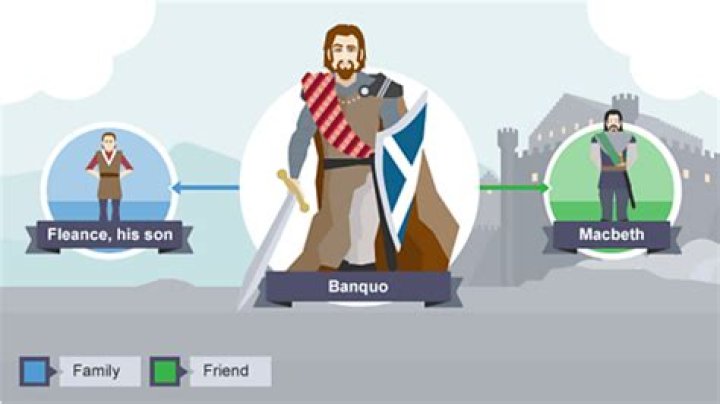
In Shakespeare’s renowned play, Macbeth, audiences are drawn into a tale of power, ambition, and betrayal as they follow the tragic arc of its titular character. A prominent aspect of the story is the relationship between Macbeth and Banquo, a friendship that ultimately descends into darkness as Macbeth succumbs to his own sinister desires.
But what drives Macbeth to commit the grievous act of murder against his once loyal friend? In this article, we delve into the motivations behind Macbeth’s decision to kill Banquo and how it reflects his overall character progression throughout the play.
The story of Macbeth begins with the three witches who prophesize that Macbeth shall become king, sparking an insatiable ambition within him. He rises to power through a series of treacherous acts, like killing King Duncan to seize the throne.
RelatedPosts
What’s Next for The Real Housewives of Potomac?
Johnny Flynn’s Diverse Acting Journey
The White Lotus Season 3: Exploring Life, Death, and Culture in Thailand
The Rise and Fall of Up All Night Explained
Integral to understanding Macbeth’s motivations for murdering Banquo is examining the witches’ prophecies that relate to both of them. Macbeth is told that he will become king, but it’s Banquo’s descendants who are destined to inherit the throne. This sinister forecast sets the stage for the rivalry and bitterness that culminates in Banquo’s murder.
Changing Dynamics: Macbeth and Banquo’s Relationship
Initially, Macbeth and Banquo are close friends and comrades, fighting side by side in battle. However, as Macbeth’s ambition swells, the dynamics between the two shift dramatically.
Macbeth becomes obsessed with consolidating his power and is tormented by the knowledge that Banquo’s descendants are prophesized to become kings. Banquo, on the other hand, remains an honorable figure, resisting the temptation that overtakes Macbeth and remaining loyal to the ideals of nobility and friendship.
As these contrasting qualities grow more evident, Macbeth begins to view Banquo as a threat to his rule. He not only fears Banquo’s possible claim to the throne but also becomes increasingly paranoid that Banquo suspects him of committing treason to attain the crown.
Banquo’s unwavering integrity ironically renders him a danger to Macbeth, prompting Macbeth to take drastic measures to eliminate him from the picture.
Historical and Cultural Context: Divine Right and Loyalty
Shakespeare’s Macbeth tackles the concept of divine right, prevalent during the early modern period, wherein a monarch is believed to hold their position as a result of God’s will. This idea is crucial to understanding Macbeth’s motivations, as his defiance of the divine right by killing Duncan and seizing the throne is driven by a dangerous ambition.
Betraying Banquo and ordering his murder signifies another step in Macbeth’s descent into moral corruption, as he further distances himself from the principles of divine right and loyalty.
Loyalty plays a critical role in Macbeth, influencing the decisions and actions of its characters. Macbeth’s deteriorating friendship with Banquo reflects his inability to remain loyal to his comrade and his obsession with power.
The importance of loyalty during Shakespeare’s time heightens the repercussions of Macbeth’s betrayal for the audience, presenting a narrative that vividly captures the dangers of forsaking honor and friendship in the pursuit of ambition.
Also Read: The Tragedy of Macbeth Filming Location: Where is The War/Drama Movie Filmed?
Betrayal and Ambition Themes In Macbeth
Betrayal and ambition form the backbone of Macbeth, as these themes intertwine with the characters’ relationships and their individual motivations. Macbeth’s longing for power leads him to betray Banquo, a decision he makes in a desperate attempt to preserve his own authority and secure his throne. His actions highlight the destructive potential of ambition when it is unchecked by morality or loyalty.
Macbeth’s decision to kill Banquo is driven by a sinister ambition that corrupts every aspect of his character. He betrays the friendship between him and Banquo, as he believes that eliminating him will be the only way to secure his power and fulfill the witch’s prophecies.
Through unraveling Macbeth’s motivations, we can better comprehend the tragedy of his downfall and explore themes like ambition and betrayal. The story continues to captivate audiences centuries after its debut, for it paints a vivid portrait of the consequences that ensue when moral values are sacrificed in pursuit of power.
Also Read: The Tragedy of Macbeth Ending Explained: What Happened with Macbeth?
ShareTweetSharePinSendPrevious PostThe Dark Mage’s Return to Enlistment Chapter 18: Release Date, Spoilers & Where To Read
Next PostGangs Of New York Ending Explained: Did Vallon’s Son Avenge His Father’s Death?
Alberto Zambrano
Alberto Zambrano is a Venezuelan writer with 10 years of experience in the field. He specializes in writing gossip and entertainment from streaming platforms like Netflix, Hulu, and Disney+.
Leave Comment